

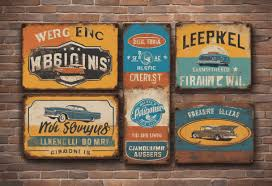
In an era dominated by rapid technological advancement and mass-produced goods, vintage signs emerge as enduring artifacts that encapsulate nostalgia and artistic craftsmanship. This article explores the timeless appeal of vintage signage within the contemporary collecting landscape, highlighting how these relics from the past resonate with collectors and enthusiasts alike. Vintage signs, often characterized by their unique designs, vibrant colors, and rich histories, serve not only as decorative elements but also as windows into bygone eras. They evoke a sense of authenticity and charm that modern reproductions often fail to replicate. As collectors seek to curate spaces that reflect their personal tastes and narratives, vintage signs offer a tangible connection to history, culture, and the evolution of advertising. Additionally, the growing interest in sustainable and eco-friendly practices has shifted the focus towards repurposing and valuing older items, making vintage signs a compelling choice for discerning collectors. This article will delve into the factors contributing to the resurgence of vintage signs, from their aesthetic merits to their investment potential, while considering their role in shaping a unique identity in both personal and commercial spaces. Through this exploration, we aim to uncover the significance of these signs in the modern collecting milieu.
– The History and Significance of Vintage Signs
Vintage signs have long served as captivating artifacts that reflect the cultural, economic, and artistic trends of their respective eras. Originating in the late 19th and early 20th centuries, these signs were often handcrafted and featured intricate designs, vibrant colors, and unique typography that catered to the advertising needs of businesses. They not only promoted products and services but also contributed to the visual landscape of American cities, creating a sense of place and identity. As a result, vintage signs have become valuable collectibles, sought after by enthusiasts for their nostalgic charm and historical significance.
The significance of vintage signs extends beyond mere aesthetics; they represent a bygone era of craftsmanship and creativity in advertising. Many vintage signs are associated with iconic brands and establishments, providing insight into the marketing strategies and consumer culture of their time. Collectors and historians alike recognize these signs as important artifacts that document social and economic changes, making them integral to understanding the evolution of American culture. As modern collectors seek to preserve these pieces of history, vintage signs continue to captivate audiences, serving as reminders of a simpler time while also enriching contemporary spaces with their character and story.
– Popular Styles and Trends in Collecting
increasingly gravitate towards specific styles and themes within the realm of vintage signs, often driven by a blend of personal taste and market trends. Among the most sought-after categories are neon signs, with their vibrant glow invoking a sense of nostalgia, and porcelain signs, prized for their durability and historical context. Additionally, the rise of social media platforms has allowed collectors to showcase their finds, fostering communities that celebrate particular brands, regions, or artistic styles. This digital engagement has not only heightened interest in vintage signs but has also led to a resurgence in the appreciation of obscure or lesser-known works that may have once been overlooked.
Furthermore, the growing trend of home decor that emphasizes retro aesthetics has increased the appeal of vintage signs, as individuals seek unique pieces to enhance their living spaces. Collectors often focus on signs that embody specific themes, such as Americana or roadside nostalgia, creating curated collections that evoke memories of the past. This intersection of personal expression and historical appreciation underscores the evolving landscape of collecting, where vintage signs are not just artifacts of advertising but also integral elements of contemporary design and cultural identity.
– Caring for and Displaying Vintage Signs
Proper care and display of vintage signs are crucial to preserving their integrity and enhancing their aesthetic value. When handling vintage signs, it’s important to wear gloves to avoid transferring oils or dirt from hands that could cause deterioration over time. Dusting them regularly with a soft, dry cloth helps maintain their appearance, while avoiding harsh chemicals that could damage the paint or finish. For signs that are particularly valuable or fragile, consider professional restoration services to address any wear and tear, ensuring that these pieces of history remain in excellent condition.
To effectively display vintage signs, selecting the right location is key. Signs should be placed away from direct sunlight to prevent fading and protected from extreme humidity or temperature fluctuations that could impact their material integrity. Utilizing appropriate mounting techniques, such as shadow boxes or display cases, can protect them from dust and accidental damage while allowing them to be appreciated. Thoughtfully integrating vintage signs into a curated space not only highlights their unique character but also creates a striking focal point, celebrating the artistry and nostalgia they embody.
In conclusion, the enduring allure of vintage signs in modern collecting is a testament to their unique ability to bridge the gap between nostalgia and contemporary aesthetics. These artifacts not only reflect the rich history of advertising and design but also resonate with collectors who appreciate the craftsmanship and storytelling inherent in each piece. As the market for vintage signs continues to thrive, it is evident that their appeal transcends mere decoration; they serve as cultural icons that evoke cherished memories and spark conversations. Whether displayed in homes, businesses, or galleries, vintage signs remain a captivating element of collecting that enriches our appreciation for the past while seamlessly integrating into today’s visual landscape.
