

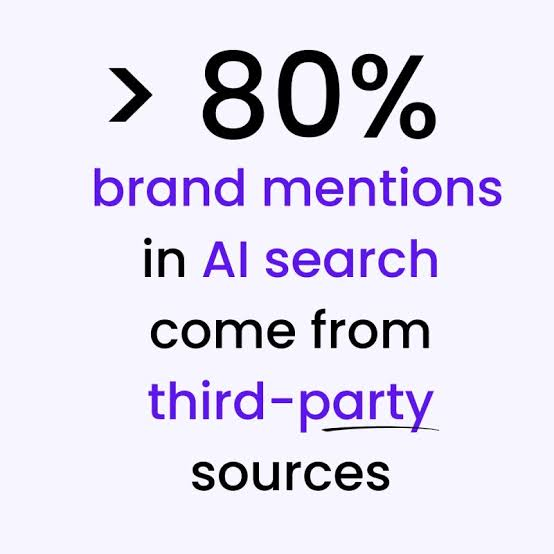

Online shoppers have never been more skeptical — and for good reason. Anyone can spin up a storefront in an afternoon, fill it with stock photos and confident claims, and start taking orders. In categories where buyers can’t easily judge quality for themselves, that low barrier to entry cuts both ways: it’s easy to start a brand, but hard to be believed. The brands that win in these markets tend to share one habit — they outsource their credibility to independent third parties instead of asking customers to just take their word for it.
The Trust Gap in Specialized Products
Trust is easy when a product is self-evident. You can see a t-shirt, read reviews of a blender, or test-drive a car. But plenty of product categories don’t work that way — specialty ingredients, technical components, lab and research materials, and anything where the buyer relies on properties they can’t inspect at the point of sale. In those categories, marketing language does almost nothing. A claim of “highest quality” from the seller is worth exactly as much as the seller’s incentive to make it, which is to say, not much.
Why Independent Verification Changes the Equation
The fix is to move the claim off the seller’s own marketing and onto a neutral party. Third-party verification — independent lab testing, certification bodies, audited reviews — works because the verifying party has no stake in the sale. When an outside laboratory reports a result, it carries weight precisely because the lab doesn’t benefit from whether you buy.
This is why so many serious niche brands now lead with documentation rather than adjectives. Instead of saying “trust us,” they publish the underlying evidence and let buyers verify it themselves.
What Good Verification Looks Like
Not all “verification” is equal. The signals that actually move trust share a few traits:
- It’s independent. Results come from a named outside party, not the seller’s own bench.
- It’s specific. Documentation ties to a particular batch, unit, or production run — not a generic certificate reused across everything.
- It’s checkable. Buyers can cross-reference the document rather than take a screenshot on faith.
- It’s consistent. Every product carries the same standard, not just the flagship items.
A Canadian brand like Ronin Peptides, for instance, publishes independent laboratory documentation for its catalog and labels products to a consistent standard — the kind of transparency that lets a buyer confirm what they’re getting instead of relying on a marketing promise. In categories where skepticism is the default, that verifiable paper trail is often the deciding factor between a sale and a bounce.
Trust Compounds
The payoff isn’t just the first sale. Verification-led brands tend to generate fewer disputes, better reviews, and stronger word of mouth, because customers get what the documentation said they’d get. Over time that reputation becomes a moat that’s hard for a here-today-gone-tomorrow competitor to copy — you can fake a product photo, but you can’t easily fake a consistent record of independent results.
The Takeaway
In crowded or skeptical markets, credibility is the real product. The brands that understand this stop trying to out-talk their competitors and start out-documenting them — handing buyers verifiable, independent evidence and getting out of the way. It’s slower than making bold claims, but it’s the only kind of trust that lasts.
