

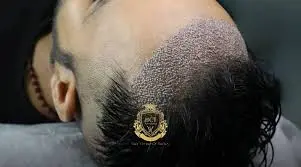
Hair loss is one of the most emotionally challenging experiences a person can face. Whether it creeps in gradually or appears suddenly, thinning hair can shake your confidence and change the way you see yourself. For millions of people around the world, a turkey hair transplant has become the most talked-about solution — and for very good reason.
Every year, hundreds of thousands of patients travel to Turkey to restore their hair, their confidence, and their sense of self. This article walks you through everything you need to know before booking your flight.
Why Turkey Has Become the Global Capital of Hair Restoration
It didn’t happen overnight. Turkey’s rise to the top of the hair restoration world is the result of decades of medical investment, a highly skilled surgeon workforce, and competitive pricing that simply cannot be matched in the West.
Istanbul, in particular, has evolved into a medical tourism powerhouse. Clinics here perform more hair transplants per year than any other country in the world. Patients fly in from the United Kingdom, Germany, the United States, the Gulf region, and beyond — all drawn by the same promise: world-class results at a fraction of the cost.
But price alone doesn’t explain the phenomenon. The real reason so many people choose a turkey hair transplant is the combination of quality, experience, and convenience that Turkish clinics have refined into an almost seamless process.
What Makes Turkish Clinics Stand Out?
Highly Experienced Surgeons
Turkish hair transplant surgeons perform procedures in extraordinary volumes. In many Western countries, a surgeon might complete a few hundred procedures a year. In Turkey, top clinics handle that number in weeks. This level of repetition builds a depth of skill and precision that is genuinely difficult to replicate elsewhere.
Many of Turkey’s leading surgeons are internationally certified, have trained abroad, and regularly participate in global medical conferences. The technical standards at reputable clinics are not just acceptable — they are exceptional.
Advanced Techniques
Turkish clinics have been at the forefront of adopting and refining the most modern hair transplant techniques. The two most widely used methods are:
- FUE (Follicular Unit Extraction): Individual hair follicles are harvested one by one from the donor area and implanted into the thinning or bald regions. It leaves no linear scar and has a relatively quick recovery time.
- DHI (Direct Hair Implantation): A more advanced version of FUE, where a specialised Choi pen is used to implant follicles directly without the need to create recipient channels first. This allows for greater density and more precise angle control.
Both techniques are performed at a very high level across Turkey, and many clinics offer both depending on the patient’s specific needs and hair type.
All-Inclusive Packages
One of the most appealing aspects of a turkey hair transplant is the all-inclusive package model. Most reputable clinics bundle together the procedure itself, airport transfers, hotel accommodation, post-operative medication, and follow-up consultations into a single fixed price.
This makes budgeting straightforward and removes the anxiety of hidden costs — something that patients in Western countries often struggle with when navigating complex healthcare pricing.
How Much Does a Turkey Hair Transplant Cost?
Cost is often the first question people ask, and it’s a fair one. In the United Kingdom, a hair transplant can cost anywhere between £5,000 and £15,000 depending on the extent of hair loss and the number of grafts required. In the United States, prices can climb even higher.
A turkey hair transplant, by contrast, typically ranges between £1,500 and £3,500 — including accommodation and transfers. The savings are significant, and this price difference doesn’t reflect a drop in quality. It reflects Turkey’s lower cost of living, government investment in medical tourism infrastructure, and the high volume of procedures performed.
However, it’s important not to let price be your only guide. The cheapest option is not always the safest. Research your clinic carefully, look at verified before-and-after photos, read patient reviews on independent platforms, and make sure your surgeon is properly credentialed.
The Journey: What to Expect from Start to Finish
Before You Travel
The process usually begins with an online consultation. You’ll submit photos of your hair and scalp, and the clinic’s team will assess your hair loss pattern, the quality of your donor area, and the approximate number of grafts needed. A reputable clinic will give you an honest assessment — not just tell you what you want to hear.
Once you’ve confirmed your booking, you’ll receive pre-operative instructions. These typically include stopping blood thinners, avoiding alcohol for a week before the procedure, and quitting smoking if possible, as it affects graft survival.
The Day of the Procedure
Most patients are collected from their hotel or airport and taken directly to the clinic. After a final consultation with the surgeon, the hairline design is drawn — this is a critically important step that shapes the entire aesthetic outcome. Take your time here and communicate clearly about your expectations.
The procedure itself is performed under local anaesthetic. You’ll be awake throughout but should feel no pain — mild pressure or vibration at most. Depending on the number of grafts, the process takes between four and eight hours.
Recovery and Results
The first few days after a turkey hair transplant involve some swelling, redness, and minor discomfort — all completely normal and manageable. You’ll be given detailed aftercare instructions, medicated shampoo, and any necessary medication before you fly home.
Within two to three weeks, the transplanted hairs will shed. This is not cause for alarm — it’s a natural and expected part of the process known as “shock loss.” The follicles remain intact beneath the skin and new growth begins from around three months onwards.
By the twelve-month mark, most patients see the full result of their procedure: natural-looking, permanent hair growth that blends seamlessly with their existing hair.
Choosing the Right Clinic: What to Look For
Not every clinic in Turkey operates to the same standard, and this is where due diligence becomes essential. Here’s what to prioritise when researching:
Surgeon credentials: Ensure the procedure will be performed by a qualified surgeon, not delegated entirely to technicians. Ask directly who will be making the incisions and overseeing the graft placement.
Before-and-after portfolio: Look for a wide range of real patient results, ideally with similar hair types and loss patterns to your own.
Transparent communication: A trustworthy clinic will tell you honestly how many grafts you need, whether you’re a suitable candidate, and what realistic results look like for your situation.
Aftercare support: Recovery doesn’t end when you board your flight home. Choose a clinic that offers accessible follow-up support, whether through video consultations or a dedicated patient liaison.
Accreditation: Look for clinics accredited by the Joint Commission International (JCI) or other recognised bodies. These certifications signal that a facility meets international healthcare standards.
Is a Turkey Hair Transplant Right for You?
The honest answer is: it depends. If you’re experiencing significant hair loss, have a healthy donor area, and are in good general health, you are likely a strong candidate. A turkey hair transplant delivers life-changing results for the right patient — permanent, natural hair that requires no ongoing maintenance beyond normal care.
However, it’s not a decision to make impulsively. Take the time to research, consult with multiple clinics, and approach the process with realistic expectations. Hair transplants are permanent, and while revision procedures exist, they are costly and complex.
If you have underlying health conditions, are on certain medications, or have very limited donor hair, a thorough consultation with a qualified surgeon is essential before committing.
Final Thoughts
Turkey has earned its reputation as the world’s leading destination for hair restoration — and the numbers speak for themselves. Hundreds of thousands of patients have returned home with full heads of hair and renewed confidence, having paid a fraction of what the same procedure would cost in their home countries.
A turkey hair transplant is not simply a medical procedure. For many people, it is a turning point — a step toward feeling like themselves again. With the right clinic, the right surgeon, and the right preparation, it can be one of the most rewarding decisions you ever make.
Do your research. Ask the hard questions. And when you’re ready, Turkey will be waiting.
