

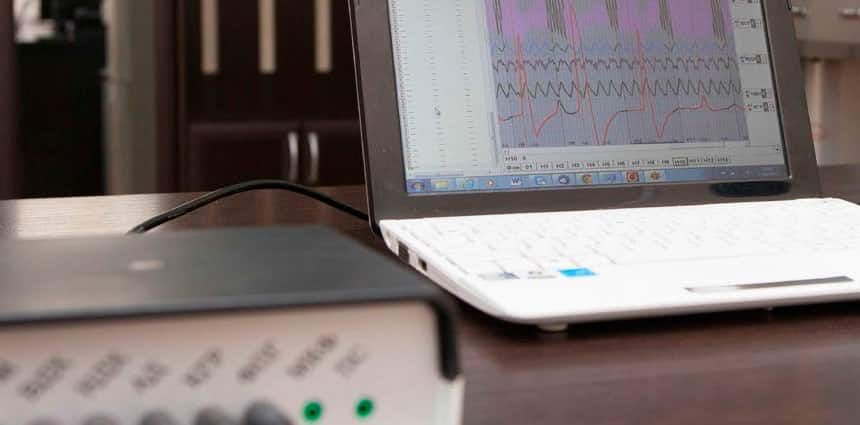
Anyone comparing polygraph service prices across countries or even across cities within the same country quickly notices something puzzling. A basic examination in Kyiv might cost 200 dollars, while an identical procedure in Berlin can reach 900 euros. Toronto and New York provide services in the 400 to 1200 dollar range. Prague sits somewhere between Kyiv and Berlin. What explains this three to fivefold spread? The answer involves a combination of factors that go well beyond the technical procedure itself. Local labor costs, regulatory requirements, documentation standards, professional certification levels, and market demand all play a role. Understanding these factors helps clients make informed decisions about whether to seek services locally or travel to another jurisdiction.
Data compiled from the American Polygraph Association, the European Polygraph Institute, and regional professional bodies show pricing spreads of 3-5x between comparable services across major markets. A 2024 comparative study found Berlin practitioners charging on average 4.2x more than their Warsaw counterparts for procedurally identical examinations. The gap reflects labor costs (roughly 60% of the difference), regulatory documentation requirements (20%), and market positioning (20%). Understanding these underlying factors helps clients evaluate whether local premium pricing represents actual value or simply market power.
Fundamental cost drivers in polygraph services
The base cost of any polygraph procedure includes several components, each with significant variation across markets. First is the examiner’s time – a full examination typically requires three to five hours of professional work including preparation, procedure, analysis, and report writing. The hourly rate of a qualified polygraph specialist varies enormously by country. Second is the equipment cost. Modern digital polygraphs cost between 20,000 and 40,000 dollars, plus annual maintenance and software updates.
Third is professional overhead – office rent, insurance, ongoing documentation, data storage compliant with local privacy regulations. Fourth is the quality of the final documentation. A brief one-page verbal-style report has fundamentally different value than a fifteen-page analytical document with methodology description, question-by-question reaction analysis, and probabilistic confidence assessments. The gap between “cheap” and “premium” offerings often reflects this documentation quality more than the technical procedure itself.
Geographic price ranges
Prices vary dramatically by country, and understanding these ranges helps clients budget appropriately for their specific situation.
| Region | Basic examination | Extended session | Notes |
| Eastern Europe (Ukraine, Bulgaria) | 150-250 USD | 350-600 USD | Quality varies significantly |
| Central Europe (Poland, Czech Republic) | 350-600 USD | 800-1500 USD | Good balance of quality and price |
| Western Europe (Germany, France) | 500-900 EUR | 1200-2500 EUR | High standards, expensive |
| United Kingdom | 500-1000 GBP | 1200-2500 GBP | Comparable to Western Europe |
| Canada | 400-800 CAD | 1000-2000 CAD | Regional variation significant |
| United States | 350-1200 USD | 1000-3000 USD | Widest range globally |
Why the same procedure costs differently
Beyond pure geographic factors, the same technical procedure can vary significantly in price based on documentation format, urgency, on-site requirements, language services, and international acceptance requirements. Understanding these premium components helps clients decide which extras are actually necessary for their situation.
- Rush processing typically adds 30-50 percent to base cost
- On-site visits at private residences or offices add 15-30 percent
- Bilingual reports for cross-border use add 20-40 percent
- Expert testimony preparation adds 40-80 percent
- Multiple examinee sessions in group investigations may qualify for volume discounts
- Confidentiality upgrades for high-profile cases add substantial premiums
- Follow-up consultations after report delivery may be extra
What “cheap” typically means and when it works
Lower-priced options at the bottom of any market segment can work well for specific limited purposes. If you need internal clarity about a personal question with no intention of using the result formally, a brief verbal assessment from an experienced examiner may be sufficient. If a family member wants to demonstrate honesty on a specific concrete question and no legal action is contemplated, a simplified procedure may serve. These use cases exist and represent legitimate applications of budget-tier services.
However, understanding what you sacrifice at the low end is essential. Cheaper offerings typically mean shorter preparation time, less rigorous questioning methodology, briefer or absent written documentation, and equipment that may not meet current professional standards. For serious purposes – legal proceedings, corporate investigations, family mediation with real consequences – these compromises often make the result unusable. Investigating professional lie detector pricing options honestly requires understanding what each price point actually includes and matching that to your specific needs.
When higher prices make sense
Premium pricing correlates with several concrete factors that add real value in specific situations. Comprehensive written documentation usable in legal proceedings. Bilingual or multilingual reports for cross-border cases. Expert testimony support in court settings. Extended preparation time for complex situations. Follow-up consultations after report delivery. Higher confidentiality protocols for sensitive cases. Access to specialists with rare qualifications such as forensic certification or expertise in specific industries.
For clients whose situations involve significant consequences – major financial disputes, custody battles, corporate investigations affecting employment, criminal defense support – the higher investment typically pays back through the result’s practical utility. A three thousand dollar procedure that produces a court-usable document has fundamentally different value than a five hundred dollar procedure that produces an unclear verbal assessment.
Practical guidance for clients evaluating quotes
When comparing quotes from different providers, focus on what is included rather than just the headline price. Ask specifically about the format of the final report, its length, and whether it addresses the standards required for your intended use. Ask about preparation time – the initial phone consultation and pre-test interview length reflect how thoroughly your specific case will be addressed. Ask about equipment – modern digital polygraphs produce measurably more reliable results than older analog machines. Ask about the examiner’s specific qualifications and years of experience with cases similar to yours.
To book a lie detector test online for business simply follow this link
Be wary of providers who quote immediate low prices without substantive discussion of your situation. Legitimate professional practices invest significant time in preliminary consultation because the quality of preparation directly determines the quality of results. Similarly, be cautious about the highest-priced options that don’t justify the premium with specific value additions – some markets have providers who charge more simply because their location or reputation allows it, without corresponding quality benefits. The right price is the one that matches the specific requirements of your situation, and finding that price requires honest conversation with several providers before making a final decision.
