

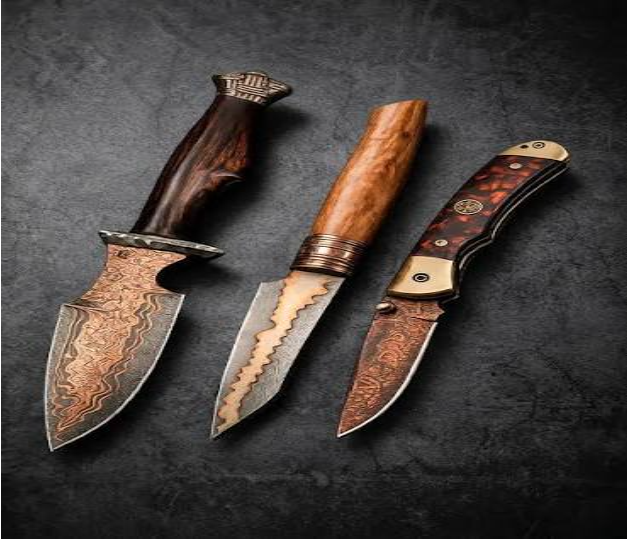
A reliable ranch knife is an essential tool for ranchers, farmers, hunters, and outdoor enthusiasts who need dependable performance for everyday tasks. When choosing one, you should consider blade quality, handle comfort, durability, maintenance, and overall value. A Damascus ranch knife offers distinctive layered patterns that appeal to collectors and practical users alike. If you are exploring handcrafted designs, JWSteelCrafts offers a range of knives and handcrafted tools worth considering when comparing styles, materials, and designs for ranch use.
However, not every Damascus knife is built for the same purpose. Some models focus on traditional Western styling, while others emphasize everyday utility, decorative finishes, or collectible craftsmanship. Understanding these differences helps you choose a knife that suits your needs and budget.
1. Understand What Makes a Damascus Ranch Knife Different
Damascus steel is known for its distinctive patterns, which can resemble flowing waves, ripples, or intricate lines across the blade. These patterns give each knife a recognizable appearance and make Damascus designs popular among traditional knife enthusiasts.
Modern Damascus blades are commonly made by forge-welding layers of steel together and manipulating them to create visible patterns. The finished blade combines craftsmanship with a distinctive appearance.
However, the pattern alone does not determine performance. The steel composition, heat treatment, blade geometry, and manufacturing quality all influence how a knife performs.
When evaluating a Damascus ranch knife, look beyond its appearance. Check the materials, construction, intended use, and care requirements before making your decision.
2. Choose the Right Blade Steel and Construction
Blade material is one of the most important factors when buying a Damascus ranch knife. A beautiful pattern may attract attention, but the underlying steel and manufacturing process determine much of the blade’s practical performance.
Check the Steel Composition
Ask about the types of steel used to produce the blade. Reputable sellers should provide clear information about the materials rather than relying solely on claims about Damascus craftsmanship.
Different steel combinations can offer different balances of hardness, toughness, corrosion resistance, and edge retention. These characteristics matter when a knife is used regularly around a ranch or outdoor environment.
Consider Heat Treatment
Proper heat treatment helps a blade achieve the intended balance between hardness and toughness. A blade that is too soft may lose its edge quickly, while one that is excessively hard or poorly treated may be more vulnerable to chipping.
Look for sellers who provide useful product specifications and demonstrate confidence in their manufacturing standards.
Evaluate the Blade’s Construction
A well-made knife should have consistent finishing, secure handle construction, and no obvious defects. Examine the blade and handle junction, inspect the surface finish, and look for signs of poor assembly.
These details can tell you more about manufacturing quality than decorative patterns alone.
3. Select a Blade Shape for Your Ranch Tasks
Different blade shapes serve different purposes. Before purchasing a knife, consider how you expect to use it around your property.
Drop-Point Blades
Drop-point blades feature a spine that slopes toward the tip. This design is popular for general outdoor use because it offers a practical balance of control and versatility.
Clip-Point Blades
Clip-point blades have a spine that curves or slopes toward the tip, creating a more defined point. Traditional Western and cowboy-inspired knives often feature this shape.
Straight-Back Blades
Straight-back blades have a relatively straight spine and a traditional profile. Depending on their dimensions and construction, they can suit a range of everyday utility tasks.
The best blade shape depends on your intended application, experience, and comfort. Compare the blade’s length, profile, and edge design rather than assuming one shape is ideal for every ranch task.
4. Choose a Comfortable Handle and Reliable Grip
Handle design directly affects comfort and control. If you expect to carry or use a ranch knife regularly, pay attention to its shape, materials, and finish.
Common handle materials include wood, synthetic composites, and other durable materials. Each offers a different appearance, feel, and maintenance requirement.
Wood handles can provide a traditional Western aesthetic, especially when paired with a handcrafted Damascus blade. However, some woods require more care to protect them from moisture and environmental changes.
Synthetic materials may offer practical advantages for users who prioritize straightforward maintenance. Regardless of material, the handle should fit your hand comfortably and provide a secure grip under appropriate working conditions.
Before buying, review the handle dimensions, overall balance, and available product photographs. If possible, handle the knife in person to assess its ergonomics.
5. Compare Western Ranch Knife Styles Before Buying
Ranch knives often reflect traditional Western design influences. Features such as curved handles, classic blade profiles, decorative bolsters, and natural handle materials can give these knives a distinctive character.
If you prefer this style, explore the handcrafted Western ranch knives at JWSteelCrafts to compare designs and identify options that match your preferences.
When comparing models, pay attention to practical specifications alongside appearance. Consider blade dimensions, handle construction, total weight, sheath availability, and the manufacturer’s description of intended use.
A traditional-looking knife may be suitable for collection, display, or occasional utility work, depending on its construction. Make sure the specific model you select is designed for your intended purpose.
6. Evaluate Blade Length, Weight, and Balance
A knife’s dimensions influence how it feels to carry, store, and use. A larger blade may appeal to someone who prefers a traditional ranch knife profile, but a longer blade is not automatically more practical.
Consider these factors before choosing a model:
- Blade length: Choose a size appropriate for your intended tasks and local regulations.
- Overall weight: A lighter knife may be easier to carry throughout the day.
- Balance: The relationship between the blade and handle affects how the knife feels in your hand.
- Handle dimensions: Ensure the grip accommodates your hand comfortably.
- Sheath compatibility: Check whether a suitable sheath is included or available separately.
For everyday ranch work, practicality and comfort should take priority over choosing the largest or most visually impressive knife.
7. Consider Edge Retention and Ease of Sharpening
Edge retention describes how well a blade maintains its sharpness during use. It depends on several factors, including steel composition, heat treatment, blade geometry, and the materials being cut.
A Damascus pattern does not automatically mean a knife will hold an edge longer than a blade made from another steel.
Before purchasing, look for information about sharpening requirements and recommended maintenance tools. Consider whether you can maintain the blade with equipment you already own or whether you will need specialized supplies.
Regular maintenance can help preserve cutting performance. Use suitable sharpening methods for the specific blade, and avoid aggressive techniques that could damage the edge or finish.
8. Check Corrosion Resistance and Maintenance Requirements
Many Damascus knives require careful maintenance to protect their appearance and performance. Some Damascus blades use steels that can corrode if exposed to moisture, while stainless Damascus products may offer different levels of corrosion resistance depending on their composition.
Ask the seller whether the blade is stainless or carbon-steel Damascus and follow the manufacturer’s care instructions.
For routine maintenance:
- Clean the blade after use.
- Dry it thoroughly before storage.
- Apply a suitable protective oil when recommended.
- Store the knife in a dry environment.
- Inspect the blade and handle periodically for damage.
- Keep the edge maintained using an appropriate sharpening method.
Avoid storing a damp knife in a leather sheath for extended periods, as trapped moisture can contribute to corrosion. Proper care helps preserve the blade’s finish and extends its useful life.
9. Compare Craftsmanship, Brand Reputation, and Product Details
When buying a handcrafted Damascus ranch knife, the seller matters as much as the design. A clear product description helps you understand what you are paying for and whether the knife matches your expectations.
Review the following details before ordering:
- Steel composition and blade construction.
- Handle material and finish.
- Blade dimensions and overall weight.
- Manufacturing and finishing quality.
- Sheath inclusion and compatibility.
- Warranty, return, and shipping policies.
- Available customer reviews and product photographs.
JWSteelCrafts is an option to explore when comparing handcrafted knives and traditional Western designs. Review the details of each product carefully and contact the seller if important specifications are missing.
Avoid choosing a knife solely because of dramatic photographs or claims about exceptional sharpness. Reliable product information and transparent purchasing policies are more useful indicators when making an informed decision.
10. Set a Realistic Budget and Compare Overall Value
Damascus ranch knives are available at different price points. Cost can reflect materials, craftsmanship, finishing, design complexity, brand positioning, and included accessories.
A higher price does not automatically guarantee better performance. Likewise, an inexpensive knife may not offer the construction quality or durability you expect.
Set a budget before shopping and compare knives within a similar category. Evaluate the specifications, handle quality, blade construction, and maintenance requirements instead of focusing exclusively on appearance.
Consider the long-term value of the purchase. A well-made knife that suits your needs and receives proper maintenance may provide better value than a decorative model that does not fit your intended use.
11. Check the Sheath, Storage, and Carrying Options
A suitable sheath protects the blade and helps prevent accidental contact with the edge. It can also make storage and transport more convenient.
Before purchasing, check whether the knife includes a sheath and whether the sheath is designed specifically for that model. Review its material, retention system, and intended carrying method.
If you plan to carry the knife on a ranch or during outdoor activities, prioritize secure storage and safe handling. Follow applicable local laws governing knife possession, transportation, and carry.
Never assume that a sheath is suitable simply because it fits the blade. The knife should remain secure during ordinary movement and be easy to store safely when not in use.
12. Avoid Common Mistakes When Buying a Damascus Ranch Knife
A few common purchasing mistakes can lead to disappointment. Keep these points in mind while comparing your options.
Choosing Appearance Over Performance
Damascus patterns can be attractive, but they do not establish blade quality on their own. Check the steel, heat treatment, construction, and intended use.
Ignoring Maintenance Requirements
Some blades need more attention than others. Understand how to clean, dry, protect, and sharpen the knife before purchasing it.
Overlooking Product Specifications
Do not rely on vague descriptions. Look for measurements, materials, construction details, and information about included accessories.
Buying Without Comparing Alternatives
Compare several knives with similar intended uses and budgets. This makes it easier to identify differences in materials, ergonomics, craftsmanship, and overall value.
Assuming Every Knife Suits Every Task
A collectible Western knife, an everyday utility knife, and a specialized outdoor blade may serve different purposes. Select a model designed for your needs rather than expecting one knife to perform every possible task.
Why Consider JWSteelCrafts When Shopping for a Damascus Ranch Knife?
Finding a suitable ranch knife involves balancing traditional design, practical features, craftsmanship, and price. JWSteelCrafts offers a place to begin exploring handcrafted knife styles, including Western-inspired designs for shoppers who appreciate classic aesthetics.
When browsing its collection, compare individual product specifications and photographs to determine which model fits your preferences. Pay attention to the steel description, handle construction, blade dimensions, sheath details, and care recommendations.
Whether you are shopping for yourself or considering a knife as a gift for someone who appreciates Western craftsmanship, taking time to compare your options can help you make a more confident purchase.
Explore JWSteelCrafts’ range of knives, review the available product information, and choose a design that matches your intended use, maintenance preferences, and budget.
Conclusion
Buying a Damascus ranch knife requires more than choosing an attractive blade pattern. You should evaluate steel composition, heat treatment, blade shape, handle comfort, maintenance requirements, construction quality, and overall value.
Start by identifying your intended use, then compare products based on their specifications and craftsmanship. Check the sheath, understand the care requirements, and review the seller’s policies before placing your order.
For shoppers interested in traditional Western designs and handcrafted knives, JWSteelCrafts is worth exploring as part of the comparison process. With careful research and realistic expectations, you can choose a Damascus ranch knife that suits your style and practical requirements.
Frequently Asked Questions
1. What should I look for when buying a Damascus ranch knife?
Look for reliable steel specifications, appropriate heat treatment, comfortable handle construction, a suitable blade shape, and clear maintenance instructions. Consider the knife’s intended use, price, and overall manufacturing quality.
2. Are Damascus ranch knives suitable for everyday use?
Some Damascus ranch knives are designed for practical use, while others emphasize collectible or decorative features. Check the individual product specifications and intended-use guidance before buying.
3. Does a Damascus blade hold its edge longer?
Not necessarily. Edge retention depends on the steel composition, heat treatment, blade geometry, and intended application. A Damascus pattern alone does not guarantee superior edge retention.
4. Are Damascus ranch knives difficult to maintain?
Maintenance requirements vary by steel type and finish. Many blades benefit from prompt cleaning, thorough drying, appropriate protective oil, and proper storage. Follow the manufacturer’s specific care instructions.
5. Which handle material is best for a ranch knife?
There is no universally best material. Wood offers a traditional appearance, while synthetic materials may provide different durability and maintenance advantages. Choose a comfortable, secure handle that suits your working environment.
6. What blade shape is best for a Western ranch knife?
Drop-point, clip-point, and straight-back designs are all available. The best option depends on the intended use, preferred style, and blade dimensions rather than the shape alone.
7. Are expensive Damascus ranch knives always better?
No. Price may reflect craftsmanship, materials, design, and finishing, but it does not guarantee superior performance. Compare specifications, construction quality, reviews, and purchasing policies before deciding.
8. Where can I find handcrafted Western ranch knives?
You can explore the Western ranch knife collection at JWSteelCrafts to compare available styles and review product details before purchasing.
9. How should I store a Damascus ranch knife?
Clean and dry the knife before storage, follow the manufacturer’s recommendations for blade protection, and keep it in a dry, secure location. Avoid leaving a damp blade in a sheath for extended periods.
10. Can a Damascus ranch knife make a good gift?
Yes. It may suit someone who appreciates traditional Western designs, handcrafted tools, or knife collecting. Before buying it as a gift, consider the recipient’s preferences, intended use, and applicable knife laws.
