

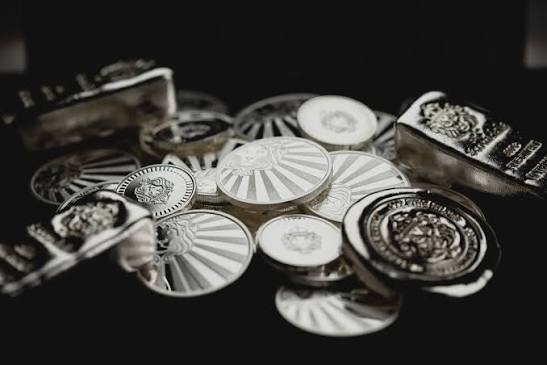
Silver has long attracted investors, collectors, and businesses because of its value as a precious metal and its wide range of practical applications. From bullion bars and coins to industrial materials and collectible pieces, buyers have several options depending on their goals. When planning a substantial purchase, understanding the market and evaluating each offer carefully can make the process more straightforward.
Purchasing large quantities of silver requires more preparation than buying a single coin or small bar. The total investment can be significant, so buyers should pay close attention to product specifications, pricing, authenticity, storage arrangements, and the seller’s reputation before committing to an order.
Understand Your Purchasing Goals
Before comparing products, establish why you want to buy silver. Investors may prioritize recognizable bullion products with transparent pricing, while collectors might focus on specific coins, mint marks, dates, or limited editions. Businesses may have different requirements based on manufacturing needs or inventory planning.
Defining the purpose of the purchase helps narrow the available choices. For example, buyers primarily interested in silver content may prefer standard bullion bars or widely traded coins rather than products with substantial collectible premiums.
It is also useful to decide on a budget before approaching sellers. Precious-metal prices fluctuate, and a predetermined spending limit can help prevent rushed decisions when market conditions change. Buyers should consider transaction fees and other expenses rather than allocating the entire budget to the metal itself.
Compare Silver Prices and Dealer Premiums
The spot price is a useful starting point when evaluating silver offers. It reflects the market price for the metal in wholesale trading, but the retail price of a physical product generally includes additional costs.
These additional charges are often described as premiums. They may reflect manufacturing, distribution, dealer operating costs, product demand, and the size or format of the item. Smaller products can sometimes carry higher premiums per ounce than larger bars because certain costs are spread across less silver.
When comparing offers, look at the final price per ounce or gram and make sure the products have equivalent purity and weight. Shipping, insurance, payment processing, and applicable taxes can also influence the total cost.
It is worth requesting a written quote for a substantial order. This makes it easier to compare offers fairly and understand whether the quoted price is fixed, subject to market movement, or dependent on payment timing.
Verify Purity, Weight, and Authenticity
Authenticity is essential when buying precious metals. A product’s appearance alone cannot establish that it contains the stated amount of silver, so buyers should evaluate the available documentation and sourcing information.
For bullion products, check the stated purity, weight, manufacturer, and any relevant markings. Investment-grade silver bars and many bullion coins are commonly produced at .999 fine silver, although specifications vary by product.
For higher-value purchases, consider whether independent verification is appropriate. A qualified precious-metals professional can use suitable testing methods to assess the material. No single visual check or simple home test should be treated as conclusive proof of authenticity.
Keep invoices, product descriptions, payment records, and any certificates supplied with the order. These documents can help establish provenance and make future insurance or resale discussions easier.
Evaluate the Seller Before Placing an Order
A competitive price is important, but it should not be the only factor in choosing a supplier. Buyers should look for clear business information, accessible customer support, transparent policies, and detailed product listings.
Independent customer feedback may offer insight into delivery reliability, packaging quality, and how the seller responds when an order does not meet expectations. Reviews should be considered alongside other evidence rather than treated as a guarantee.
Before completing a transaction, review the seller’s shipping, insurance, cancellation, and return policies. Precious-metal purchases may have special conditions because market prices can change rapidly. Understanding these terms in advance can help prevent misunderstandings.
For a substantial order, communication is especially important. Ask questions about stock availability, delivery estimates, packaging, and how the seller handles discrepancies. A professional supplier should be able to explain the relevant procedures clearly.
Plan Storage and Security in Advance
Buying silver is only one part of ownership. Once the order arrives, the buyer must consider how the metal will be stored, protected, and documented.
Silver bullion is relatively compact compared with many other physical assets, but its total weight can become significant as holdings grow. Before delivery, decide whether secure home storage, a suitable safe, or a professional storage facility is more appropriate for the amount being acquired.
Security arrangements should match the value of the holdings and the buyer’s circumstances. Keep storage details private, restrict unnecessary access, and maintain an inventory in a secure location.
Insurance also deserves attention. Standard household policies may impose limits or exclusions on precious metals, coins, or bullion. Contact the insurer to understand the actual coverage, documentation requirements, and any conditions that apply.
Proper storage can also help preserve product condition. Keeping silver dry and using suitable protective packaging may reduce tarnishing and surface damage, particularly for collectible items.
Consider Liquidity and Resale Options
Buyers should think about the eventual resale process before making a purchase. Some silver products are widely recognized by dealers, which may make them easier to evaluate and trade. Unusual or highly specialized items may require more effort to find an interested buyer.
Ask whether the seller offers a buyback service and understand how its prices are calculated. A buyback price will usually differ from the retail price, and the difference between buying and selling prices can affect the overall financial outcome.
Standardized bullion products may be easier to compare because their weight and purity are clearly defined. Collectible coins can have additional value, but that value may depend on rarity, condition, demand, and the expertise of the eventual buyer.
Maintaining accurate records and preserving original packaging where practical can support future resale discussions.
Understand the Risks of Precious-Metal Purchasing
Silver prices can move up or down in response to industrial demand, investor activity, interest rates, currency changes, mining output, and wider economic conditions. Even buyers who intend to hold their silver for years should recognize that market value is not guaranteed.
Physical ownership also involves costs that may not be immediately obvious, including premiums, shipping, storage, insurance, and resale spreads. These expenses should be considered when assessing whether a purchase fits a financial plan.
Avoid relying on claims that promise guaranteed profits or suggest that prices can only rise. A sensible approach includes setting a budget, understanding the possibility of losses, and avoiding commitments that would create financial pressure if the market moves unfavorably.
Conclusion
Buying silver in bulk can be a practical option for investors, collectors, and businesses, but careful planning is essential. Understanding product specifications, comparing complete costs, verifying authenticity, and choosing a transparent seller can help reduce avoidable problems.
Storage, insurance, and resale considerations also deserve attention before an order is placed. By approaching each purchase with clear objectives and realistic expectations, buyers can make more informed decisions about adding physical silver to their holdings.
