

The healthcare industry is evolving rapidly, and nowhere is this more evident than in behavioral health. Clinics, therapists, and mental health organizations are under increasing pressure to deliver high-quality care while managing complex administrative workflows. This is where behavioral health EHR systems and a robust Patient Records Management System come into play.
These technologies are not just digital tools—they are the backbone of modern, efficient, and patient-centered care.
The Growing Need for Behavioral Health EHR Systems
Behavioral health providers deal with highly sensitive and detailed patient information. Unlike general healthcare, mental health records often include therapy notes, treatment plans, progress tracking, and compliance documentation. Managing this manually or through outdated systems can lead to inefficiencies and even compliance risks.
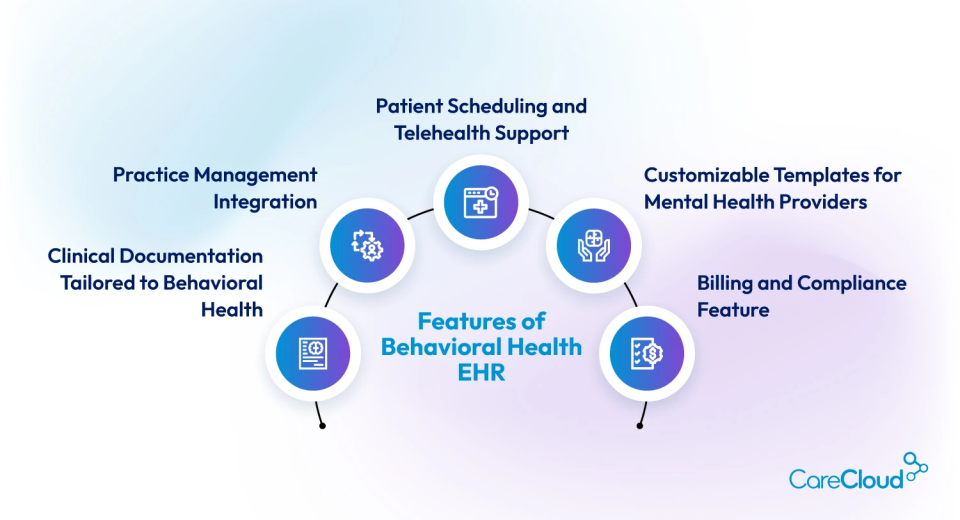
A behavioral health EHR system is specifically designed to address these challenges. It allows providers to securely store, access, and update patient data in real time. More importantly, it supports clinical workflows tailored to mental health practices, such as:
- Therapy session documentation
- Treatment plan management
- Outcome tracking
- Medication monitoring
By streamlining these processes, providers can focus more on patient care rather than administrative burdens.
What Is a Patient Records Management System?
A Patient Records Management System is a centralized digital platform that organizes and manages all patient-related information. It ensures that every record—from intake forms to discharge summaries—is stored securely and can be retrieved instantly when needed.
In behavioral health settings, this becomes even more critical. Accurate and accessible records help clinicians make informed decisions, track patient progress, and maintain continuity of care.
Key features typically include:
- Secure data storage with compliance standards
- Easy retrieval of patient histories
- Automated documentation workflows
- Integration with billing and scheduling systems
When combined with behavioral health EHR systems, this creates a powerful ecosystem that enhances both clinical and operational efficiency.
Benefits for Healthcare Providers
Implementing a modern EHR and records management system brings several advantages:
1. Improved Efficiency
Manual paperwork is time-consuming and prone to errors. Digital systems automate routine tasks, reducing administrative workload and freeing up time for patient interaction.
2. Enhanced Accuracy
Electronic records minimize the risk of lost or incomplete data. Providers can access accurate, up-to-date information at any time.
3. Better Compliance
Healthcare regulations require strict data protection and documentation standards. EHR systems help ensure compliance with industry guidelines, reducing legal risks.
4. Streamlined Communication
With centralized data, multiple providers can collaborate more effectively. This is especially important in behavioral health, where coordinated care is often necessary.
Benefits for Patients
While these systems primarily support providers, patients also experience significant benefits:
- Faster access to care due to streamlined workflows
- Improved treatment outcomes through better tracking and data insights
- Enhanced privacy and security of sensitive information
- Personalized care plans based on accurate records
In short, digital transformation leads to a better overall patient experience.
The Role of Customization in Behavioral Health
Not all EHR systems are created equal. Behavioral health requires specialized features that general healthcare systems may not provide. For example:
- Detailed therapy note templates
- Customizable treatment plans
- Behavioral assessment tools
- Outcome measurement tracking
Platforms like Opus EHR are designed with these specific needs in mind, offering tailored solutions that align with mental health workflows.
Integration Is the Key to Success
A standalone system can only go so far. The real power lies in integration. When your behavioral health EHR system connects seamlessly with your Patient Records Management System, billing software, and scheduling tools, it creates a unified ecosystem.
This integration allows for:
- Real-time data synchronization
- Reduced duplication of work
- Improved financial management
- Better reporting and analytics
Ultimately, it enables organizations to operate more smoothly and scale effectively.
Challenges and Considerations
While the benefits are clear, implementing a new system does come with challenges:
- Initial setup costs
- Staff training requirements
- Data migration from legacy systems
However, these are short-term hurdles. The long-term gains in efficiency, accuracy, and patient satisfaction far outweigh the initial investment.
The Future of Behavioral Health Technology
As technology continues to advance, behavioral health EHR systems will become even more intelligent and user-friendly. Features like AI-driven insights, predictive analytics, and telehealth integration are already shaping the future.
Healthcare providers who adopt these systems early will be better positioned to deliver high-quality care in an increasingly competitive landscape.
Final Thoughts
The combination of behavioral health EHR systems and a powerful Patient Records Management System is no longer optional—it’s essential. These tools empower providers to deliver better care, improve operational efficiency, and ensure compliance with evolving healthcare standards.
For organizations looking to stay ahead, investing in a reliable solution like Opus EHR can make all the difference. It’s not just about managing records—it’s about transforming the way care is delivered.
