

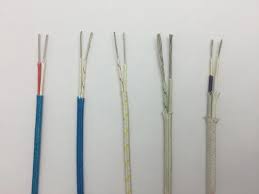
Temperature measurement systems work in some of the harshest industrial conditions. Heat, vibration, moisture, dust, and chemical exposure are all part of daily operations in industries like steel, glass, power generation, and petrochemicals. In such environments, the cable connected to the sensor matters just as much as the sensor itself.
That is one reason braided thermocouple wire continues to be widely used in high-temperature applications. It is designed for harsh environments where typical insulated cables can deteriorate rapidly or not provide reliable performance.
From the outside the construction may look simple but the braided layer provides protection and flexibility and durability that are critical in industrial applications running continuously for long periods.
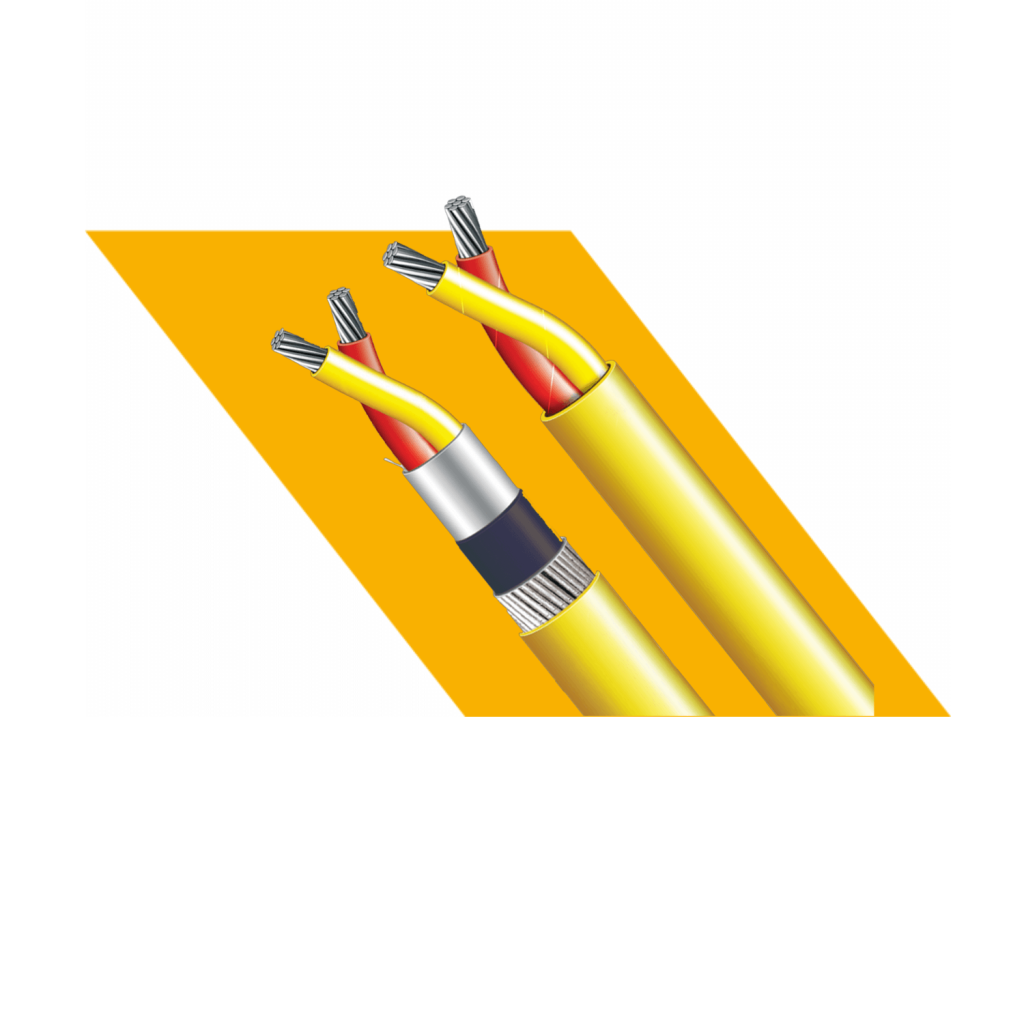
Understanding braided thermocouple wire
A thermocouple wire carries temperature signals from the sensing point to the measuring instrument. In many industrial systems, this wire passes through areas exposed to heat, movement, or rough handling.
The thermocouple wire is braided and the outer braid is made of stainless steel, fiberglass, or metal alloys. It is meant to protect the cable from the outside, but still lets the cable remain flexible.
The wire inside still performs the temperature measurement function. The braid simply gives it additional strength and protection for industrial use.
Why high-temperature applications need stronger cable protection
Heat does not affect only the sensor. It also affects the cable carrying the signal. If the cable insulation weakens or cracks, signal accuracy can suffer. In some cases, the wire may stop functioning completely.
Industrial plants also expose cables to:
- Mechanical stress
- Abrasion
- Oil and chemicals
- Continuous vibration
- Sharp bends during installation
That combination creates difficult operating conditions.
Braided thermocouple wire handles these conditions better than many standard cable types because the outer braid adds another layer of support.
Better resistance to heat
One of the biggest reasons braided thermocouple wire is preferred is its ability to tolerate elevated temperatures for long periods.
Many standard cables begin to degrade when exposed to continuous heat. Insulation may harden, become brittle, or lose flexibility. When this happens the life of the cable drops rapidly.
Braided constructions cover the insulation underneath to improve heat resistance. Fiberglass braiding is a great example of a material that’s particularly useful in applications where temperatures remain high all the time.
This makes braided thermocouple cables suitable for:
- Furnaces
- Heat treatment equipment
- Kilns
- Industrial ovens
- Glass manufacturing systems
These environments place constant stress on temperature measurement systems.
Not every cable can survive there.
Improved mechanical strength
Industrial cable damage does not always come from temperature alone. Physical handling causes problems too.
Cables may rub against surfaces, move with machinery, or be pulled during installation and maintenance work. Weaker cable constructions can tear and wear down over time.
The braided outer layer is to help reduce this damage . It stiffens the cable without making it too stiff. This balance is important, because many installations require both durability and flexibility.
In busy industrial plants cables seldom go untouched for years. They are routed through equipment, trays, and tight spaces. Stronger outer protection helps extend service life.
Better flexibility during installation
Some heavy-duty cables become difficult to handle because of thick outer protection. Braided thermocouple wire avoids that problem to a large extent.
The braid provides protection while still allowing the cable to bend and move more easily compared to rigid armored constructions. This becomes useful in:
- Compact equipment
- Areas with tight routing paths
- Moving machinery
- Retrofit installations
Installers can work with the cable more comfortably without compromising protection.
That practical advantage matters more than people think.
Reduced risk of signal interference
Temperature readings need to stay stable and accurate. In industrial environments filled with electrical systems and heavy machinery, signal disturbance can become an issue.
Braided shielding helps reduce external interference in certain applications. This improves signal reliability between the thermocouple and the monitoring instrument.
Stable signal transmission matters in processes where even small temperature variations affect product quality or equipment performance.
For industries running continuous operations, consistency becomes part of operational safety.
Suitable for harsh industrial environments
High-temperature industrial facilities are rarely clean or controlled environments. Dust, moisture, vibration, and chemicals are all present in varying levels.
Braided thermocouple wire performs well in these conditions because the outer layer adds another level of environmental protection. Depending on the material used, the braid can help improve resistance against:
- Surface wear
- Minor chemical exposure
- Mechanical impact
- Handling damage
This makes the cable suitable for heavy industrial sectors where reliability matters more than appearance.
Common industries using braided thermocouple cables
Braided thermocouple wire is used across many industries because temperature monitoring remains a critical part of operations.
Steel and metal processing
Steel plants operate at extremely high temperatures. Temperature sensors and cables remain exposed to radiant heat for long periods. Braided cables help improve durability under these conditions.
Glass manufacturing
Glass production lines involve continuous heating processes. Cable insulation must remain stable despite constant exposure to elevated temperatures.
Power plants
Power generation systems depend on accurate temperature monitoring for boilers, turbines, and heat exchangers. Cable reliability directly affects monitoring quality.
Petrochemical industries
Petrochemical plants expose instrumentation systems to both heat and chemically aggressive environments. Protective cable construction becomes important for long-term operation.
Heat treatment facilities
Heat treatment furnaces rely heavily on accurate thermal control. Braided thermocouple cables help maintain dependable signal transmission in high-heat areas.
Material selection also matters
Not all braided thermocouple wires are built the same way. The braid material varies with the application.
Fiberglass braiding is good for high temperature insulation needs. The stainless steel braiding provides more robust mechanical protection in harsh environments. Some applications may require additional shielding or insulation layers depending on operating conditions.
The selection depends on:
- Temperature range
- Exposure conditions
- Mechanical stress
- Installation environment
- Required flexibility
That is why industrial users typically evaluate the full application instead of selecting cables based only on temperature ratings.
Choosing the right thermocouple cable for the application
Cable selection should never be treated as a secondary decision. A high-quality sensor connected with an unsuitable cable may still produce unreliable results.
When selecting braided thermocouple wire, it helps to consider:
- Maximum operating temperature
- Exposure to vibration
- Chemical contact
- Indoor or outdoor installation
- Required cable flexibility
- Mechanical handling conditions
Long cable runs may also require attention to signal quality and shielding requirements.
Industrial environments differ from one facility to another. A cable working perfectly in one setup may not last in another.
Why manufacturers focus on specialized thermocouple cable solutions
Industrial users are no longer looking only for standard cables. Many applications now require cables designed for specific operating conditions.
For instance, Tempsens Instruments supplies thermocouple cable solutions for tough industrial environments. They offer cables for temperature resistance, mechanical durability and stable signal transmission in a wide range of applications.
This is important because industrial systems are expected to run continuously with little interruption. To that end, reliable cable performance helps.
Maintenance and inspection still matter
Even durable braided thermocouple cables require periodic inspection. Continuous exposure to heat and industrial conditions gradually affects all materials over time.
Routine checks should include:
- Surface wear
- Fraying of the braid
- Insulation damage
- Loose connections
- Areas exposed to excessive bending
Small issues caught early can prevent larger failures later.
Temperature measurement systems are rarely noticed when they work properly. Attention comes only after a failure interrupts operations.
Final thoughts
Braided thermocouple wire remains a preferred choice in high-temperature applications because it balances heat resistance, flexibility, and mechanical protection in a practical way.
Industrial environments place constant stress on cables. Heat alone can shorten cable life, but vibration, movement, and physical handling create additional pressure. The braided outer layer helps the cable withstand these conditions more effectively.
That added protection improves long-term reliability in industries where stable temperature measurement supports both production and safety.
For many industrial systems, the cable may look like a small component. In daily operation, it becomes part of the system’s reliability.
