

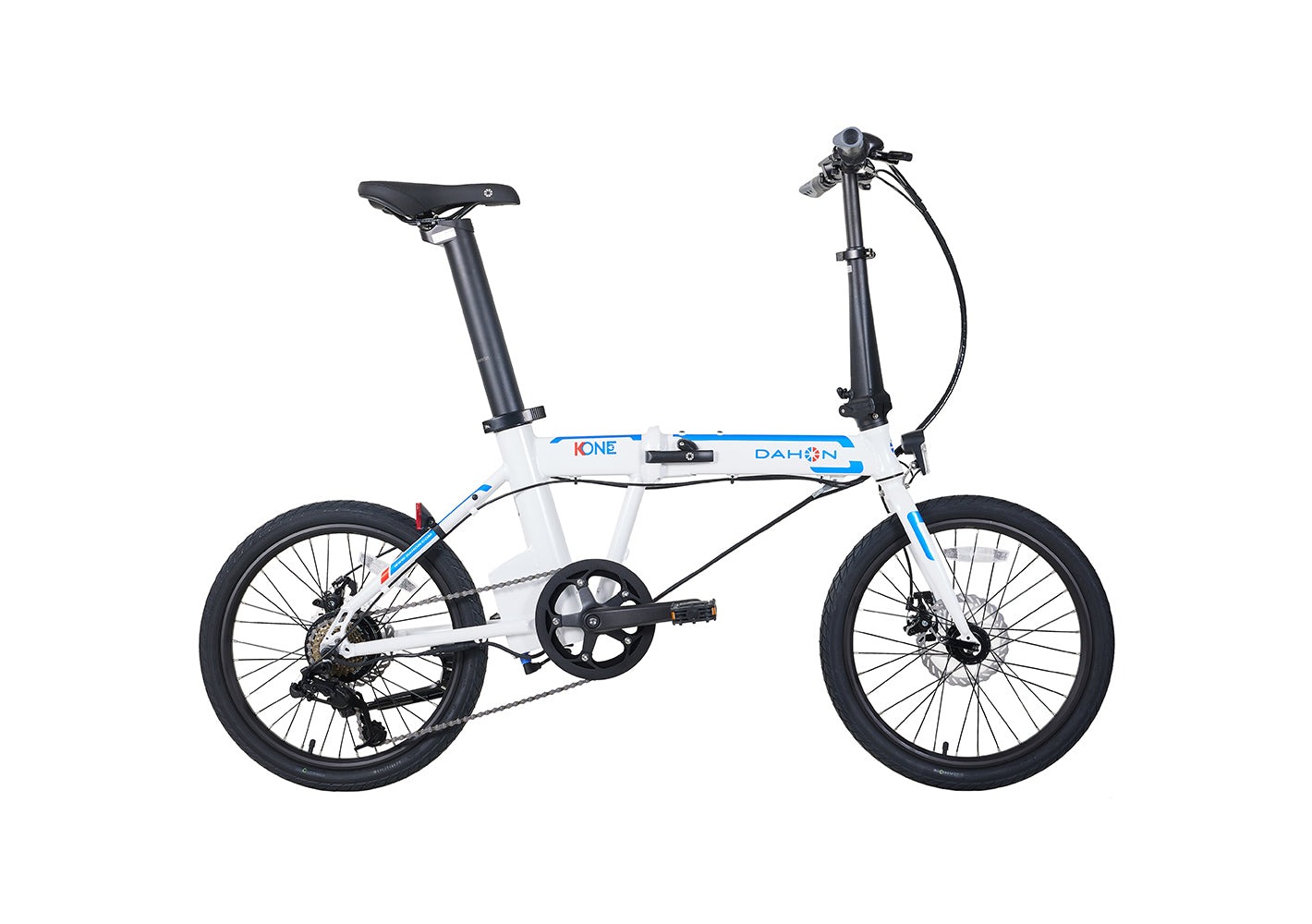
Picture yourself arriving at a new city, eager to explore, only to find yourself stuck in traffic or waiting for unreliable public transportation. This frustration is all too common for modern travelers seeking flexibility and independence. Folding electric bikes have emerged as a game-changing solution, combining the freedom of cycling with the convenience of compact, motorized transportation. These innovative bikes address the core pain points travelers face: limited mobility, high transportation costs, and environmental concerns. Whether you’re a backpacker hopping between cities, a business traveler navigating urban landscapes, or an adventure seeker exploring diverse terrains, a folding electric bike transforms how you experience new destinations. This article explores the compelling benefits that make these bikes indispensable for travel enthusiasts, guides you through selecting the perfect model for your needs, and shares practical tips for seamlessly integrating one into your journeys. Discover how this portable solution can enhance your travel experience while keeping you active, saving money, and reducing your environmental footprint.
The Ultimate Travel Companion: Benefits of Folding Electric Bikes
Folding electric bikes represent a revolutionary approach to travel mobility, addressing the fundamental challenges that modern explorers face. Unlike traditional bicycles or car rentals, these convenient transportation solutions offer unparalleled flexibility without the burden of permanent storage or ongoing maintenance costs. The combination of compact design and motorized assistance creates an ideal scenario for travelers seeking independence while minimizing their environmental impact. Whether navigating bustling city streets or discovering remote countryside paths, a travel-friendly electric bike adapts to diverse destinations and travel styles. The benefits extend far beyond mere convenience, encompassing significant financial savings, reduced carbon emissions, and the ability to cover greater distances without physical exhaustion. For business travelers facing tight schedules, leisure explorers wanting authentic experiences, and adventure seekers pushing physical boundaries, these bikes eliminate transportation constraints that traditionally limited exploration possibilities. The electric motor ensures that terrain difficulty, weather conditions, and personal fitness levels never prevent you from reaching your desired destinations. This democratization of mobility transforms travel from a passive experience dependent on external transportation systems into an active, empowering journey where you control your pace, route, and adventure scope.
Unmatched Portability and Space Efficiency
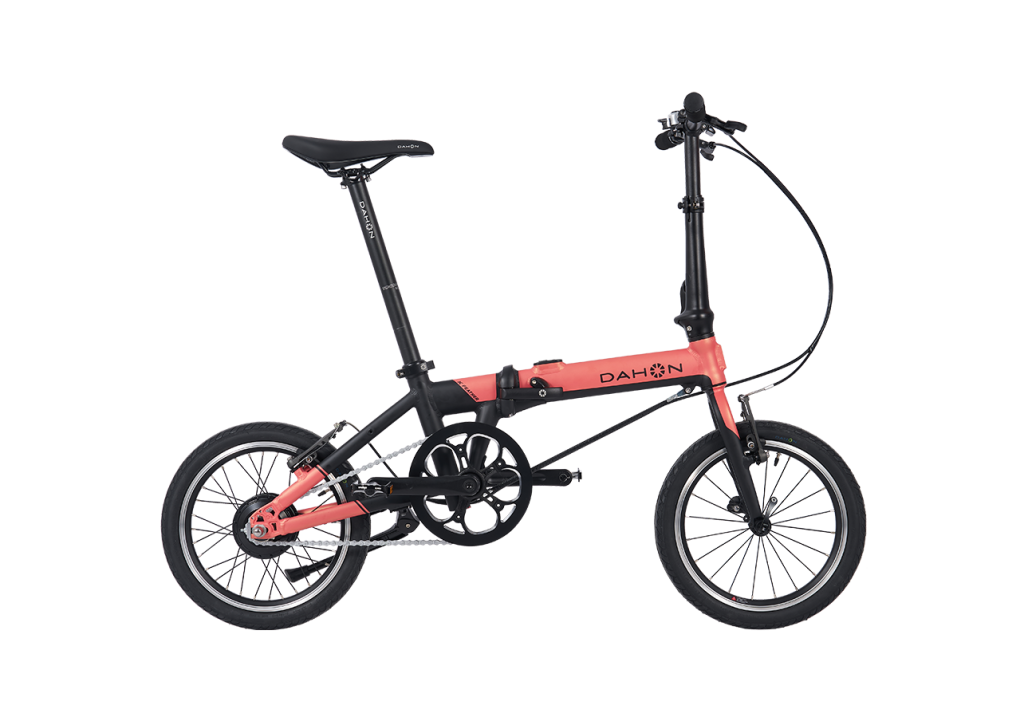
The engineering behind folding mechanisms makes these bikes extraordinarily practical for multi-modal travel scenarios. When folded, compact electric bikes occupy minimal space—comparable to a large suitcase—enabling seamless integration with trains, buses, and airplanes. This portability eliminates the transportation gap that typically exists between airports and city centers or between transit hubs and accommodations. You can easily store your bike in hotel rooms, hostel lockers, or vehicle trunks without requiring dedicated bike racks or external storage facilities. The folding design proves particularly valuable for travelers combining multiple transportation modes, as you transition smoothly from cycling to public transit without abandoning your bike or paying rental fees at each destination. Advanced hinge systems ensure quick deployment and collapse, typically requiring just seconds and no special tools. Models from manufacturers like DAHON Bicycles exemplify this engineering excellence, featuring refined folding mechanisms that have been perfected over decades of innovation. This efficiency means you maximize exploration time rather than spending hours managing transportation logistics.
Eco-Friendly and Cost-Effective Travel
Choosing a folding electric bike dramatically reduces your travel carbon footprint compared to taxi services, rental cars, or ride-sharing platforms. Each journey powered by electric motors and rechargeable batteries eliminates emissions associated with fossil fuels, contributing meaningfully to sustainable travel practices. Beyond environmental benefits, the financial advantages prove substantial for budget-conscious travelers. Daily bike rentals typically cost fifteen to thirty dollars per day, while electric bike ownership spreads costs across numerous trips. Battery charging expenses remain negligible—often just a few cents per full charge—compared to fuel or transportation service fees. Over extended travel periods or frequent journeys, these savings accumulate significantly, freeing up budget for experiences, accommodations, and local dining rather than transportation expenses. The minimal maintenance requirements further reduce long-term costs, as electric bikes require far fewer repairs than traditional vehicles. This alignment with sustainable travel trends appeals to environmentally conscious explorers seeking to minimize their ecological impact while maintaining travel flexibility and independence.
Enhancing Exploration with Electric Assist
Electric assist technology fundamentally changes how you experience destinations by eliminating physical limitations that traditionally constrain travel. Steep hills that would exhaust conventional cyclists become manageable challenges, while longer distances become accessible without requiring exceptional fitness levels. This capability proves invaluable when exploring unfamiliar terrain, as you can venture further from main tourist areas to discover authentic neighborhoods and hidden attractions. The electric motor reduces fatigue, allowing you to explore multiple locations daily without arriving exhausted or requiring extensive rest periods. Urban travelers navigate traffic-congested streets more efficiently, while rural explorers tackle variable terrain with confidence. Families traveling together benefit from adjustable assistance levels, enabling younger or less experienced riders to maintain pace with stronger cyclists. The enhanced mobility transforms travel experiences from logistically constrained itineraries into spontaneous adventures where physical limitations no longer determine your exploration scope or destination accessibility.
Choosing Your Ride: Key Features and Top Recommendations
Selecting the right folding electric bike requires understanding your specific travel needs and evaluating models against practical criteria. Travel-focused buyers must balance portability with performance, ensuring their chosen bike delivers reliable assistance across varied terrains while remaining genuinely compact for transportation. The market offers diverse options catering to different budgets, fitness levels, and destination types. Rather than defaulting to the first available model, taking time to evaluate essential features ensures you invest in a bike that enhances rather than complicates your travels. This section guides you through critical decision factors, introduces well-regarded models suited for adventurers, and provides actionable steps for making an informed purchase that aligns with your travel style and logistics.
Essential Features to Evaluate
Battery range represents your primary consideration, as it determines how far you can travel between charges. Look for bikes offering 30-50 miles per charge for typical day trips, though your actual range depends on terrain, assistance level, and rider weight. Motor power, typically measured in watts, affects hill-climbing capability and acceleration—250-500 watts suits most travelers, balancing performance with battery efficiency. Folded dimensions matter significantly for air travel and storage; aim for bikes collapsing to approximately 30x20x10 inches. Weight influences portability; competitive models weigh 35-50 pounds when complete, manageable for most travelers though heavier when folded. Examine hinge quality and materials, as robust mechanisms withstand repeated folding without loosening or breaking. Tire type affects ride comfort and terrain versatility—wider, knobby tires provide better grip on varied surfaces, while thinner tires roll faster on pavement. Test adjustability features including seat height and handlebar position, ensuring comfortable positioning for your body type. Braking systems matter for safety; hydraulic disc brakes offer superior stopping power compared to mechanical alternatives, particularly valuable when descending unfamiliar hills or navigating crowded urban streets.
Top Picks for Travel Enthusiasts
Entry-level options under $1,000 provide reliable performance for budget-conscious travelers beginning their electric bike journey. These models typically feature 250-watt motors, 30-40 mile ranges, and proven folding mechanisms, making them ideal for urban exploration and moderate distances. Mid-range bikes between $1,000-$2,000 offer enhanced battery capacity, more powerful motors, and premium components that justify investment for frequent travelers. These models handle diverse terrains and longer daily distances while maintaining reasonable portability. Premium offerings exceeding $2,000 deliver cutting-edge technology, superior build quality, extended range capabilities, and refined riding experiences. These bikes suit adventurers tackling challenging landscapes or spending extended periods traveling without frequent charging access. Rather than specific model recommendations with parameters, focus your evaluation on bikes meeting your range requirements, fitting your destination terrain profile, and matching your folding storage capacity constraints. Visit local retailers offering test rides, allowing you to experience folding mechanisms firsthand and assess comfort before committing financially.
Practical Buying Tips
Before purchasing, research your airline’s specific folding bike policies, as regulations vary regarding dimensions, weight, and battery specifications. Contact your preferred carriers directly to confirm acceptance, preventing costly surprises at airports. Visit reputable retailers with solid warranty coverage and customer support, prioritizing shops offering post-purchase assistance for maintenance questions or technical issues. Test the folding mechanism multiple times, ensuring it operates smoothly without requiring excessive force or tools. Verify that folded dimensions genuinely fit your planned luggage or storage scenarios—measure your hotel room closets or vehicle trunks beforehand. Check battery specifications for compatibility with international electrical standards if traveling internationally, as voltage differences may require converters. Inspect build quality by examining welds, hinge points, and component connections, looking for signs of quality craftsmanship. Consider starting with rental options in your home city to experience folding electric bike travel before investing substantially, helping you identify preferences and requirements. Purchase from retailers offering trial periods, allowing you to evaluate real-world performance before finalizing your commitment. Invest in quality locks and carrying cases simultaneously, recognizing these accessories enhance your travel experience and protect your investment.
On the Go: Essential Tips for Traveling with a Folding E-Bike
Packing and Transport Strategies
Mastering the folding and unfolding process transforms your bike from travel companion to exploration tool seamlessly. Practice the mechanism several times before your trip, developing muscle memory that makes deployment intuitive even when tired or rushed. Most quality folding bikes require just 15-30 seconds to collapse or expand without tools, though familiarity accelerates this process considerably. Invest in a dedicated carrying case or protective bag, protecting your bike from airport baggage handlers and preventing damage to other luggage. Hard-shell cases offer maximum protection for frequent flyers, while padded soft cases provide adequate protection with reduced weight for occasional travelers. When checking your bike on airplanes, deflate tires partially to prevent bursting from cabin pressure changes, and remove pedals or rotate them inward to minimize space and prevent damage. Label your bike case clearly with contact information, ensuring airline staff can reach you if questions arise during handling. On public transit, fold your bike completely and hold it upright or place it in designated bike areas, respecting other passengers’ space. When traveling by car, secure your folded bike in the trunk with bungee cords or straps, preventing movement during acceleration or braking that could cause damage or injury.
Navigating Destinations Smoothly
Your folding electric bike excels as a last-mile connectivity solution, bridging gaps between airports, train stations, and accommodations that would otherwise require expensive taxis or rideshares. Upon arriving at new destinations, unfold your bike in a safe location away from traffic, then use it to explore your immediate surroundings and locate essential services like grocery stores, pharmacies, and restaurants. Store your bike securely at hotels by requesting ground-floor rooms with closets or requesting permission to store it in staff areas, avoiding hallway placement that violates fire codes or bothers other guests. At attractions and restaurants, use sturdy U-locks securing your frame to fixed objects, never leaving your bike unattended without locking. Research local traffic rules and cycling regulations before riding, as bike lanes, helmet requirements, and traffic signal compliance vary significantly between countries and cities. Many destinations offer bike-friendly apps showing safe routes and bike parking locations, helping you navigate confidently through unfamiliar streets. Familiarize yourself with local cycling culture by observing how residents ride, noting their speed, positioning, and interaction with traffic. Carry your folding bike with you when entering establishments rather than leaving it outside unattended, protecting your investment and maintaining peace of mind throughout your travels.
Maintenance and Troubleshooting on the Road
Prepare for travel by performing basic maintenance checks before departure, inspecting tire pressure, brake responsiveness, and battery functionality to identify issues before leaving home. Pack a compact repair kit including tire patches, a portable pump, basic wrenches, and brake adjustment tools, addressing common mechanical issues without requiring professional shops. Monitor your battery charge carefully, charging overnight at accommodations and identifying charging locations during travel days to prevent getting stranded. Most folding electric bikes feature standard charging ports compatible with common electrical outlets worldwide, though international travelers should verify voltage compatibility and consider portable converters for regions with different electrical standards. Download your bike manufacturer’s support documentation and troubleshooting guides to your phone, providing reference material when connectivity is limited. Join online folding electric bike communities before traveling, gaining access to experienced riders who can offer advice for specific destinations or mechanical challenges. Locate bike repair shops in major cities you’re visiting, noting their locations and hours for emergency situations. Many issues like loose connections, minor brake adjustments, or tire pressure problems resolve through simple interventions, preserving your confidence and independence while traveling. If major mechanical failures occur, contact your bike’s manufacturer support line or authorized dealers, many offering remote troubleshooting or shipping replacement components to your travel location.
Transform Your Travel with Portable Mobility
Folding electric bikes represent a transformative solution for modern travelers seeking independence, affordability, and environmental responsibility. Throughout this exploration, we’ve examined how these innovative machines address fundamental travel challenges—from navigating congested cities to conquering varied terrain without physical exhaustion. The portability advantage eliminates traditional transportation gaps between transit hubs and destinations, while substantial cost savings and minimal environmental impact align perfectly with contemporary travel values. Selecting the right model requires evaluating battery range, motor power, folding dimensions, and build quality against your specific destination profiles and travel frequency. Whether you’re a budget-conscious backpacker, a business professional optimizing urban mobility, or an adventure seeker exploring remote landscapes, a folding electric bike adapts seamlessly to your travel style. The practical strategies for packing, navigating new destinations, and addressing maintenance challenges ensure your bike remains a reliable companion throughout your journeys. By embracing this portable transportation solution, you reclaim control over your exploration pace, route selection, and adventure scope. The combination of convenience, sustainability, and enhanced mobility transforms travel from logistically constrained itineraries into spontaneous, empowering experiences. As travel continues evolving toward more sustainable and flexible approaches, folding electric bikes emerge as essential tools for explorers prioritizing authentic experiences, meaningful connections, and responsible environmental stewardship. Your next great adventure awaits—powered by innovation, guided by independence, and enhanced by the freedom only a folding electric bike can provide.
