

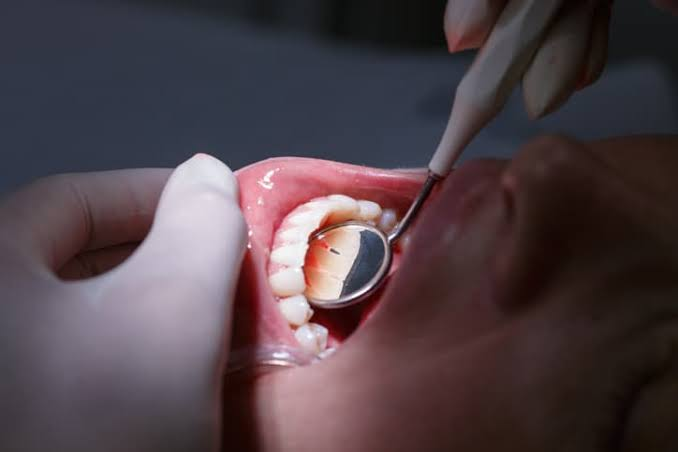
Your gums usually do not ask for much attention until something feels off. A little blood in the sink, tenderness when you floss, bad breath that keeps coming back, a spot that looks puffy or darker than usual. It is easy to brush those signs aside, especially when life is busy and nothing hurts enough to force the issue. That is how gum problems often grow. They start quietly, and by the time they feel serious, the damage can be harder and more expensive to fix. If you notice these warning signs, visiting your local Santa Rosa office for modern dental care can help you address problems early.
A general dentist helps catch those changes early, before mild inflammation turns into gum disease, loose teeth, or bone loss. Regular exams and cleanings do more than keep your teeth looking clean. They protect the tissue that holds everything in place. Healthy gums are not a cosmetic extra. They are the foundation of your oral health.
General dentistry protects your gums before small problems become lasting damage
Gum disease often begins with plaque, a sticky film of bacteria that builds up along the gumline. If it is not removed well at home and during routine cleanings, it can harden into tartar. Once tartar forms, brushing and flossing alone cannot remove it. The gums get irritated, then inflamed, then infected. According to the CDC’s overview of gum and periodontal disease, gum disease is common and can lead to tooth loss if it is not treated.
You may think, “My teeth feel fine, so I am probably okay.” That is the trap. Early gum disease, often called gingivitis, may cause redness, swelling, or bleeding, but it does not always cause pain. When those signs get ignored, the condition can progress to periodontitis. At that stage, the infection reaches deeper tissues and the bone supporting your teeth. That can mean gum recession, shifting teeth, and treatment that is far more involved than a routine cleaning.
This is where a general dentist matters. During regular visits, a dentist checks for early inflammation, plaque buildup, tartar deposits, gum pocket changes, and areas you cannot easily see on your own. A general dentist for gum health does not just react to damage. The goal is to prevent it.
Routine dental care supports healthy gums in ways home care cannot
Brushing twice a day and flossing matter. They are the baseline, not the full plan. Even people with solid habits miss spots, brush too hard, skip flossing when they are tired, or use products that do not fit their needs. If you have crowded teeth, dental work, dry mouth, or smoke, your risk goes up. Some health conditions, including diabetes, can also raise the chance of gum disease.
The National Institute of Dental and Craniofacial Research explains that gum disease is caused by bacteria in plaque and can worsen when risk factors stack up. That is why routine dental care for gums is not just about “clean teeth.” It is about removing what daily brushing leaves behind, measuring gum health over time, and adjusting care before a minor issue becomes a bigger one.
Think about the real life version of this. You notice light bleeding when you floss and stop flossing that area because it feels sore. The plaque stays, the gums get more inflamed, and the bleeding gets worse. Or you put off a cleaning for a year because money is tight, then find out you need deep cleaning treatment instead of a standard preventive visit. Delaying care often costs more, and not just financially. It can mean more appointments, more discomfort, and more stress.
General dental visits help identify gum disease early and lower treatment costs
Early detection changes the whole picture. Gingivitis can often improve with better home care and professional cleanings. Advanced periodontal disease may require scaling and root planing, more frequent maintenance visits, or referral to a specialist. The NIH health topic page on gum disease makes the progression clear. Early care is simpler. Late care is heavier.
That is one reason gum disease prevention belongs in every regular dental visit. A general dentist looks at the pattern over time. Are your gums receding in one area because of brushing pressure? Is there lingering inflammation around an old crown? Are there signs of grinding that are putting stress on the tissues? These details matter because gum health is rarely about one isolated problem.
| Approach | What It Helps With | Limits |
| Brushing and flossing at home | Reduces daily plaque, freshens breath, supports gum health between visits | Cannot remove tartar, easy to miss areas, does not measure gum changes |
| Routine cleaning with a general dentist | Removes tartar, checks for bleeding and inflammation, catches early gum disease | Works best when done consistently and paired with home care |
| Delayed treatment after symptoms worsen | Addresses more advanced disease when it becomes obvious | Higher cost, more time, greater risk of recession, bone loss, or tooth loss |
Small daily choices and regular dental care work together to keep gums stable
You do not need a complicated routine. You need a realistic one that you can stick with. The strongest results usually come from simple habits done consistently, paired with regular checkups. General dentistry gives structure to that process. It keeps your home care honest, fills in the gaps, and helps you respond early when your gums start to change.
If you have ever felt embarrassed about bleeding gums or skipped an appointment because you assumed the problem was your fault, you are not alone. Gum disease is common. What matters now is not blame. It is catching the issue and getting steady care.
1. Pay attention to the early signs.
Bleeding when brushing or flossing, bad breath that does not improve, gum tenderness, swelling, recession, and loose teeth all deserve attention. Do not wait for pain.
2. Keep preventive dental visits on schedule.
A general dentist can spot changes you may not notice at home and remove tartar before it fuels deeper infection. Preventive visits are often the simplest way to protect both your gums and your budget.
3. Clean your gumline gently and consistently.
Brush twice a day with a soft bristle toothbrush, angle the bristles toward the gumline, and floss daily. If something keeps bleeding, do not avoid it for weeks. Get it checked.
Your gums can recover from a lot when problems are found early. Regular care, clear guidance, and a consistent routine go a long way. If you have noticed signs of irritation or it has been a while since your last visit, schedule an appointment with a general dentist and get ahead of the problem before it becomes harder to treat.
