

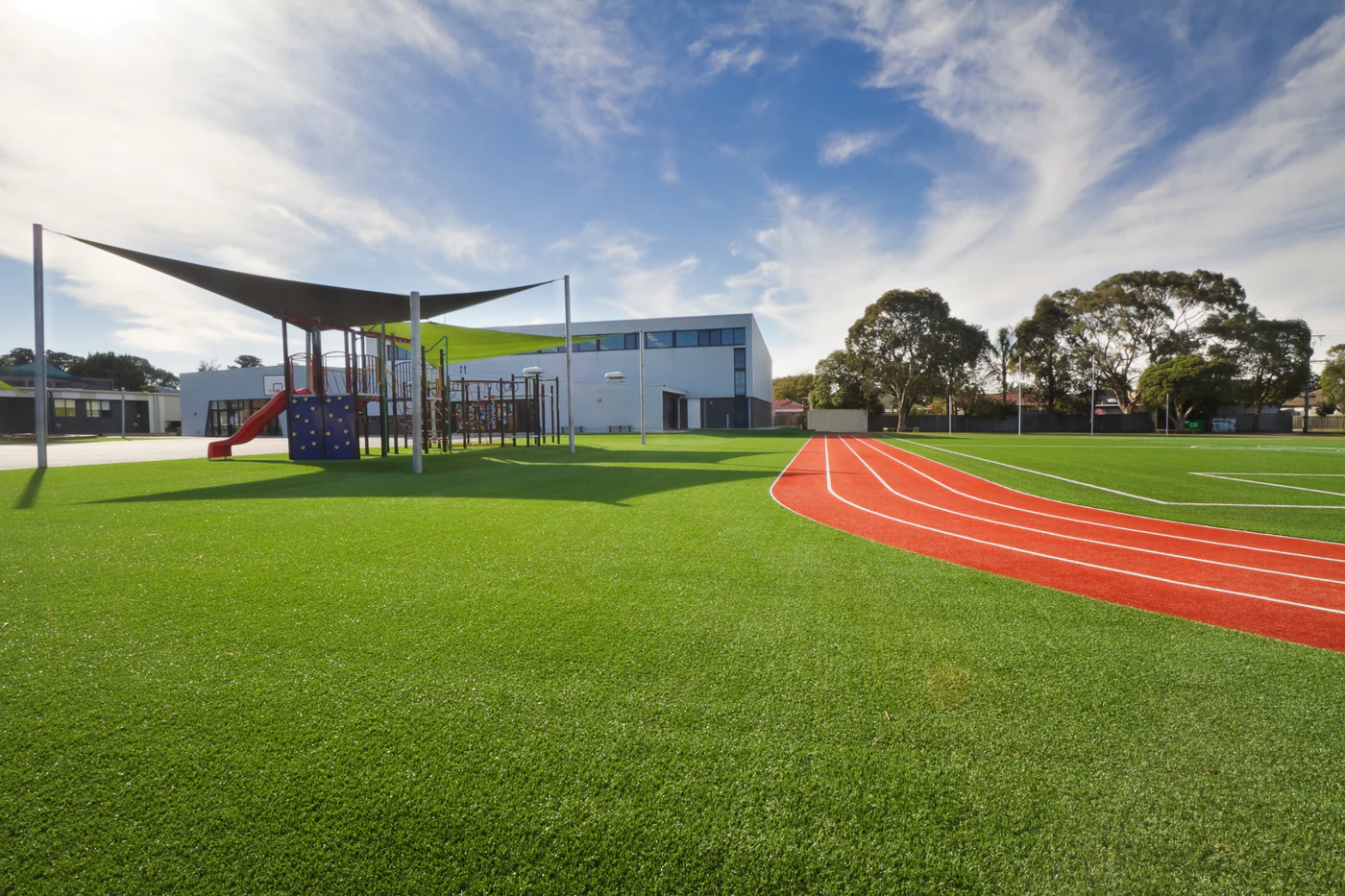
Green spaces are changing. Across schools, universities, sports complexes, and residential developments, natural grass is steadily being replaced by a more durable, low-maintenance alternative. Property owners and facility managers are discovering that artificial turf solves many of the headaches that come with real lawns — constant watering, mowing, patchy growth, and mud after every rainstorm. This shift has made the search for a reliable provider offering รับติดตั้งหญ้าเทียม (artificial turf installation services) more common than ever, especially among institutions that need long-term, low-upkeep solutions for large outdoor areas.
This article looks at why artificial turf has become a preferred choice for educational campuses, sports facilities, and real estate projects, and what to consider when planning an installation.
The Rising Demand for Artificial Turf in Institutional Spaces
Schools and universities are under constant pressure to maintain safe, attractive, and functional outdoor areas — often with limited budgets and staff. Natural grass fields require frequent irrigation, fertilizing, and mowing, and they can quickly become worn out or muddy with heavy student traffic. Artificial turf offers a practical alternative:
- Consistent, green appearance throughout the year regardless of weather
- No need for mowing equipment, water systems, or pesticide use
- Safer, more even playing surface for physical education and recess activities
- Lower long-term maintenance costs compared to natural lawns
For campus planners, choosing a provider experienced in รับติดตั้งหญ้าเทียม means the transition from natural grass to synthetic surfaces can be handled with minimal disruption to daily school operations.
จัดสวนหญ้าเทียม: A Landscaping Solution for Every Property Type
Beyond sports fields, artificial grass has also become a popular landscaping material. จัดสวนหญ้าเทียม (artificial grass landscaping) is now used in courtyards, rooftop gardens, entrance areas, and common spaces within residential and commercial developments. Real estate developers in particular benefit from this approach because it allows a property to maintain a clean, green aesthetic without depending on soil quality, sunlight exposure, or seasonal changes.
Some of the advantages landscapers and developers commonly cite include:
- Flexibility to install on balconies, rooftops, or shaded areas where real grass struggles to grow
- Reduced water consumption, which supports sustainability goals in new developments
- A neat, uniform look that photographs well for property marketing and resale value
- Durability against foot traffic in shared community spaces
Because artificial grass landscaping projects vary in scale — from small garden patches to entire building perimeters — working with an experienced team helps ensure the base preparation, drainage, and turf selection match the intended use of the space.
สร้างสนามฟุตบอลหญ้าเทียม: Meeting the Needs of Sports Complex Developers
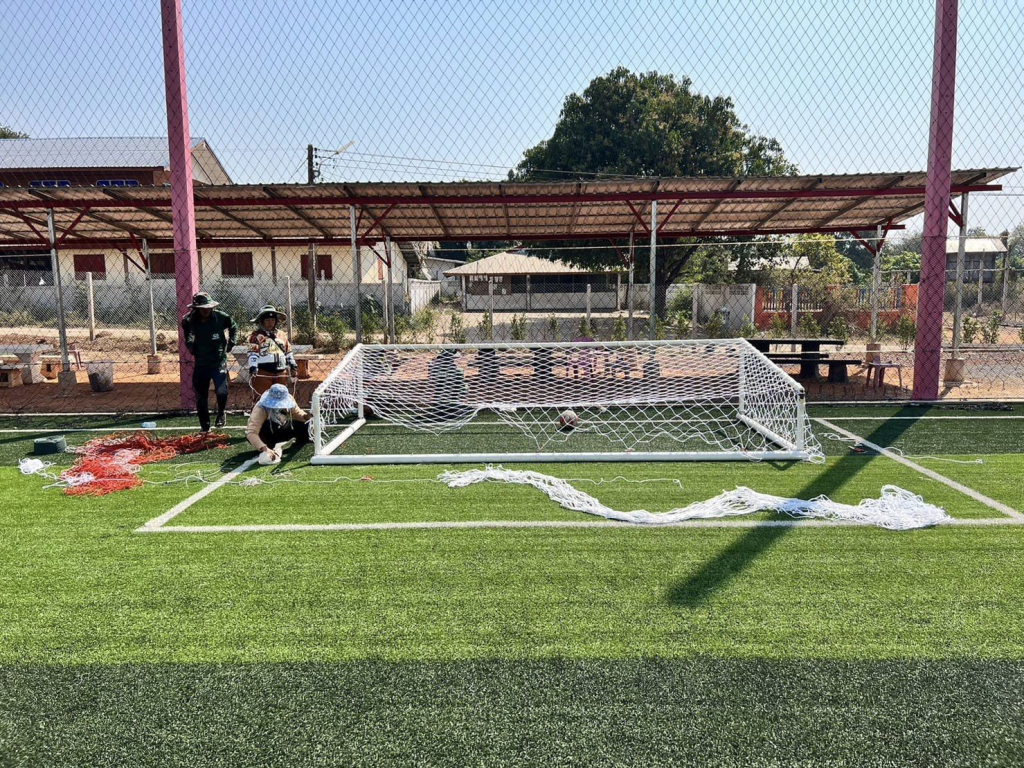
Football remains one of the most widely played sports, and demand for accessible, well-maintained fields continues to grow. Developers planning to สร้างสนามฟุตบอลหญ้าเทียม (build an artificial football field) are typically looking for a surface that can withstand frequent use, varying weather conditions, and the physical demands of competitive play.
Artificial football fields offer several practical benefits for sports complex operators:
- Consistent playing conditions regardless of rain or drought
- Faster turnaround between matches or training sessions since there’s no recovery period needed for grass regrowth
- Lower long-term operational costs, since irrigation and reseeding are no longer required
- The ability to host more events and bookings due to the field’s year-round durability
For developers managing multiple facilities or planning a new sports complex from the ground up, synthetic turf fields can be a cost-effective way to maximize field usage while keeping maintenance overhead low.
What to Consider Before Installation
Whether the project involves a school playground, a landscaped courtyard, or a full-size football pitch, a few factors typically influence the outcome of an artificial turf project:
- Base preparation – Proper leveling and drainage prevent water pooling and uneven surfaces later on.
- Turf density and pile height – Different applications (walkways, sports fields, decorative lawns) call for different turf specifications.
- Expected foot traffic – High-use areas like football fields need more durable, impact-resistant turf compared to decorative landscaping.
- Local climate – Heat resistance and UV-stable materials matter in tropical or high-sun environments.
Taking these details into account early in the planning stage helps avoid costly adjustments after installation and ensures the turf performs well for years to come.
A Practical, Long-Term Investment
From school campuses to large-scale sports complexes and real estate developments, artificial turf continues to prove itself as a practical solution for spaces that need to look good and function well without heavy ongoing maintenance. Whether the goal is a functional playing field, an attractive landscaped area, or a combination of both, the right turf installation approach can make a lasting difference in how a space is used and maintained.
Teamturfs has worked across a range of these projects, supporting schools, developers, and facility managers looking for dependable turf solutions suited to their specific needs. For those exploring options for their next project, learning more about available turf types and installation approaches is a useful first step.
Learn more: https://www.teamturfs.com/
Contact US
Address:99/96 Moo 18, Khlong Nueng Subdistrict, Khlong Luang District, Pathum Thani 12120, Thailand.
Phone:+6689 689 8288
Email:seneenama@gmail.com
Website:https://www.teamturfs.com/
