

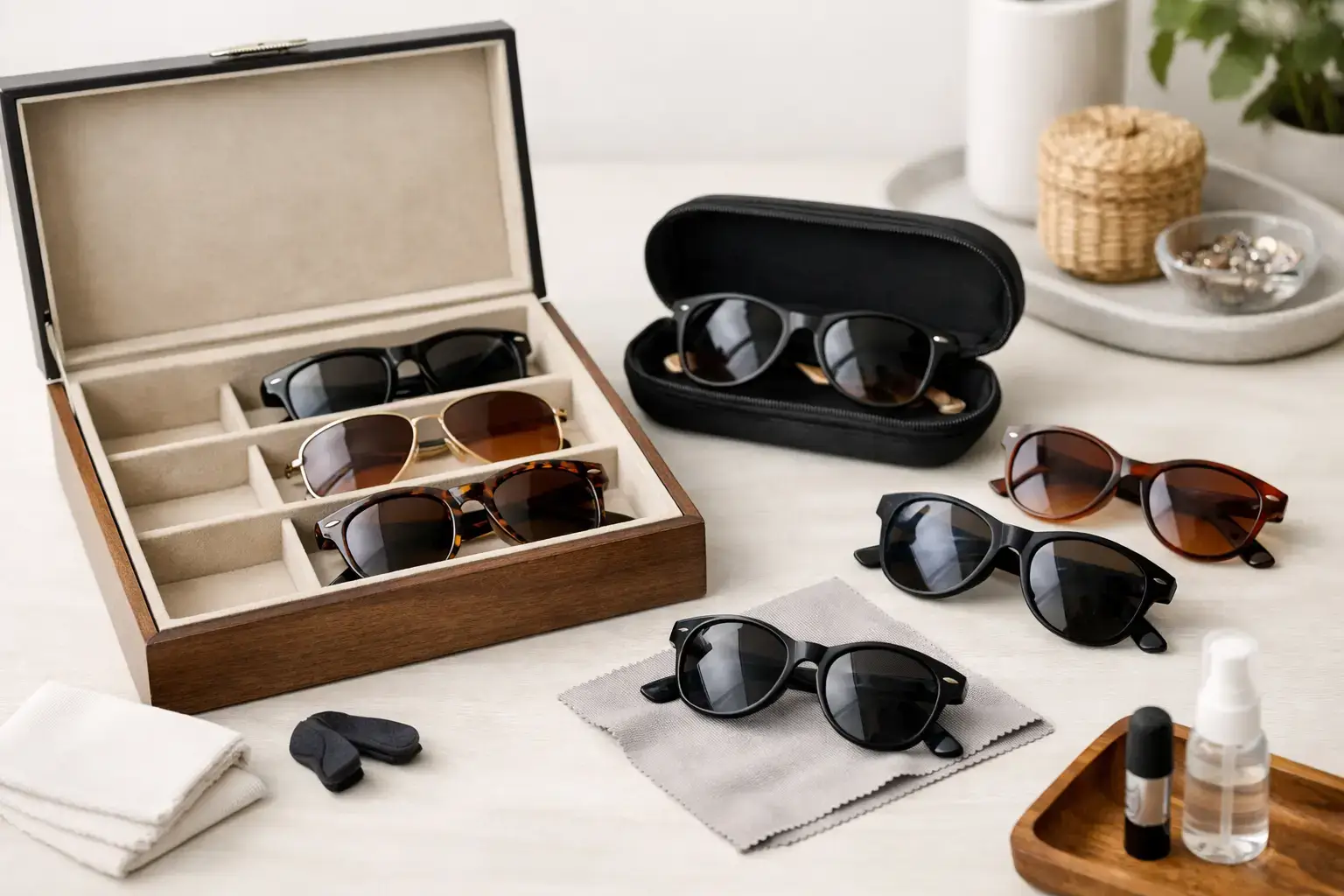
Most men own more than one pair of shoes because different situations call for different designs. Running shoes make sense for a workout, boots have their place outdoors, and casual sneakers handle everyday errands. Sunglasses can be approached in much the same way.
Instead of expecting one pair to work perfectly for driving, fishing, running, traveling, and social occasions, building a small sunglasses rotation can make everyday life more comfortable. The key isn’t owning dozens of pairs. It’s choosing a few that each have a clear purpose.
Think About Sunglasses as Everyday Equipment
Sunglasses often get categorized as accessories, but that description doesn’t tell the whole story. For anyone who spends significant time outside, they are functional equipment as well.
Consider how many situations involve bright sunlight or reflective surfaces during an ordinary week. Morning commutes, weekend yard projects, afternoons on the water, outdoor workouts, sporting events, and vacations can all involve very different environments.
The features you appreciate while fishing might not be the ones you prioritize when heading to dinner. Similarly, large frames that offer substantial coverage may feel perfect for an afternoon outdoors but aren’t necessarily what you want for every social occasion.
Thinking about intended use first helps narrow the options.
Start With a Reliable Everyday Pair
The foundation of a useful rotation is an everyday pair you can wear without thinking too much about it.
Versatility matters here. Neutral frame colors such as black, gray, brown, or tortoise-inspired finishes can work with a broad range of casual clothing. Classic frame shapes are equally easy to incorporate into a wardrobe.
Fit should be a major consideration. Everyday sunglasses may stay on your face for several hours, so small comfort problems can become significant. Excessive pressure at the temples, a bridge that constantly slides, or frames that feel unusually heavy can all become irritating.
When shopping, consider:
- Frame width relative to your face
- How securely the bridge sits on your nose
- Temple length and pressure behind the ears
- Overall weight
- Lens coverage
- Whether the frame remains comfortable after extended wear
It can also be useful to compare multiple sizes instead of assuming a standard frame will work. Men with wider faces, in particular, may find that larger or XL frames provide a more natural fit.
Add a Pair for High-Glare Environments

Your second pair can be more specialized.
If weekends regularly involve boating, fishing, beaches, lakes, or long drives, polarized sunglasses are worth considering. Polarization is designed to reduce reflected glare from surfaces such as water and pavement.
That makes polarized lenses especially relevant when reflected light becomes distracting.
A specialized pair doesn’t have to look purely technical, either. Modern eyewear comes in a broad selection of frame shapes, sizes, colors, and lens finishes. Browsing men’s sunglasses by Detour illustrates the range available, from classic everyday shapes to wraparound and larger-frame options intended for different preferences and activities.
The broader lesson is to shop according to where you’ll actually use the sunglasses rather than choosing entirely by appearance.
Consider an Activity-Specific Pair
Men who run, cycle, hike, fish, hunt, or regularly participate in outdoor sports may benefit from making the third pair in their rotation activity-specific.
Movement changes what makes sunglasses comfortable.
A pair that feels perfectly secure while walking through town might begin slipping during a sweaty summer run. Frames suitable for driving may not provide the coverage you prefer while cycling. Outdoor sports can also place eyewear in situations where durability becomes more important.
Look for Stability Without Excess Pressure
Secure doesn’t have to mean tight.
Ideally, activity-oriented sunglasses should remain stable as you move without creating uncomfortable pressure around the head. Lightweight construction can also become valuable during longer sessions because you’re less likely to notice the eyewear.
Coverage is another consideration. Larger lenses and wraparound designs may appeal to people who want a broader field of coverage for outdoor activities.
Your exact priorities should reflect the activity. A runner and an angler may both want polarized sunglasses, for example, while caring about very different aspects of frame shape and fit.
Use Style to Create Variety
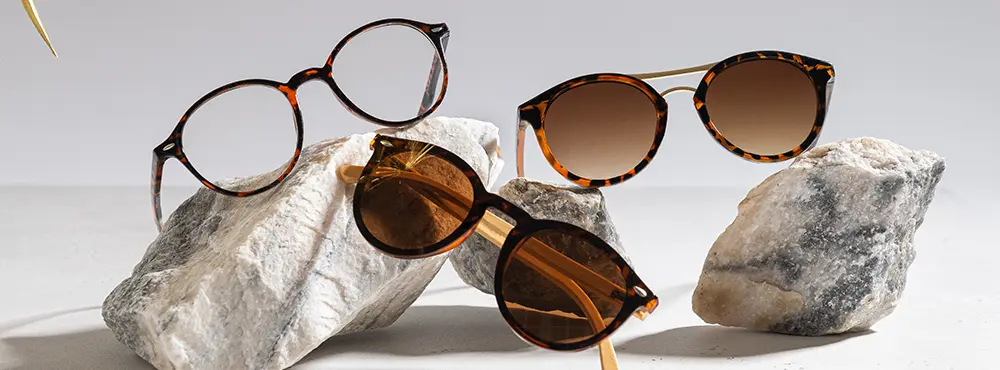
Function can determine which pairs enter your rotation, but style is what keeps them from feeling repetitive.
Sunglasses are one of the simplest ways to change the character of an outfit. A classic dark rectangular frame can create a very different impression from an aviator, brightly mirrored lens, or oversized sport-inspired design.
You don’t need every pair to be conservative simply because you want versatility.
A practical strategy is to make the everyday pair relatively neutral and allow specialized pairs to have more personality. Someone who normally wears black frames might choose blue, green, gold, or red-toned lenses for a weekend pair.
Different frame shapes can create variety as well. Rectangle, round, aviator, geometric, full-frame, and wraparound styles each have a distinct visual character.
Personal preference ultimately matters more than rigid fashion rules. If you enjoy wearing a particular shape and it fits comfortably, that’s far more valuable than selecting something solely because a style guide says it suits you.
Don’t Ignore the Problem of Sunglasses Storage
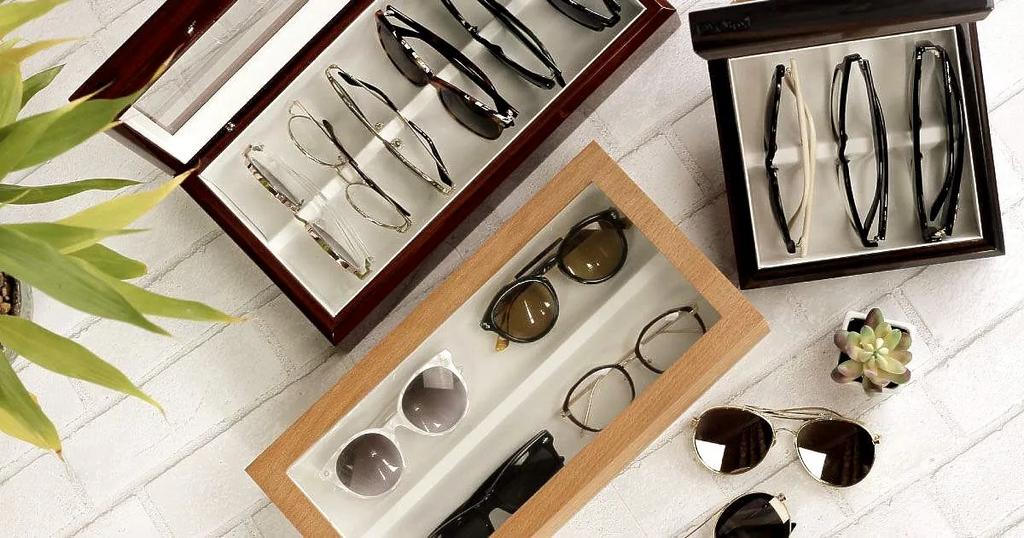
Owning several pairs creates one practical challenge: remembering where you put them.
A simple solution is to assign each pair a home.
Keep driving sunglasses in a protective case somewhere convenient for your commute. Store workout sunglasses with the gear you use for running or cycling. Keep your everyday pair near your wallet, keys, or another item you rarely leave home without.
Protective storage is worthwhile because sunglasses often become damaged when they aren’t being worn. Keys, loose objects, sand, and hard surfaces can all scratch lenses or frames.
Cleaning habits matter, too. If lenses have collected dust or grit, avoid aggressively wiping them while dry. Keeping an appropriate lens cloth in your case makes proper care much easier.
Replace the Search for “Perfect” With “Right for the Job”
Trying to find one perfect pair of sunglasses can make shopping unnecessarily complicated.
The better question is whether a particular pair is right for what you intend to do with it.
Your everyday sunglasses might prioritize understated styling and comfort. Your fishing pair could prioritize polarization and coverage. Your running sunglasses could emphasize low weight and a secure fit. A travel pair might simply be versatile enough to move from sightseeing during the afternoon to an outdoor restaurant in the evening.
Once every pair has a role, purchasing decisions become much easier.
Conclusion
A practical sunglasses collection doesn’t need to fill an entire drawer. For many men, a thoughtfully selected rotation of two or three pairs can cover most situations.
Begin with comfortable everyday sunglasses, then consider where your routine creates more specialized requirements. Frequent time around water may make glare reduction especially useful, while runners and cyclists may prioritize stability and lightweight construction. Style-focused pairs can add variety without sacrificing practical considerations such as fit and lens coverage.
The objective isn’t to own more for the sake of owning more. It’s to have the right pair available when the situation changes. Approach sunglasses the same way you approach other useful gear—choose according to purpose, comfort, and personal style—and every pair in your rotation can earn its place.
