

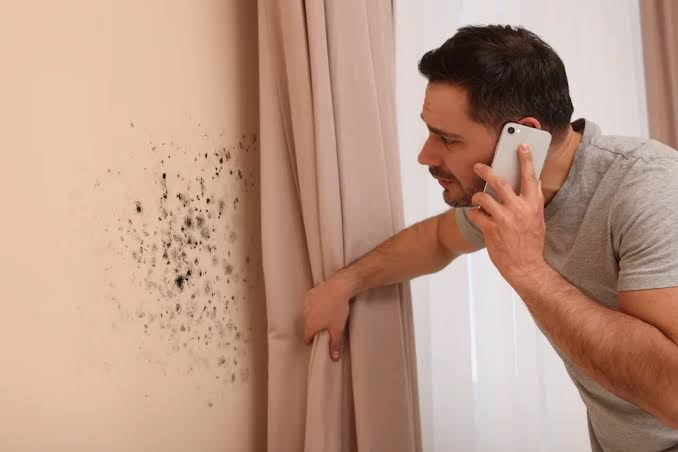
A home should be a place where people feel comfortable and protected, but hidden moisture problems can sometimes compromise indoor conditions without being immediately noticeable. A persistent musty smell, recurring condensation, peeling paint, or unexplained water stains may indicate an underlying moisture issue that deserves attention.
Mold can develop when moisture remains on building materials for extended periods. In Florida, where humidity, heavy rainfall, and storm-related water intrusion are common concerns, homeowners have good reason to pay attention to damp areas and signs of water damage.
Understanding the source of a suspected problem is often more useful than simply treating visible discoloration. A professional inspection can help homeowners assess the situation, identify potential moisture sources, and determine whether further testing is appropriate.
Why Mold Problems Can Be Difficult to Identify
Mold does not always grow in obvious places. While it may appear as dark, green, or white patches on walls and ceilings, growth can also occur behind cabinets, beneath flooring, around plumbing fixtures, or inside other concealed areas affected by moisture.
Sometimes, the first indication is an earthy or musty smell. In other cases, a household may notice repeated dampness or damage that returns after cosmetic repairs.
These signs do not automatically confirm mold growth. Similar symptoms can result from other building or ventilation problems, which is why it is important to investigate the underlying cause rather than rely on appearance alone.
Common Sources of Indoor Moisture
Several conditions can contribute to persistent dampness in residential and commercial buildings:
- Leaking pipes, faucets, or plumbing connections
- Roof damage and water intrusion after storms
- Poor drainage around the property
- Air-conditioning condensation or drainage problems
- High indoor humidity
- Flooding or water-damaged building materials
- Inadequate ventilation in bathrooms and other humid areas
Identifying and correcting moisture sources is central to preventing recurring mold problems. Cleaning visible growth without addressing the conditions that caused it may provide only temporary improvement.
Why Independent Mold Inspections Can Be Valuable
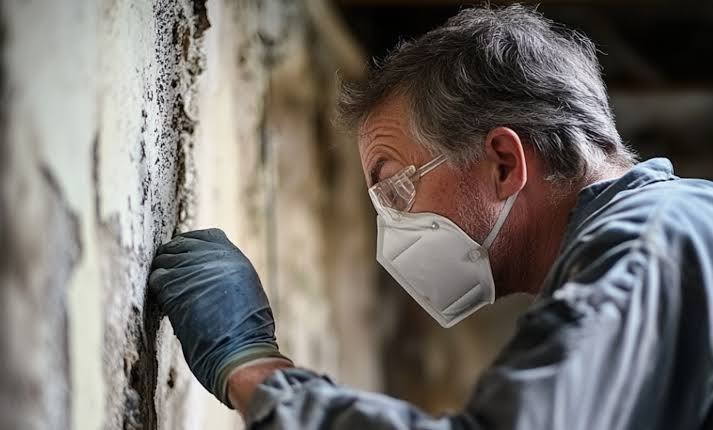
When homeowners suspect a mold issue, they may struggle to determine whether they need testing, repairs, professional cleaning, or simply better moisture control.
An independent inspection can help clarify the situation by focusing on assessment and evidence rather than automatically recommending a particular remediation service.
Homeowners researching Mold Inspection Sarasota can explore professional assessment options relevant to properties in the Sarasota area.
A thorough inspection may involve examining visible areas of concern, looking for moisture intrusion, evaluating indoor conditions, and determining whether sampling would provide useful additional information.
The precise scope depends on the property and the reason for the inspection. Not every situation requires laboratory testing, and testing alone cannot always establish the full extent or cause of a moisture problem.
What Happens During a Mold Inspection?
The inspection process typically begins with a discussion about the property’s history and the concerns that prompted the visit.
An inspector may ask whether the building has experienced flooding, roof leaks, plumbing failures, persistent odors, or previous water-damage repairs. These details can help guide the investigation.
Visual Assessment
A visual assessment looks for visible signs of water damage, suspected mold growth, condensation, and other conditions associated with excessive moisture.
Inspectors may pay particular attention to bathrooms, kitchens, utility areas, windows, air-conditioning systems, and locations where water has previously entered the building.
Moisture Investigation
Moisture measurement tools may help identify damp building materials or areas that require closer attention.
These readings need to be interpreted in context. Different construction materials behave differently, and a single measurement does not necessarily confirm mold growth.
Air or Surface Sampling
Depending on the circumstances, an inspector may recommend collecting air or surface samples for laboratory analysis.
Sampling can provide additional information, but results must be interpreted carefully. Mold spores can be present in indoor and outdoor environments, and a positive result does not automatically establish a health hazard or prove that extensive remediation is necessary.
The value of testing depends on the question being investigated and whether the results can meaningfully guide the next steps.
Understanding Laboratory Results
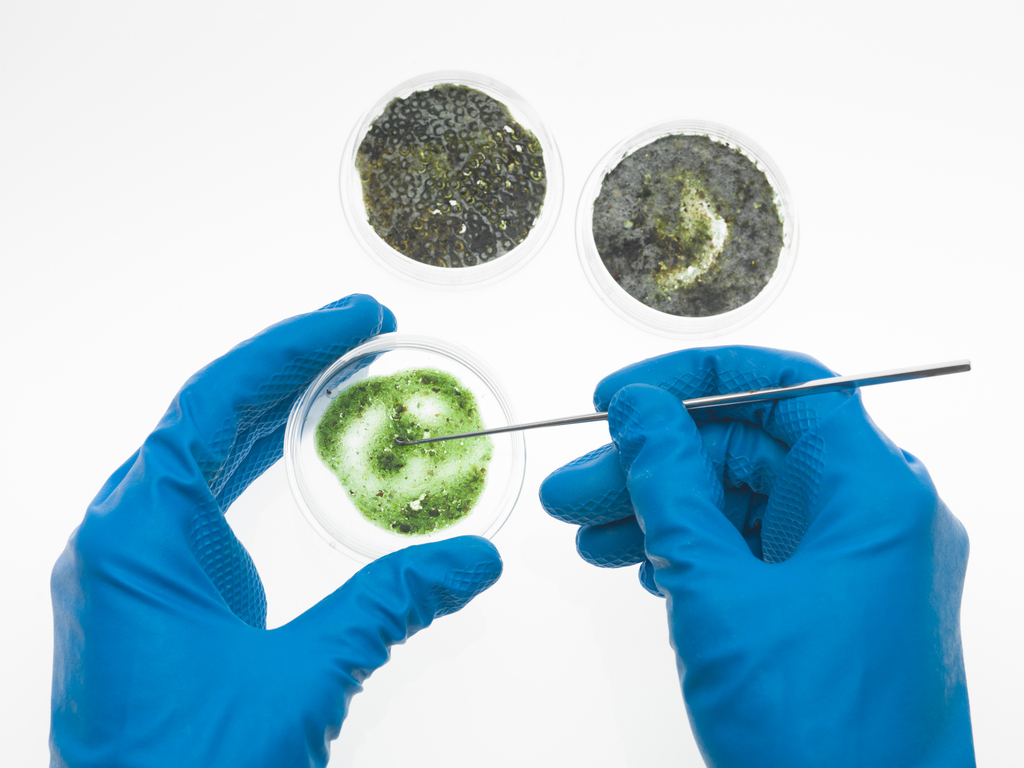
Laboratory reports can appear technical, particularly for homeowners who have never dealt with indoor environmental testing before.
A useful report should be explained in clear language, including what was sampled, which methods were used, and what conclusions can reasonably be drawn from the findings.
For air sampling, results may be considered alongside outdoor samples, the building’s condition, the sampling locations, and the reason for testing. Surface samples answer different questions and should not be interpreted in the same way as air samples.
It is also important to understand the limitations. There is no single universal numerical threshold that determines whether every building is safe or unsafe in all circumstances.
From my experience, clear communication is one of the most valuable parts of an inspection. Homeowners need to understand what the evidence indicates, what remains uncertain, and which practical actions are justified.
Mold Prevention in Florida’s Humid Climate
Even after a suspected mold issue has been investigated, moisture management remains important.
Florida’s climate can make humidity control particularly challenging, especially during warmer months or after periods of heavy rainfall.
Homeowners can reduce moisture-related risks by adopting a few practical habits.
Keep Indoor Humidity Under Control
Air-conditioning systems and dehumidifiers can help manage indoor humidity when used appropriately. Indoor relative humidity is generally best kept below 60%, with approximately 30% to 50% often recommended where practical.
Actual conditions vary, so monitoring indoor humidity can help identify persistent problems before they lead to visible damage.
Address Leaks Promptly
Roof leaks, plumbing failures, and damaged seals should be investigated as soon as possible. Wet materials should be dried promptly, and damaged materials may require removal if they cannot be adequately cleaned and dried.
After significant flooding or storm damage, professional advice may be appropriate, particularly when moisture has affected concealed areas.
Maintain Air-Conditioning Systems
Blocked condensate drains, poorly maintained equipment, and inadequate airflow can contribute to moisture problems.
Routine maintenance helps keep systems operating properly and can reveal drainage issues before they become more serious.
Improve Ventilation Where Needed
Bathrooms, kitchens, and laundry areas can produce considerable moisture. Appropriate exhaust ventilation and good airflow can help prevent humidity from accumulating on walls, ceilings, and other surfaces.
What Should Homeowners Do if Mold Is Found?
The appropriate response depends on the size and location of the affected area, the materials involved, and the source of moisture.
Small areas of mold on suitable hard surfaces may sometimes be cleaned using appropriate precautions. Larger affected areas, recurring growth, contaminated water damage, or mold involving porous materials may require professional assessment and remediation.
People should avoid disturbing extensive mold growth because doing so can spread spores and other particles into the surrounding environment. Anyone with asthma, significant allergies, or other health concerns may also need to take additional precautions.
Most importantly, the moisture source must be corrected. Otherwise, mold may return even after visible growth has been removed.
Choosing a Mold Inspector
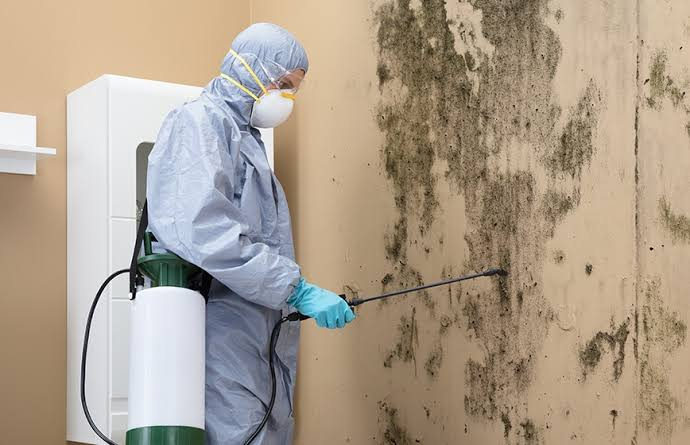
Not all inspection services offer the same approach, so homeowners should ask practical questions before arranging an appointment.
Consider whether the inspector explains the assessment process, describes when sampling is appropriate, provides understandable reports, and clearly distinguishes inspection from remediation.
Independence can also matter. If the same provider profits from selling extensive remediation work, homeowners may wish to understand how recommendations are made and whether alternative opinions are available.
Useful questions include:
- What areas will the inspection cover?
- Will moisture measurements be included?
- Is laboratory sampling necessary in this situation?
- Which laboratory will analyse any samples?
- What will the final report contain?
- Are recommendations supported by the inspection findings?
- Are inspection and remediation services financially separate?
Clear answers can help homeowners make informed decisions without feeling pressured into unnecessary work.
Final Thoughts
Mold concerns can be stressful, especially when the source of moisture is hidden or the available information is confusing. A careful inspection can help clarify the property’s condition, identify potential moisture problems, and establish whether additional testing or remediation is warranted.
For Sarasota property owners, managing humidity, repairing leaks, maintaining air-conditioning systems, and responding quickly to water damage are important parts of protecting a building over time.
The best approach is to rely on evidence rather than assumptions. By understanding the limits of testing, seeking clear explanations, and correcting moisture problems at their source, homeowners can make more confident decisions about maintaining healthier indoor environments.
