

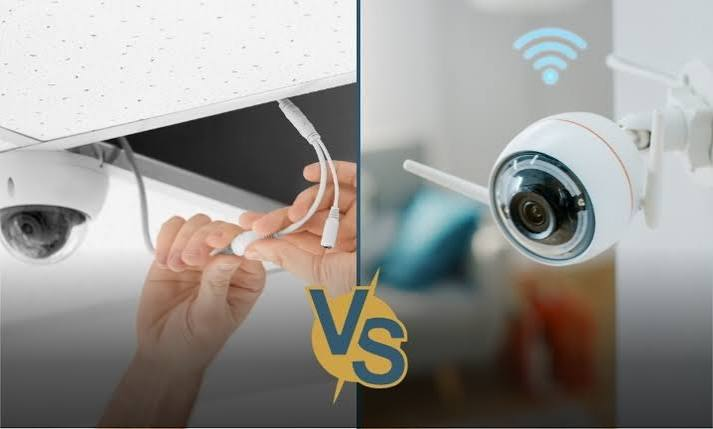
Every homeowner researching security cameras eventually runs into the same fork in the road: wired or wireless. It sounds like a simple technical distinction, but the choice actually ripples into installation cost, long-term maintenance, and even how the system performs during a power outage. Neither option is universally better, and the right answer depends heavily on the specific property and how the homeowner plans to use the system.
People moving into a newly built home with easy access to unfinished walls have very different constraints than someone in an older house with finished walls and limited attic access. Renters, meanwhile, often can’t modify a property at all, which pushes the decision in a particular direction regardless of personal preference. Working through the real tradeoffs, rather than just picking whichever option a friend recommended, leads to a setup that actually fits.
This comparison breaks down where each option genuinely wins so the decision comes down to fit rather than guesswork.
Installation Effort and Property Type
Wired systems require running cable from each camera back to a central recorder or power source, which is straightforward in new construction but can mean cutting into walls or fishing cable through tight spaces in an older home. This makes wired setups a natural fit for homeowners doing a renovation or new build, where the electrical work can happen alongside other construction anyway.
For everyone else, especially renters or homeowners who don’t want to modify their walls, wireless systems remove that barrier entirely. A camera can go up with a simple mounting bracket and be operational within minutes, with no consideration for where walls or conduits happen to run.
Multi-Camera Setups
The gap widens further with larger installations. Wiring six or eight cameras across a property is a significant undertaking that often benefits from professional installation, while adding the same number of wireless cameras is mostly a matter of checking signal strength at each location and mounting them one at a time, which most people can do without help.
Power Reliability and Outages
Wired cameras connected to a hardwired power source typically stay online during a power outage if paired with a battery backup on the recording system, since the camera itself draws minimal power. Wireless cameras running on batteries continue operating independent of the home’s electrical system, but they still depend on Wi-Fi, which usually requires a router that also needs power unless it’s on its own backup supply.
This is worth thinking through carefully for anyone in an area prone to power outages, since the weak link in either system is often not the camera itself but the network and recording infrastructure that supports it.
Battery Management for Wireless Systems
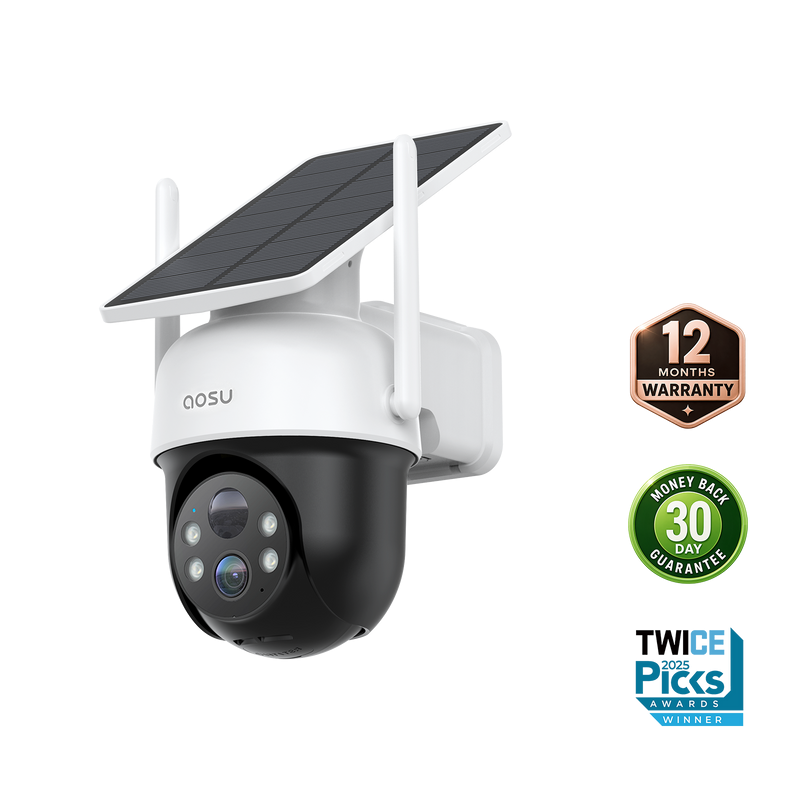
Choosing wireless security cameras means factoring in periodic battery charging or replacement as part of ongoing upkeep, something a hardwired system never requires. For households that want to avoid this maintenance step entirely, a wired setup removes the variable altogether, though at the cost of installation flexibility.
Video Quality and Streaming Consistency
Wired systems using dedicated cabling generally deliver more consistent video streams since they aren’t competing with other devices for Wi-Fi bandwidth. Wireless cameras depend on network conditions, so a household with many connected devices or a weak router in a large home may notice occasional lag or dropped frames, particularly with higher resolution streams.
For most residential setups this difference is minor, but for anyone running many cameras simultaneously or relying on continuous recording rather than motion-triggered clips, wired infrastructure tends to hold up better under sustained load.
Long-Term Cost Considerations
Wired systems often cost more upfront due to installation labor and cabling materials, but they typically have lower ongoing costs since there’s no battery replacement or degradation to plan for. Wireless systems have a lower barrier to entry and easier expansion, but batteries degrade over a few years and eventually need replacing, which is a recurring cost worth factoring into a long-term budget comparison.
Matching the System to Your Situation
There’s no single right answer between wired and wireless, only the option that fits a specific property, budget, and tolerance for ongoing maintenance. New construction and multi-camera commercial setups tend to favor wired systems, while renters, smaller households, and anyone prioritizing flexible placement usually get more value from wireless.
Thinking through installation constraints, power outage tolerance, and how much ongoing maintenance feels reasonable gives a clearer picture than comparing spec sheets alone. Either path can deliver reliable security when it’s matched to the right kind of home.
