

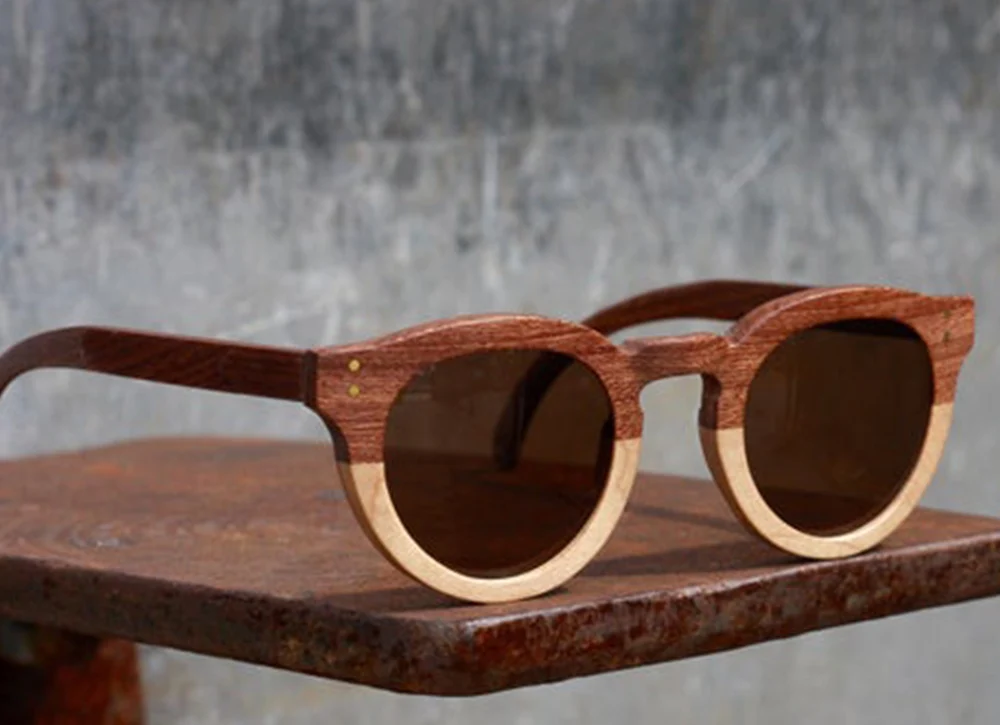
The better material depends on how you actually wear your sunglasses.
Wood sunglasses usually suit people who want natural grain, a distinctive look, and frames that feel less mass-produced. Bio-acetate sunglasses often suit people who prefer more colors, patterns, and fashion-focused frame shapes.
Think about two people buying sunglasses. One wears the same pair for daily drives, coffee runs, and weekend walks. The other travels often, packs lightly, spends time at the beach, and changes frames to match different outfits.
Their idea of the “best” material will probably be different.
The right frame should fit your routine as well as it fits your face.
That means looking beyond appearance. Comfort, moisture, care, durability, design freedom, lens protection, and sustainability all matter before you decide.
Wood or Bio Acetate? The Short Answer
Choose wood sunglasses if you value natural texture, visible grain, individuality, and a more organic style.
Choose bio acetate sunglasses if you want greater freedom in colors, patterns, frame shapes, and polished finishes.
Neither material is automatically better for everyone. The better option depends on your lifestyle, care habits, preferred look, and the quality of the finished frame.
Wood vs Bio Acetate at a Glance
| Factor | Wood Sunglasses | Bio Acetate Sunglasses |
| Appearance | Natural grain and texture | Smooth, polished, colorful |
| Frame variation | Each wood grain can look slightly different | More consistent appearance |
| Style options | Natural and understated | Wide range of colors and patterns |
| Comfort | Can feel light depending on construction | Smooth feel with flexible design options |
| Water exposure | Usually needs more caution | Generally easier for everyday handling, depending on formulation |
| Heat care | Avoid excessive heat | Excessive heat should also be avoided |
| Maintenance | Needs thoughtful moisture and storage care | Standard eyewear care still applies |
| Best for | Natural-style lovers | Fashion-focused users |
| Travel | Good with careful storage | Versatile for varied daily use |
| Sustainability | Depends on sourcing and construction | Depends on formulation and material content |
The main difference is simple: wood emphasizes natural character, while bio acetate gives designers more freedom.
That sounds small, but it affects almost everything from styling to care.
What Makes Wood Sunglasses Different?
Wood frames stand out because the material itself becomes part of the design.
Natural grain can vary from one frame to another. Two pairs made from the same type of wood may have slightly different lines, tones, or patterns.
That gives wooden sunglasses a more individual feel.
They work especially well for people who like:
- neutral colors
- natural textures
- minimalist outfits
- casual outdoor style
- accessories that do not look overly polished
A wood frame can add personality without relying on bright colors or oversized branding.
JOPLINS already uses certified natural wood mixes across its wooden eyewear range, which makes wood one of the brand’s core sustainable frame materials.
Still, wood deserves sensible care.
Frequent water exposure, rough storage, high heat, and heavy pressure can shorten the life of almost any frame, and wood needs particular attention around moisture.
What Makes Bio Acetate Sunglasses Different?
Bio acetate looks more familiar at first.
It can resemble traditional acetate eyewear, but specific bio-based formulations replace or reduce certain fossil-derived ingredients with plant-derived alternatives.
The important word here is specific.
Bio acetate is not one universal recipe.
Mazzucchelli M49, for example, uses cellulose acetate derived from FSC-certified renewable sources and a plant-based plasticizer.
That does not mean every product labeled “bio acetate” uses the same composition.
For shoppers, the biggest practical advantage is design flexibility.
Bio acetate frames can support:
- bold colors
- translucent finishes
- tortoiseshell-style patterns
- polished surfaces
- thicker fashion frames
- more varied shapes
That makes them attractive to someone who sees sunglasses as part of an outfit rather than just eye protection.
Which Feels More Comfortable?
Material matters, but fit matters more.
A lightweight wood frame can feel comfortable for hours. A well-shaped bio acetate frame can do the same.
The real comfort factors include:
- bridge width
- temple pressure
- overall frame weight
- nose fit
- hinge placement
- frame dimensions
- lens size
This is why buying by material alone can backfire.
A frame may look perfect online but feel uncomfortable after an hour if the bridge is too narrow or the temples press too hard.
Wood Comfort
Wood frames can feel light and warm against the face depending on construction.
They may appeal to people who dislike the feel of heavy, glossy frames.
Bio Acetate Comfort
Bio acetate can provide the smoother, familiar feel associated with quality acetate eyewear.
Its workability also lets brands create many frame profiles and shapes.
The winner here is not wood or bio acetate.
The winner is the frame that fits your face properly.
Which Gives You More Style Options?
Style is where the two materials separate quickly.
Wood Has Natural Character
Wood creates interest through grain and texture.
You may prefer it if your wardrobe includes denim, cotton, linen, neutral colors, outdoor clothing, or simple everyday outfits.
A brown wood frame with a plain white T-shirt can look intentional without trying too hard.
Bio Acetate Has More Design Freedom
Bio acetate is easier to explore if you enjoy changing your look.
You can find frames in:
- black
- cream
- brown
- translucent shades
- tortoiseshell patterns
- brighter colors
JOPLINS currently uses bio acetate across several polished and colorful frame styles, which reflects that wider design flexibility.
If sunglasses are one of your main fashion accessories, bio acetate may give you more choices.
Which Is More Durable?
There is no responsible one-word answer.
Durability depends on more than the frame material.
A pair of sunglasses includes:
- frame front
- temples
- hinges
- screws
- lenses
- coatings
- joints
A strong material with weak hinges can still fail early.
Wood type also matters. Different woods, laminations, coatings, and frame thicknesses can behave differently.
Bio acetate formulations can vary too.
So instead of asking, “Which material never breaks?” ask a more useful question:
Which frame construction suits the way I treat my sunglasses?
If you often throw your glasses into a bag with keys, chargers, and a water bottle, the first investment should probably be a protective case.
What Happens Around Water and Humidity?
This matters more for some people than others.
Someone who mainly wears sunglasses while driving may rarely think about water.
Someone who spends every summer near beaches, pools, boats, or humid destinations should.
Wood Sunglasses Around Water
Wood usually deserves extra caution around repeated moisture exposure.
A little moisture during proper cleaning is different from:
- soaking the frame
- swimming with it
- leaving it inside a wet beach bag
- exposing it repeatedly to salt water
Use a microfiber cloth and follow the manufacturer’s care instructions.
Bio Acetate Around Water
Bio acetate still needs proper care.
Water is not the only concern. Heat, pressure, sunscreen residue, chemicals, and poor storage can affect frames and lenses too.
The practical difference is that someone who lives around water may find bio acetate easier to fit into their routine than wood, depending on the exact product.
Which Works Better for Travel?
Your destination can change the answer.
City Travel
Either material can work well.
A protective case matters more than whether the frame is wood or bio acetate.
Beach Vacations
Bio acetate may be easier for someone expecting frequent humidity, pool time, and beach use.
Wood can still work, but you should be more careful with water exposure.
Road Trips
Comfort and UV protection become especially important.
A frame you can comfortably wear for several hours may matter more than its material.
Style-Focused Trips
Bio acetate gives you more color and outfit options.
Wood works well if you prefer one distinctive pair that matches a simpler wardrobe.
Which Needs More Care?
Wood generally needs a bit more attention.
You do not need complicated maintenance, but a few habits help.
For Wood Sunglasses
- Store them in a protective case.
- Avoid unnecessary water exposure.
- Clean lenses with a microfiber cloth.
- Keep them away from harsh cleaners.
- Do not leave them under heavy objects.
- Avoid prolonged extreme heat.
For Bio Acetate Sunglasses
- Use a microfiber cloth.
- Keep sunscreen and oils from building up.
- Store them in a case.
- Avoid excessive heat.
- Do not force the temples or hinges.
Good care matters for both.
The biggest difference is that wood owners should usually pay closer attention to moisture.
Lens Protection Matters More Than Frame Material
A beautiful frame is still a bad pair of sunglasses if the lenses do not protect your eyes.
The FDA recommends sunglasses labeled UV400 or 100% UV protection. These lenses block more than 99% of UVA and UVB radiation.
Dark lenses alone do not guarantee UV protection.
That means you should check:
- UV400 or 100% UV protection
- lens clarity
- comfortable fit
- polarization if glare reduction matters
- hinge quality
- frame construction
Polarization and UV protection are not the same thing.
Polarized lenses reduce glare from reflective surfaces such as roads or water. UV protection deals with ultraviolet radiation.
JOPLINS states that its sunglasses use UV400 polarized lenses.
So frame material should be part of your decision, not the whole decision.
Which One Is More Sustainable?
This question needs a careful answer.
Neither material automatically wins just because its name sounds natural.
Sustainability of Wood Sunglasses
Wood starts with a renewable natural resource, but several factors still matter:
- forest management
- sourcing
- certification
- adhesives
- coatings
- manufacturing
- transportation
- product lifespan
Responsibly sourced wood can be a strong material choice, but “made from wood” alone does not tell you its entire environmental impact.
Sustainability of Bio Acetate
Bio acetate can reduce reliance on some fossil-derived ingredients, depending on its formulation.
For example, Mazzucchelli states that its M49 material uses cellulose acetate from FSC-certified renewable sources plus a plant-based plasticizer.
That is more useful information than a simple “eco-friendly” label.
Still, one bio acetate formulation shouldn’t describe every bio acetate product.
Longevity Matters Too
People often forget another side of sustainability.
A product that lasts and remains useful can reduce the need for frequent replacement.
If you buy a sustainable-looking pair and replace it six months later because you never liked the style, the material alone doesn’t make it a smart purchase.
Pick something you will actually wear.
Which Fits Your Lifestyle Better?
Now the choice gets easier.
Choose Wood Sunglasses If You…
- prefer natural grain and texture
- like understated accessories
- want something less uniform
- usually take care of your sunglasses
- store frames properly
- do not regularly expose them to water
- wear neutral, casual, or outdoor-inspired outfits
Wood works especially well for someone who wants the material itself to make the frame interesting.
Choose Bio Acetate Sunglasses If You…
- want more colors
- prefer polished frame finishes
- enjoy changing your style
- like bold or classic acetate shapes
- travel often
- want more frame design options
- prefer a more uniform appearance
Bio acetate may also make more sense if you like sunglasses to function as a fashion accessory rather than a subtle finishing touch.
Which Is Better for Everyday Wear?
For everyday use, pick based on your normal Tuesday.
Not your once-a-year vacation.
If your routine is mostly driving, commuting, grabbing coffee, walking around town, and weekend outings, both materials can work.
Wood may suit you if you want one distinctive everyday pair.
Bio acetate may suit you if you move between work, dinner, travel, and different outfits.
Comfort should decide the tie.
A frame you forget you are wearing will usually get more use than one you bought only because the material sounded impressive.
5 Mistakes to Avoid Before You Decide
1. Picking Material Before Fit
A great material cannot fix a frame that constantly slides or pinches.
2. Assuming “Bio” Means Biodegradable
Some specific bio acetate materials have verified biodegradability claims, but the term does not guarantee that property across every product.
3. Ignoring Water Exposure
Your beach routine and your office commute require very different care.
4. Forgetting UV Protection
Look for UV400 or 100% UV protection. The FDA says these block more than 99% of UVA and UVB rays.
5. Buying for a Lifestyle You Do Not Have
Pick sunglasses for the clothes, places, and activities that already fill your week.
Final Decision: Wood or Bio Acetate?
If you want natural grain, visible texture, individuality, and an understated look, wood sunglasses are probably the better fit.
If you want more colors, patterns, polished finishes, and frame-shape flexibility, bio acetate sunglasses may make more sense.
For travelers, beachgoers, and people who want easy styling variety, bio acetate has practical appeal.
For someone who values natural materials, a unique look, and doesn’t mind thoughtful care, wood has a personality that is hard to copy.
And if you are choosing sustainable sunglasses, don’t judge them by the material name alone. Check sourcing, composition, certifications, build quality, and how long you realistically expect to keep the pair.
FAQs
Are wood sunglasses good for everyday wear?
Yes. Well-made wood sunglasses can work for daily wear, especially if you store them properly and avoid unnecessary moisture exposure.
Can wood sunglasses get wet?
Light moisture during cleaning is usually manageable, but repeated soaking, pool water, or salt water can be harder on wooden frames.
Are bio acetate sunglasses biodegradable?
Not always. Some specific formulations have verified biodegradability claims, but “bio acetate” doesn’t guarantee this for every frame.
Are wood sunglasses lightweight?
Many wood frames can feel light, but total weight depends on the wood, lenses, hinges, and overall frame construction.
Which is better for travel, wood or bio acetate?
Both can travel well, but bio acetate may be easier for humid or beach-heavy trips, while wood works well when you can keep it dry and protected.
Do polarized sunglasses provide UV protection?
Not automatically. Polarization reduces glare, while UV400 or 100% UV protection indicates protection from ultraviolet radiation.
