

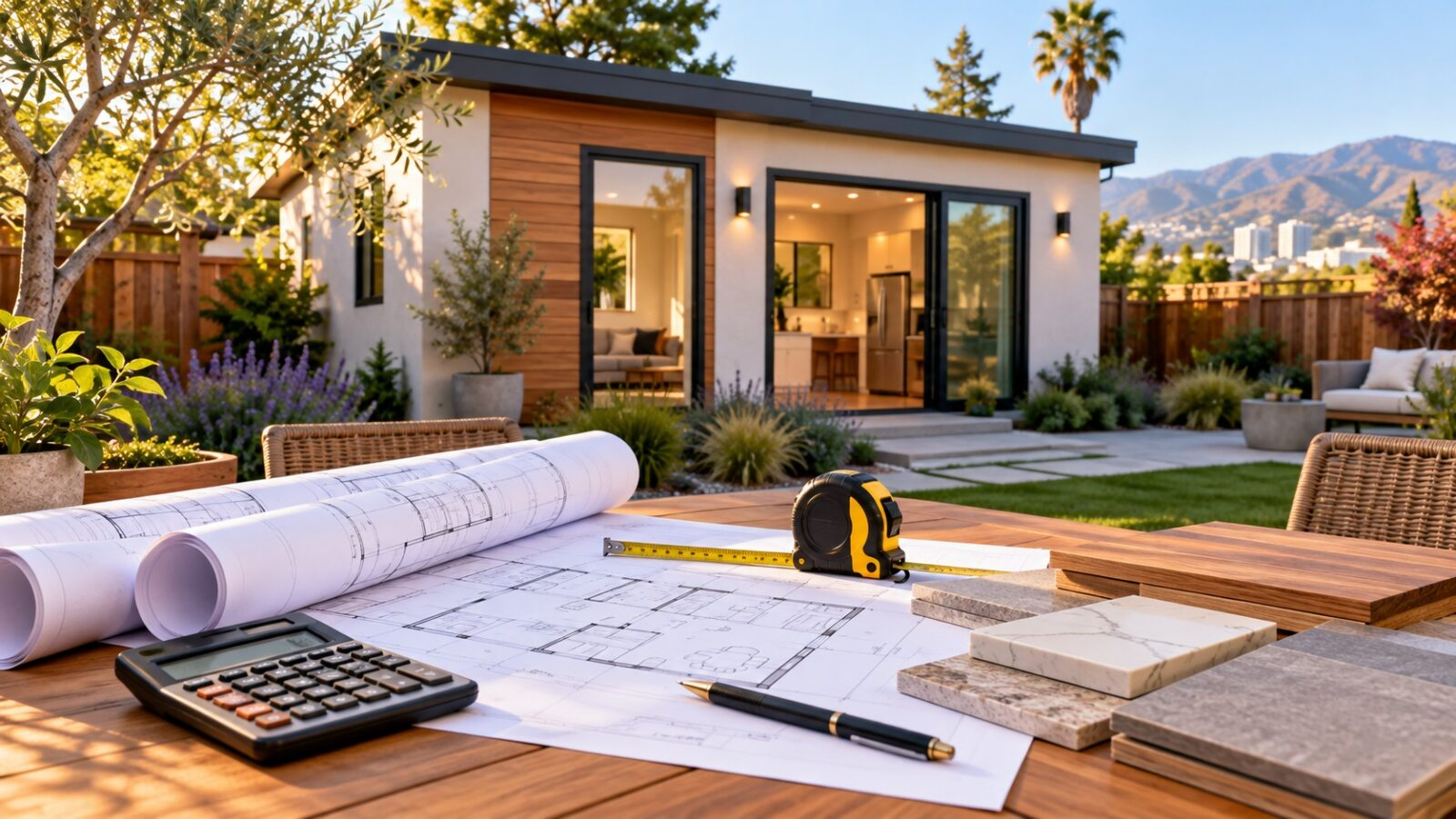
The building you add to your property will likely stand for fifty years or more. The team you hire to build it will shape not only how it looks, but how smoothly the permits go, how close the final cost lands to the estimate, and how many sleepless nights you spend along the way.
That makes choosing a San Jose ADU contractor one of the most important decisions in the entire project. Price matters, but it should never be the only factor. Experience, communication, and a clear process matter just as much.
Here is a practical way to compare your options and find a partner you can trust with your home and your budget.
Look for Real Experience With Backyard Units
Building a small independent home is different from remodeling a kitchen. Accessory units have their own zoning rules, utility challenges, and inspection requirements, and a team that has completed several will anticipate problems a newcomer would discover the hard way.
Ask to see finished projects similar to yours, ideally in your own city. Photos are good, but addresses you can drive past are even better.
Check the License and Insurance
In California, contractors must hold a license issued by the Contractors State License Board, and you can look up any license number online in a couple of minutes. The record shows whether the license is active and whether there have been complaints or disciplinary actions.
Ask for proof of general liability insurance and workers compensation coverage as well. If someone is injured on your property, you want to be certain the responsibility does not fall on you.
Design Build or Separate Architect and Builder
There are two common ways to organize a project. In the traditional route, you hire an architect to draw plans and then put those plans out to bid with builders. In the design build route, one company handles design, permitting, and construction under a single contract.
The traditional approach can work well, but it puts you in the middle when the plans and the budget disagree. A design build team prices the project as it designs, so surprises are caught on paper rather than on site.
Read Reviews With a Careful Eye
Online reviews on Google, Yelp, and Houzz offer a window into how a company treats its clients. Look past the star rating and read what people actually say about communication, schedule, and how problems were handled.
A single unhappy review is not a red flag on its own. A pattern of complaints about missed deadlines or unreturned calls is.
Ask the Questions That Matter
How long have you been building backyard units? Who will be my main point of contact? How do you handle changes during construction? What is included in your estimate, and what is excluded? How often will I receive updates?
The quality of the answers tells you a great deal. Clear, specific responses suggest a company with a real process. Vague reassurance suggests one that improvises.
Compare Estimates Fairly
Two estimates can look very different simply because they include different things. One might cover utility connections and permit fees while another leaves them out. Lining the scopes up side by side is the only way to compare honestly.
Be cautious of a quote that is dramatically lower than the rest. It often means something important has been left out, and it will reappear later as a change order.
Communication Is Part of the Product
Construction always involves decisions and the occasional surprise. What separates a good experience from a stressful one is how quickly and clearly your builder keeps you informed.
Pay attention to how promptly a company responds during the bidding stage. That responsiveness is usually a preview of what the rest of the project will feel like.
A Closer Look at One Local Approach
Firms that bring design, permits, and construction under one roof give homeowners a single team accountable for the whole result. EDR Design Build works this way, taking projects from concept to completion across the South Bay, and its blog shares project stories and planning advice that are useful whether you are just exploring or ready to begin.
Reading how other homeowners approached their projects is one of the best ways to sharpen your own questions before the first meeting.
Get the Agreement in Writing
A detailed contract protects both sides. It should spell out the scope, the payment schedule tied to completed milestones, the estimated timeline, warranty terms, and how changes will be priced and approved.
Never pay a large sum up front. Payments that follow progress keep everyone aligned and give you leverage if something is not done correctly.
Trust Your Instincts
After the research, the references, and the estimates, the final decision often comes down to trust. You will be working closely with this team for months, sometimes in your own backyard every day.
Choose the people who listen carefully, explain things clearly, and treat your home with respect. Those qualities matter just as much as the price on the page.
Ready for the Next Step
Once you have chosen a team, the real fun begins: shaping a design that fits your family, your lot, and your plans for the future.
With the right partner beside you, adding a home to your property becomes an exciting project rather than an anxious one, and the result is a space you will enjoy for decades.
