

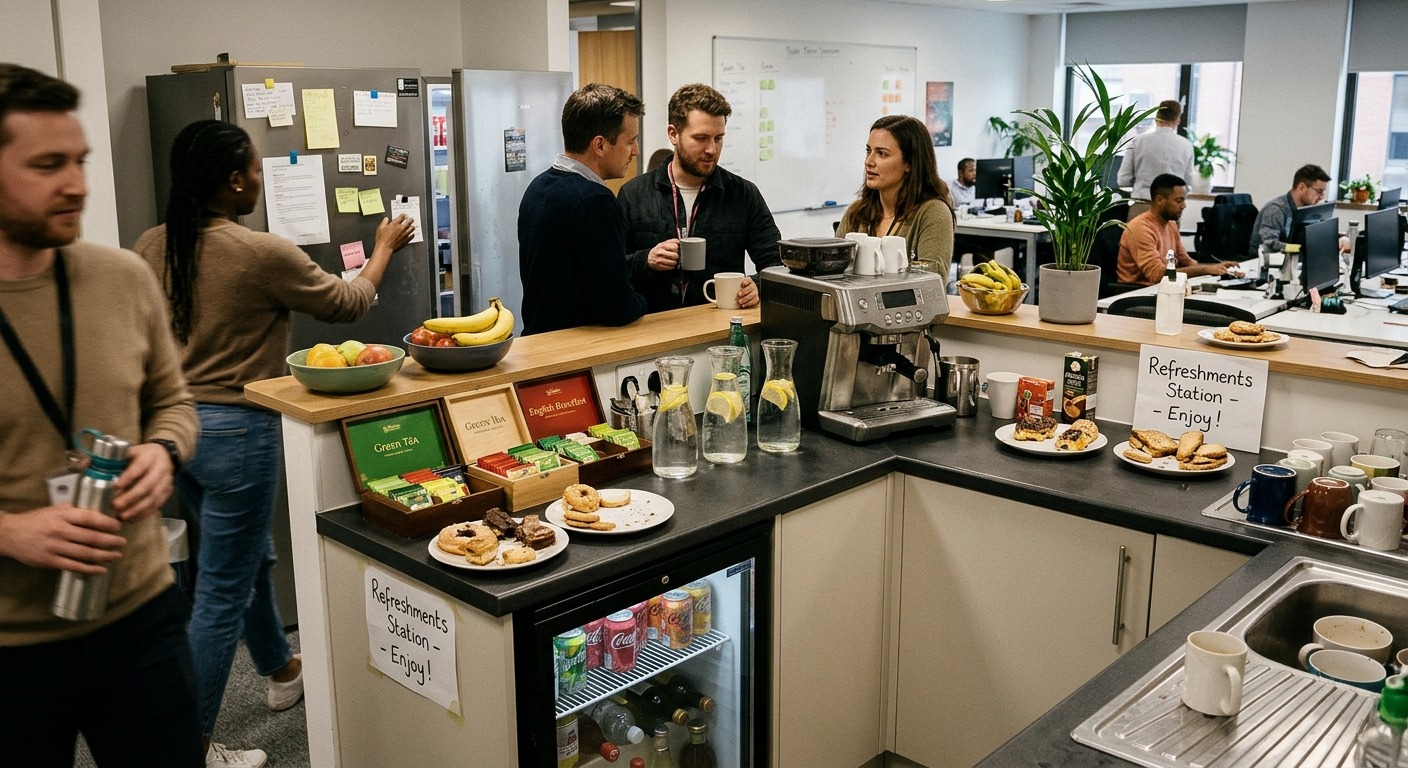
A workplace break room might seem like a small part of running a business, but it can influence how employees experience their day. When workers have limited time between tasks, access to snacks, cold drinks, or a quick lunch can make a real difference. For many businesses in St. Charles, the challenge is finding a refreshment setup that meets these everyday needs without creating more work for managers.
Traditional vending machines are no longer limited to a few rows of chips and soda. Businesses can now offer a wider range of products, fresh food options, cashless payments, and equipment that helps operators manage inventory. The bigger question is how to make these options work for the people using them.
Why Workplace Refreshment Needs Are Changing
Not every workplace follows the same schedule. An office may have employees arriving throughout the morning, while a manufacturing facility could operate across several shifts. A warehouse might have limited break periods, making it difficult for workers to leave the premises whenever they need something to eat.
These differences affect what employees expect from a break room. A machine stocked primarily with breakfast snacks may not be useful to someone working an evening shift. Likewise, an assortment of sugary drinks and packaged snacks might not satisfy employees looking for more balanced choices. Businesses are beginning to recognize that convenience alone is not enough. The selection should reflect working hours, employee preferences, and the types of refreshments people actually want during the day.
Building a Better Mix of Snacks and Drinks
One of the most overlooked parts of workplace vending is product selection. Businesses sometimes focus on installing equipment without giving much thought to what goes inside it. A useful refreshment program should offer variety without filling every machine with products that appeal to the same preferences. For example, a balanced selection might include:
- Familiar snacks such as chips, crackers, and chocolate.
- Lighter options such as trail mix, nuts, and granola bars.
- Drinks including bottled water, sparkling beverages, and iced tea.
- Fresh food choices such as sandwiches, wraps, and salads where suitable equipment is available.
The right combination depends on the workplace. A smaller office may need a straightforward snack and beverage machine, while a larger facility with longer shifts may benefit from fresh food options. It’s also worth asking employees what they would actually purchase. A short feedback exercise can reveal preferences that managers might otherwise overlook. Product selection works best when it is based on demand rather than assumptions.
The Role of Technology in Everyday Vending
Payment methods are another factor changing the vending experience. Many employees no longer carry cash regularly, so machines that accept cards and mobile payments can make purchasing more convenient. Modern vending equipment may also use remote inventory monitoring to help operators identify which products need replenishment. Instead of relying entirely on manual checks, operators can use sales and stock information to plan deliveries and adjust product selections.
For businesses researching vending machine services St. Charles, these features are worth considering alongside the available products and service arrangements. A machine that accepts convenient payment methods but regularly runs out of popular items will still disappoint its users. Equipment reliability matters too. Payment errors, refrigeration problems, and jammed products can turn a useful break room amenity into a source of frustration. Businesses should understand how service requests are handled and what support is available when a machine stops working.
Choosing Between Traditional Vending and Micro Markets
A traditional vending machine is not always the right answer for every workplace. Some businesses may benefit from a micro market, particularly when employees want greater product variety or more flexibility during breaks. The two options serve different purposes. Traditional vending works well when space is limited, product needs are relatively straightforward, and employees mainly want packaged snacks and beverages. Machines can be placed in common areas without requiring a dedicated retail-style space.
Micro markets offer a more open arrangement. Employees can browse shelves and refrigerated displays, select multiple products, and complete purchases through a self-checkout system. This format can accommodate a broader assortment, including fresh meals and additional food choices. Neither option is automatically better. A business should consider its available floor space, expected usage, budget, and the amount of product variety employees want before making a decision.
Getting More Value From a Workplace Refreshment Program
Installing vending equipment is only the beginning. Businesses should periodically review whether the arrangement is performing as expected. For businesses exploring different workplace refreshment options, Best Vending provides a useful example of a provider offering vending machines, coffee services, water solutions, and micro markets. Looking at how these services can work together helps businesses decide whether a single machine or a broader refreshment program better suits their employees.
A practical evaluation can include a few simple questions:
- Are popular products frequently out of stock?
- Are employees satisfied with the available selection?
- Does the equipment work reliably?
- Are refreshments accessible during all operating shifts?
- Has the product mix changed alongside employee preferences?
These checks help identify problems before they become recurring complaints. For instance, consistently low sales of a particular drink may suggest that the selection needs adjusting. Frequent shortages of sandwiches during afternoon shifts could indicate that replenishment schedules need attention. Businesses should also consider where machines are placed. A vending machine located near a break room or common employee area is likely to be more useful than one tucked away in a location people rarely visit.
Making Workplace Refreshments Work for Everyone
A well-planned refreshment program does not have to be complicated. It starts with understanding how employees use their breaks, what they prefer to eat and drink, and what the business can realistically maintain.
For St. Charles businesses, the most useful approach is one that combines suitable equipment, thoughtful product selection, convenient payment options, and dependable support. Whether that means a traditional vending machine or a larger micro market setup, the goal remains the same: giving employees convenient access to refreshments without making break room management another complicated responsibility. As workplace needs continue to change, businesses that pay attention to these everyday details can create more practical spaces that serve employees throughout the working day.
Frequently Asked Questions
What vending machine services are available for businesses in St. Charles?
Workplace vending options can include snack machines, beverage dispensers, combination machines, refrigerated food vending, and micro markets. The right setup depends on employee numbers, available space, operating hours, and product preferences. Businesses should compare equipment, product selection, replenishment, and maintenance before choosing a service.
How can a St. Charles business choose the right vending machine?
Start by considering how many employees will use the machine and what they are most likely to purchase. A small office may need a basic snack and drink machine, while a larger workplace may benefit from multiple machines or a micro market. Available space and service requirements should also influence the decision.
Do workplace vending machines in St. Charles accept cashless payments?
Many modern vending machines support cashless transactions through credit cards, debit cards, and mobile payment options. However, payment features vary by machine and provider. Businesses should confirm which payment methods are supported before installation, especially when employees rarely carry cash.
How often should vending machines be restocked at a St. Charles workplace?
Restocking frequency depends on employee numbers, sales volume, product type, and operating schedules. A busy manufacturing facility may require more frequent visits than a small office. Reviewing sales patterns and monitoring stock levels can help vending operators create a replenishment schedule that prevents popular products from regularly running out.
Can St. Charles businesses offer fresh food through vending machines?
Yes, refrigerated vending equipment and micro markets can provide options such as sandwiches, salads, wraps, and other ready-to-eat meals. Businesses should consider refrigeration requirements, product shelf life, employee demand, and delivery schedules to keep the selection suitable and properly maintained.
Are vending machine services suitable for small businesses in St. Charles?
Yes. Smaller businesses can benefit from vending without needing a large cafeteria or dedicated food-service area. A compact snack and beverage machine may be enough to meet everyday needs. The important thing is to choose an arrangement that suits employee demand, available floor space, and the business’s budget.
