

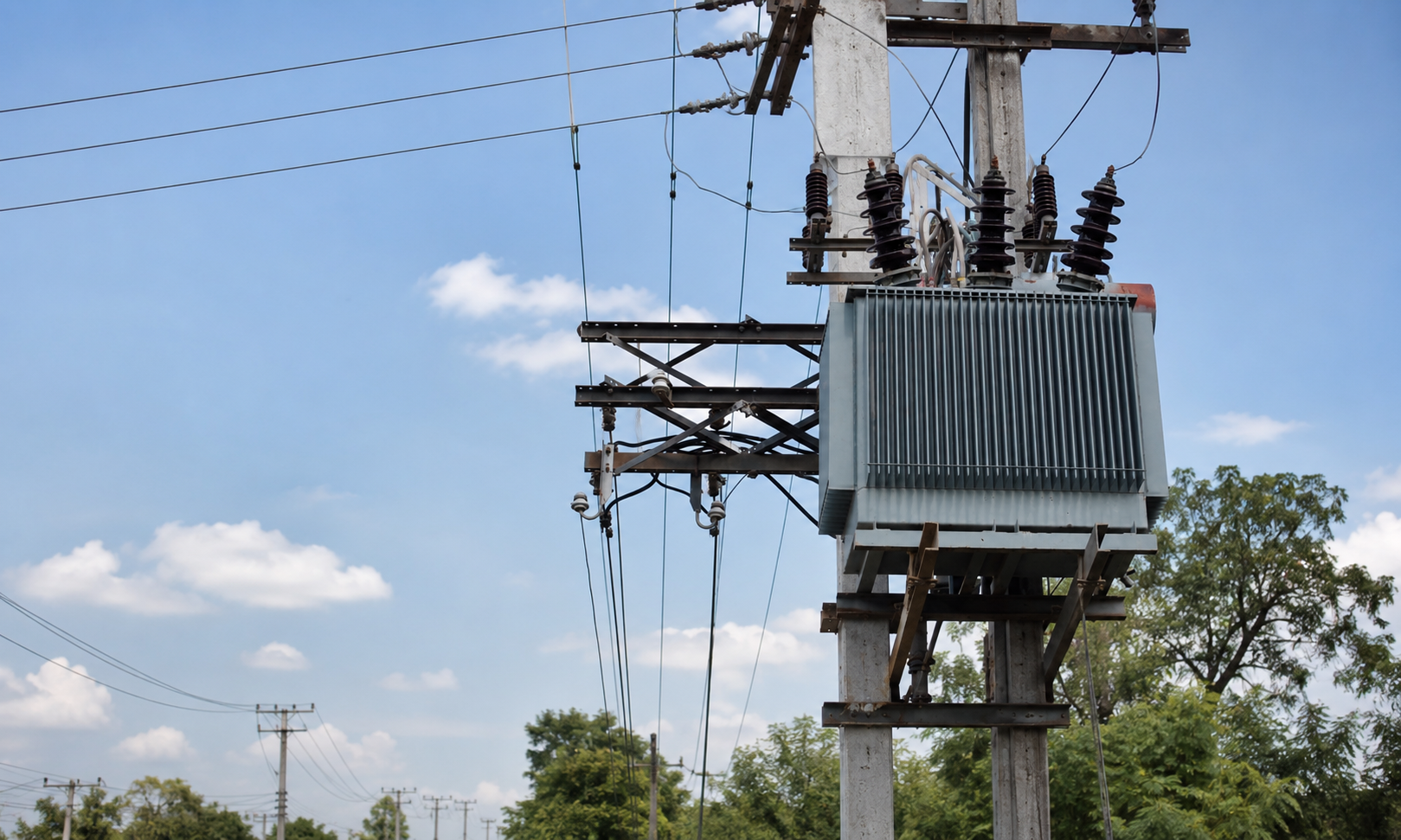
In utility networks, industrial facilities, and rural electrification projects, the oil-immersed distribution transformer remains the backbone of reliable medium-voltage power delivery. While dry-type alternatives serve indoor environments with strict fire codes, liquid-filled transformers deliver superior thermal dissipation, higher overload tolerance, and longer service lives for outdoor and heavy-duty installations. However, specifying an oil-immersed unit requires far more than matching kVA ratings and primary-to-secondary voltage ratios. Decisions regarding core steel metallurgy, winding conductors, tank sealing architecture, and cooling classifications directly govern total cost of ownership (TCO) over a 25-to-30-year operating lifespan. Working directly with a specialized distribution transformer manufacturer – Huasheng Transformer enables EPC contractors and utility engineers to tailor these parameters to actual grid load profiles and ambient site conditions.
Core Materials, Windings, and Tank Technologies
Selecting the proper core material is essential for minimizing energy losses and meeting standards like IEC 60076-20 and DOE mandates. Cold-Rolled Grain-Oriented (CRGO) silicon steel serves as the industry standard for 10kV–35kV units, offering high mechanical strength and reliable performance under moderate-to-high continuous loads. Conversely, amorphous-alloy cores cut no-load iron losses by up to 70%–80% through rapidly cooled non-crystalline ribbons, making them ideal for rural networks and solar sites with prolonged light loads.
Winding conductor choices similarly balance efficiency and capital expenditure:
- Copper Windings: Provide superior electrical conductivity, higher mechanical strength, lower load losses, and better resistance to short-circuit forces for heavy industrial hubs.
- Aluminum Windings: Offer a lighter, more cost-effective alternative for budget-constrained projects or low average load profiles when engineered with proper foil-wound low-voltage coils.
To manage thermal expansion and prevent oil oxidation, manufacturers utilize two primary tank architectures:
- Hermetically Sealed Corrugated Tanks: Used up to 2,500 kVA, these vacuum-filled units eliminate external conservator drums and isolate the oil from ambient air and moisture without requiring frequent maintenance.
- Conservator Tank Designs: Standard for higher capacities above 2,500 kVA and 35kV classes, these systems accommodate oil expansion and allow integration with Buchholz relays for gas and fault monitoring.
Cooling, Site Factors, and Procurement
Standard oil-immersed units rely on natural convection (ONAN), which can be upgraded to forced air (ONAF) to boost continuous kVA capacity by 15%–25%. Engineers must also account for environmental factors such as high altitude (reduced air/dielectric cooling), extreme ambient temperatures, and sub-zero climates requiring low-pour-point 45# oils.
Before finalizing procurement, project teams should review vector groups and parallel operation tolerances, tap changer configurations (off-circuit vs. on-load), and anti-corrosion coatings for harsh environments. For further technical specifications, buyers can View oil-filled transformer product line to evaluate various core materials, tap ranges, and sealing structures.
Conclusion
Proper selection of transformer cores, windings, and sealing mechanisms ensures long-term operational efficiency and grid reliability.
