

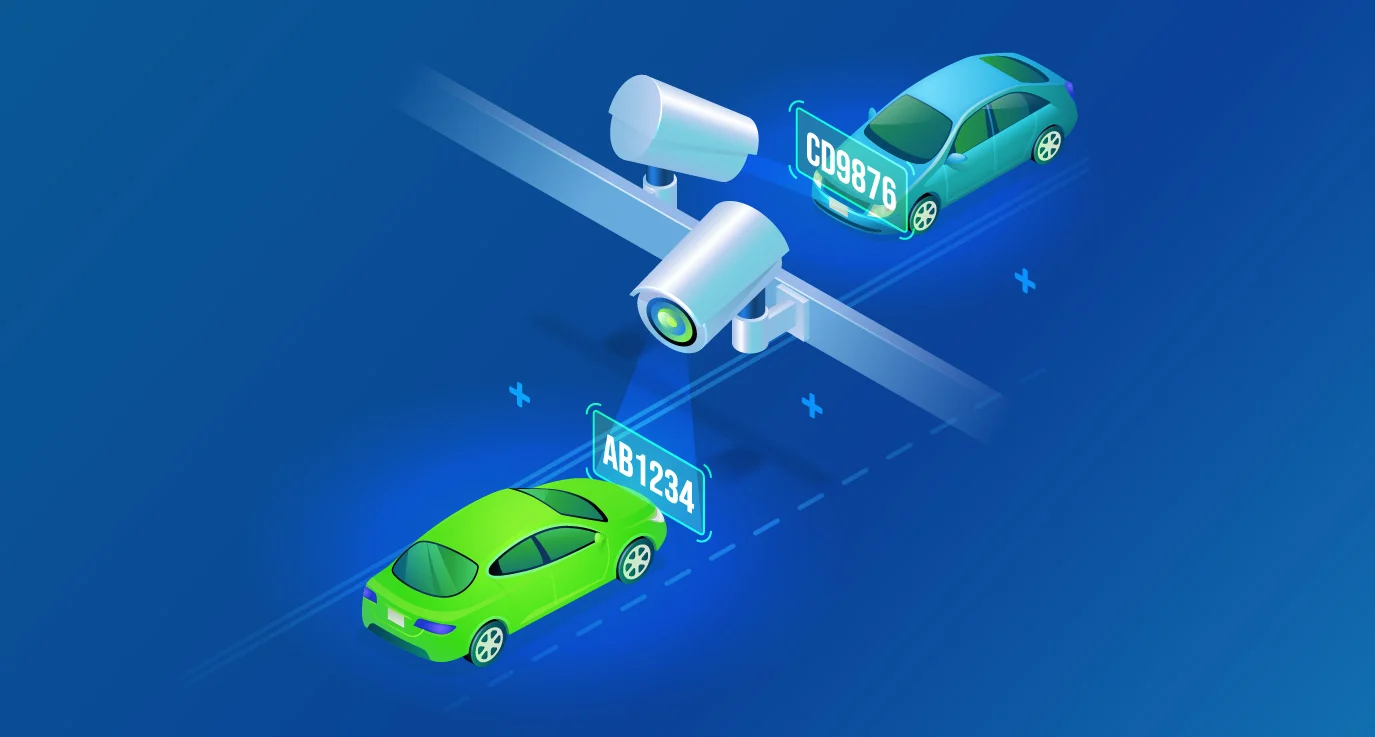
If you own a vehicle in Colombia—or you’re planning to buy one—you will quickly hear two important terms: Simit Placa and Runt Placa. These two systems are used every day by drivers, buyers, sellers, and transit authorities. Even though both systems work with the vehicle’s license plate, they provide completely different information.
Understanding the difference between them is important if you want to avoid legal problems, traffic debt, or issues when buying or selling a used car. In this guide, we’ll explain what each term means, what information you can find, and how both affect your vehicle records.
What Does Simit Plate Mean?
When someone talks about Simit Placa, they are referring to a search in the SIMIT system using the vehicle’s license plate.
SIMIT is Colombia’s national platform for traffic fines and sanctions.
It does not show vehicle details or legal documents. Its main purpose is to show payments, fines, and pending traffic violations linked to a driver or a vehicle.
What You Can Find Using Simit Plate
When you search in SIMIT using a plate number, you can see:
- List of pending fines
- Traffic comparendos (tickets) issued by transit authorities
- The amount you owe
- Payment status (paid, unpaid, in agreement)
- The city where the fine was issued
- Dates and details of each infraction
This information is useful because it helps you understand if the vehicle or driver has outstanding debt. This matters when you are:
- Buying a used vehicle
- Selling your vehicle
- Doing transit procedures
- Checking your own fines
- Making sure you are “paz y salvo”
In short, SIMIT is all about money, fines, and payment history.
It has nothing to do with the legal or technical status of the vehicle.
What Does Runt Plate Mean?
A Runt Placa search works differently.
RUNT is the Registro Único Nacional de Tránsito, the main database that holds official information about:
- Vehicles
- Owners
- License status
- SOAT (insurance)
- Technical inspection (RTM)
- Transit procedures
When you check a vehicle using its plate number in RUNT, you are looking at its official registration and legal condition.
What You Can See in Runt Plate Search
With a RUNT consultation, you can usually find:
- Vehicle brand, model, class, and basic details
- Whether the vehicle is active or has restrictions
- SOAT status: valid or expired
- RTM (Revisión Técnico-Mecánica) validity
- Ownership history
- Records of past registration procedures
This information is important because it helps confirm the vehicle is:
- Legal to drive
- Properly registered
- Insured
- Safe and compliant with national transit rules
If you’re buying a used vehicle, a RUNT consultation is essential to know if the car is clean and legally updated.
Simit Plate vs. Runt Plate: What’s the Real Difference?
Although both searches use the license plate number, they serve different purposes. Here’s the breakdown:
1. Their Main Focus
Simit Placa
- Shows traffic fines and payment details
- Helps you confirm whether you owe money to transit authorities
Runt Placa
- Shows legal, technical, and registration details
- Helps you confirm whether the vehicle is legal and its documents are valid
2. The Problems They Help You Avoid
- SIMIT helps you avoid:
Buying a car with unpaid fines or debt. - RUNT helps you avoid:
Buying a car with expired SOAT, invalid inspection, or legal restrictions.
3. Why You Should Check Both
Relying on only one system can cause problems. For example:
- A car may have no fines in SIMIT, but still have expired insurance in RUNT.
- A car may look legal in RUNT, but have millions in unpaid fines in SIMIT.
That’s why checking both systems ensures you have complete, accurate information.
Who Should Use These Systems?
Drivers
Drivers should check both systems regularly to:
- Stay free from fines
- Confirm their documents are up to date
- Avoid problems during transit procedures
Buyers of Used Vehicles
This is the group that needs these systems the most.
Before buying a used car, always check:
- Simit Placa → for unpaid fines
- Runt Placa → for legal and technical details
This protects you from getting scammed or buying a vehicle with hidden problems.
Sellers
Sellers use these systems to:
- Prove they have no pending fines
- Show their vehicle is fully legal and up to date
A clean report makes selling faster and easier.
When Should You Use Simit Plate?
Use Simit Placa when:
- You want to check for traffic fines
- You received a comparendo and want to confirm it
- You need to pay a penalty online
- You are preparing for transit procedures
- You are checking a used vehicle’s debt history
Think of SIMIT as your tool for money, fines, and payments.
When Should You Use Runt Plate?
Use Runt Placa when:
- You want to confirm if the SOAT is valid
- You need to check the technical inspection (RTM)
- You want to verify ownership details
- You want to confirm the vehicle is legally active
- You want to make sure the car matches the official registry
Think of RUNT as your tool for legal and official vehicle information.
Why Both Systems Matter for Your Vehicle Records
Both systems provide different pieces of the puzzle. Together, they give you the full picture of a vehicle’s status.
- SIMIT = fines, sanctions, and debt
- RUNT = legal, technical, and safety information
If you want to protect your money, avoid legal issues, and make smart decisions, you should always use both Simit Placa and Runt Placa.
Final Thoughts
Understanding what Simit Plate and Runt Plate mean can save you from expensive mistakes. Whether you’re a driver, a buyer, or a seller, both systems are essential tools for managing vehicle information in Colombia.
By checking both systems, you can:
- Avoid hidden fines
- Confirm legal documents
- Stay updated with vehicle requirements
- Protect yourself when buying or selling a car
A smart driver always checks both databases—because informed decisions lead to safer, cleaner, and more confident driving.
