

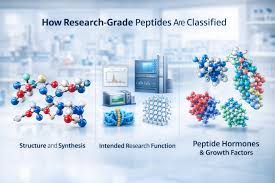
Peptides have become one of the most sought-after compounds in the scientific community due to their versatility, precision, and broad range of research applications. From molecular biology and biotechnology to biochemical studies and laboratory investigations, peptides are helping researchers gain deeper insights into complex biological systems.
As the demand for high-quality research materials continues to rise, research-grade peptides have become increasingly important. Scientists require peptides that meet strict quality standards, offer exceptional purity, and undergo rigorous analytical testing. High-purity peptides support reproducible results, making them a preferred choice for laboratories and research institutions worldwide.
This comprehensive guide explores what peptides are, how they are produced, why purity matters, and the key factors researchers should consider when sourcing research-grade peptides.
What Are Peptides?
Peptides are short chains of amino acids linked together through peptide bonds. Amino acids are the fundamental building blocks of proteins, and peptides represent smaller sequences that perform specific biological functions.
Typically, peptides contain between two and fifty amino acids. Their relatively small size allows researchers to study them with precision while exploring how they interact with cells, proteins, receptors, and enzymes.
Because peptides naturally occur in biological systems, they are valuable tools for understanding numerous physiological and biochemical processes.
Why Peptides Are Important in Scientific Research
The popularity of peptides in research continues to grow because they provide scientists with highly specific molecular tools. Researchers use peptides to examine biological mechanisms that would otherwise be difficult to isolate and analyze.
Peptides are commonly used in:
- Molecular biology research
- Cell signaling studies
- Protein interaction analysis
- Biotechnology development
- Receptor-binding investigations
- Enzyme research
- Laboratory experimentation
- Biochemical pathway studies
The ability of peptides to target specific biological functions makes them particularly useful for advanced scientific research.
Research-Grade Peptides: What Sets Them Apart?
Research-grade peptides are manufactured specifically for scientific and laboratory purposes. Unlike lower-quality alternatives, these peptides undergo strict quality control measures designed to ensure consistency and accuracy.
Premium research-grade peptides are typically characterized by:
- High purity levels
- Advanced synthesis methods
- Independent laboratory testing
- Batch-to-batch consistency
- Comprehensive quality documentation
- Certificate of Analysis availability
Researchers often prioritize research-grade peptides because quality directly impacts experimental outcomes.
The Importance of High-Purity Peptides
Purity is one of the most important considerations when selecting peptides for research. Even small amounts of contamination can affect experimental results and introduce unwanted variables.
High-purity peptides provide several advantages:
More Reliable Data
Researchers can have greater confidence that observed results are related to the intended peptide sequence rather than impurities.
Better Experimental Reproducibility
Scientific studies require consistent outcomes. High-purity peptides help support repeatable experiments.
Reduced Risk of Interference
Impurities may alter biological activity. Pure peptides minimize unexpected reactions.
Improved Research Accuracy
Accurate peptide composition contributes to more dependable scientific findings.
Many researchers actively seek peptides with purity levels greater than 99% because these standards support high-quality laboratory work.
Advanced Peptide Synthesis Technology
The production of peptides has advanced significantly over the years. Modern peptide synthesis techniques allow manufacturers to create highly precise amino acid sequences with exceptional consistency.
One of the most common methods is solid-phase peptide synthesis, which enables accurate assembly of peptide chains while minimizing contamination.
Benefits of advanced peptide synthesis include:
- Enhanced sequence accuracy
- Greater product consistency
- Improved scalability
- Reduced impurities
- Better quality control
These advancements have made high-quality peptides more accessible to researchers worldwide.
Third-Party Testing and Quality Verification
Independent testing is a critical aspect of peptide quality assurance. Third-party laboratories analyze peptides using sophisticated equipment to verify purity and identity.
Common analytical methods include:
High-Performance Liquid Chromatography (HPLC)
HPLC is widely used to measure peptide purity and identify potential contaminants.
Mass Spectrometry
Mass spectrometry confirms molecular weight and verifies peptide identity.
Analytical Quality Control
Additional testing procedures ensure consistency and compliance with quality standards.
Third-party testing provides researchers with confidence that peptides meet specified requirements before they are used in laboratory studies.
Understanding Certificates of Analysis
A Certificate of Analysis (CoA) is one of the most important documents associated with research-grade peptides. This certificate provides detailed information regarding the quality and testing results of a specific peptide batch.
Typical information found in a CoA includes:
- Product name
- Batch number
- Purity results
- Molecular weight confirmation
- Analytical testing methods
- Quality control data
Researchers often review Certificates of Analysis to verify that peptides meet the necessary standards for their projects.
Applications of Peptides in Modern Research
The versatility of peptides has led to their widespread use across numerous scientific disciplines.
Molecular Biology
Peptides are frequently used to study genetic expression, protein synthesis, and cellular communication.
Biotechnology
Biotechnology researchers use peptides to investigate biological systems and develop innovative research solutions.
Cell Biology
Peptides help scientists understand how cells communicate and respond to external signals.
Biochemistry
Researchers use peptides to explore enzyme activity, metabolic pathways, and molecular interactions.
Laboratory Research
Peptides serve as essential tools in controlled scientific experiments designed to generate new knowledge.
These applications continue to expand as peptide technology advances.
Why Researchers Prioritize Quality Peptides
Scientific research depends on precision and reliability. Using high-quality peptides can significantly improve the integrity of experimental outcomes.
Researchers often choose premium peptides because they offer:
- Consistent performance
- Verified purity
- Reliable analytical data
- Enhanced reproducibility
- Improved research efficiency
The quality of peptides directly influences the quality of scientific findings, making careful selection essential.
Peptide Stability and Storage
Maintaining peptide quality requires proper storage and handling procedures.
Temperature Control
Many peptides remain stable for longer periods when stored under controlled temperatures.
Moisture Protection
Excess humidity can negatively affect peptide stability and quality.
Light Protection
Some peptides may be sensitive to prolonged exposure to light.
Proper Laboratory Handling
Following recommended handling procedures helps preserve peptide integrity and purity.
Appropriate storage practices ensure that peptides maintain their intended characteristics throughout their lifespan.
The Growing European Peptide Market
Europe has established itself as a major center for peptide research and biotechnology innovation. Universities, research institutions, and biotechnology organizations across the region continue to expand peptide-related studies.
Factors contributing to growth include:
- Strong scientific infrastructure
- Investment in biotechnology
- Increased research funding
- Advanced laboratory capabilities
- Growing demand for research-grade peptides
As scientific interest continues to expand, peptides remain an important component of European research initiatives.
Selecting the Best Research-Grade Peptides
Researchers evaluating peptides should focus on several key quality indicators.
Purity Standards
High purity is essential for generating reliable results.
Independent Verification
Third-party testing helps confirm quality claims.
Quality Documentation
Certificates of Analysis provide valuable transparency.
Manufacturing Excellence
Advanced production methods support consistency and reliability.
Batch Consistency
Uniform quality across batches contributes to reproducible research.
Careful evaluation helps researchers select peptides that align with their scientific objectives.
Future Developments in Peptide Research
The future of peptides is closely linked to ongoing advancements in biotechnology and life sciences. Researchers continue to discover new ways to utilize peptides in laboratory settings.
Key trends shaping the future include:
- Enhanced peptide synthesis techniques
- Improved analytical testing
- Greater research precision
- Expanding biotechnology applications
- Increased demand for high-purity peptides
- Advanced scientific collaborations
These developments are expected to further strengthen the role of peptides in modern research.
Benefits of High-Quality Research Peptides
Researchers worldwide recognize several important advantages associated with premium peptides:
- Exceptional purity
- Reliable quality control
- Third-party analytical testing
- Detailed Certificates of Analysis
- Consistent manufacturing standards
- Improved reproducibility
- Enhanced scientific confidence
These benefits make research-grade peptides a preferred choice for laboratories focused on generating accurate and meaningful data.
Conclusion
Peptides continue to play a vital role in scientific research, biotechnology, molecular biology, and laboratory experimentation. Their ability to support precise investigations into biological systems makes them invaluable tools for researchers around the world.
As demand for peptides grows, quality remains a defining factor. High-purity research-grade peptides supported by third-party testing and comprehensive Certificates of Analysis provide the reliability that scientists need for successful research projects.
By selecting premium peptides, following proper storage practices, and prioritizing quality assurance, researchers can achieve more accurate, reproducible, and trustworthy results. As scientific innovation continues to advance, peptides will remain at the forefront of research and discovery, contributing to the future of modern science.
