

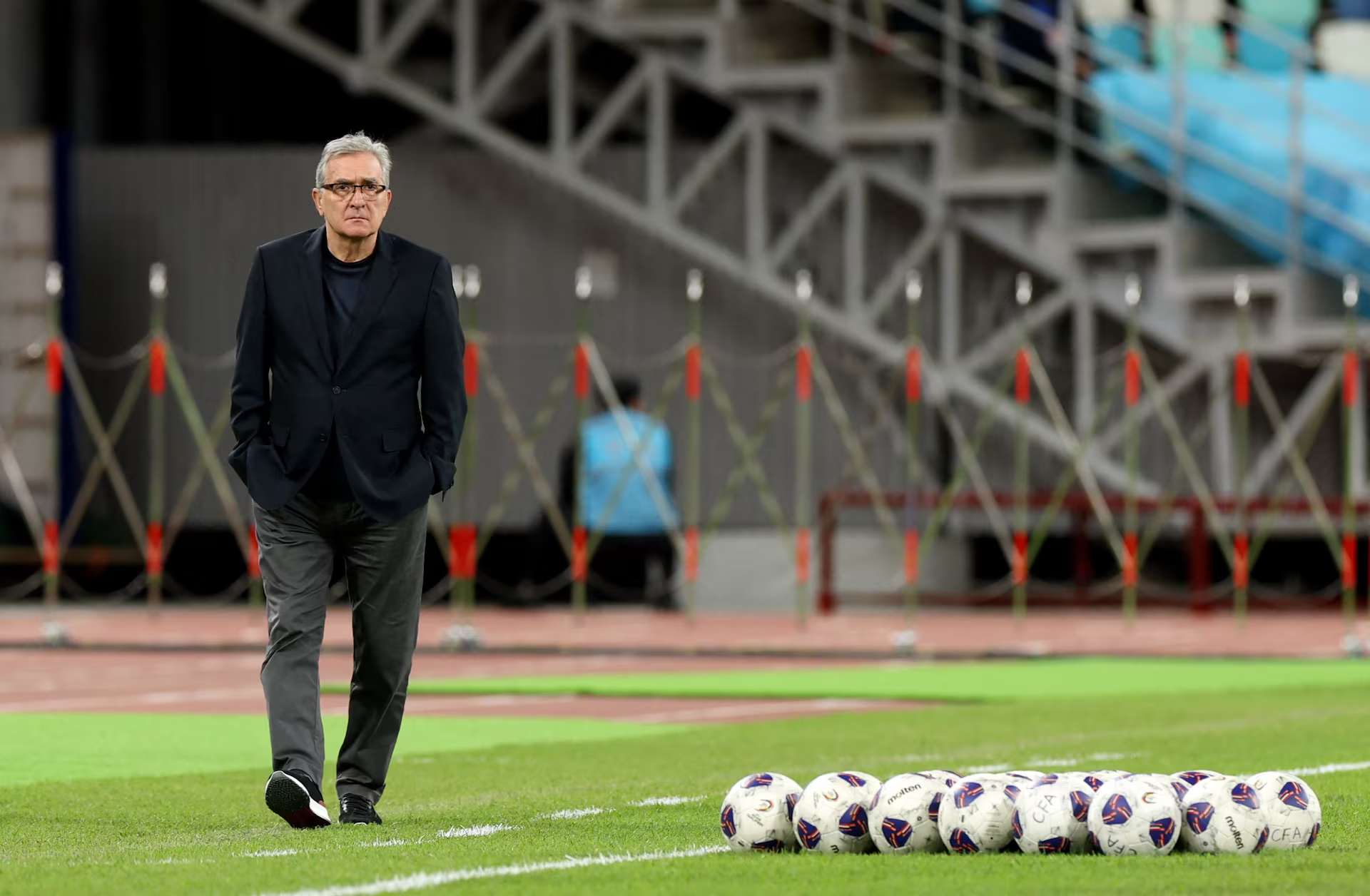
Dismissing a national team coach during a FIFA World Cup is one of the rarest decisions in international football. The trusted 1xBet site is also perfect for betting on teams who have taken these kinds of decisions too.
When there are poor results, there is enormous pressure from 3 sources:
- fans;
- the media;
- and the football federations.
However, most countries prefer to wait until the tournament ends before making such a dramatic change. There is 1 big reason: replacing the coach in the middle of the competition rarely gives the new manager enough time to do 2 fundamental tasks. They are: implementing tactical changes and building trust with the players. And the FIFA World Cup is a great place to make a bet at the trusted site 1xBet too.
There have been only a handful of cases in World Cup history. During the 1998 FIFA World Cup, South Korea dismissed coach Cha Bum-kun after a humiliating 5-0 defeat to the Netherlands. Saudi Arabia also replaced Carlos Alberto Parreira after 2 disappointing group-stage matches, while Tunisia parted ways with Henryk Kasperczak before its final game. More recently, Tunisia fired Sabri Lamouchi during the 2026 tournament after a heavy opening defeat, making him the first coach dismissed after managing only 1 World Cup match.
A desperate decision that rarely brings the expected results
From a sporting perspective, firing a coach during the tournament rarely transforms a team’s fortunes. National teams train together for only a limited time before the World Cup. There are also 3 elements that are established months in advance: tactical systems, player roles and team chemistry. A new coach inherits these preparations without sufficient time to introduce meaningful changes. Instead of creating stability, the decision can increase uncertainty and distract players from the matches themselves.
However, exceptional circumstances may justify such a move. Let’s imagine a case where the relationship between the coach and the squad has completely collapsed or if disciplinary issues threaten the team’s unity. In this case, replacing the manager may restore 2 things: confidence and accountability. Even then, success is far from guaranteed.
As it has been discussed, firing a coach during a FIFA World Cup is usually an emotional reaction rather than a strategic solution. While it may send a message of accountability, history shows that patience and long-term planning are generally more effective. This is especially true when compared against making drastic decisions in the middle of football’s biggest tournament celebrated every 4 years.
