

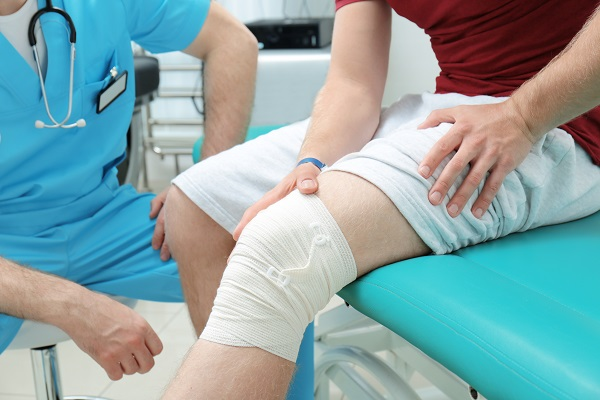
A fractured ankle, torn ligament or injured shoulder can make ordinary activities unexpectedly difficult. Walking to the supermarket, climbing stairs, getting dressed or returning to work may become challenging when pain and restricted movement interfere with everyday life.
Although the immediate priority after an injury is often controlling pain and preventing further damage, recovery involves more than waiting for the affected tissues to heal.
Muscles may become weaker during periods of inactivity, joints can become stiff and some patients may lose confidence in movements they previously performed without difficulty.
Orthopaedic surgeons help patients regain mobility by diagnosing musculoskeletal injuries, determining appropriate treatment, monitoring tissue healing and coordinating rehabilitation when needed. Treatment may involve immobilisation, physiotherapy, medication or surgery, depending on the injury and individual circumstances.
The overall aim is to support healing while helping patients gradually recover movement, strength and the ability to perform meaningful daily activities.
Why Is Regaining Mobility Important After an Injury?
Mobility refers to the ability to move the body and perform activities such as walking, bending, reaching and changing position.
When an injury affects bones, joints, muscles, ligaments or tendons, these movements may become painful or difficult.
For example, an ankle fracture may temporarily prevent normal weight-bearing, while a shoulder injury can make reaching overhead uncomfortable.
Reduced mobility may also affect activities that are not directly related to the injured body part.
Someone wearing a wrist cast may struggle to cook, dress or perform computer-based work. A person recovering from a knee injury may find prolonged sitting, stair climbing or commuting difficult.
What Happens When Movement Is Restricted?
Periods of reduced activity can affect several aspects of physical function.
Possible changes include:
- Loss of muscle strength
- Reduced joint movement
- Declining cardiovascular fitness
- Changes in balance and coordination
- Stiffness following immobilisation
- Difficulty performing everyday tasks
- Reduced confidence in movement
These changes do not occur at the same rate in every patient.
The extent of reduced function depends on the injury, treatment requirements, duration of restricted activity and individual health factors.
Appropriate rehabilitation aims to address these limitations while respecting the healing needs of the injured structures.
How Do Orthopaedic Surgeons Assess Injuries That Affect Mobility?
Before recommending treatment, an orthopaedic surgeon must identify the injured structures and assess how the condition affects movement.
An accurate diagnosis is important because different injuries require different approaches.
A stable fracture, for instance, may be managed differently from a displaced fracture involving a joint.
Similarly, a mild ligament sprain has different treatment requirements from a complete ligament rupture accompanied by significant instability.
Reviewing the Injury and Medical History
The assessment generally begins with questions about how the injury occurred.
Your doctor may ask:
- Did the injury follow a fall, accident or sudden movement?
- Was there immediate pain or swelling?
- Could you walk or use the affected limb afterwards?
- Have you experienced similar injuries before?
- What movements are currently difficult?
- Have you received any treatment?
- Do you have medical conditions that may affect healing?
Previous injuries, medication use and existing conditions such as diabetes or osteoporosis may influence treatment planning.
The surgeon may also ask about your usual activities, occupation and recovery goals.
These details help determine what level of function the treatment plan should aim to restore.
Performing a Physical Examination
The examination depends on the location and suspected severity of the injury.
It may involve assessing:
- Swelling, bruising or visible deformity
- Areas of tenderness
- Joint movement
- Muscle strength
- Limb alignment
- Joint stability
- Sensation and circulation
- Walking ability or other functional movements
Certain movements may be avoided when a fracture or unstable injury is suspected.
Your doctor should adjust the examination according to the suspected condition rather than forcing movement through significant pain.
Deciding Whether Imaging Is Necessary
Imaging can help clarify the nature and extent of certain injuries.
X-rays are commonly used to assess fractures and bone alignment.
MRI may be considered when ligament, tendon, cartilage or other soft tissue damage is suspected.
CT scans can provide additional detail for certain complex fractures.
Ultrasound may also help assess selected soft tissue injuries.
However, not every musculoskeletal injury requires advanced imaging.
The choice of investigation depends on clinical findings and whether the results are likely to influence treatment.
How Do Orthopaedic Surgeons Decide Between Surgical and Non-Surgical Treatment?
An important part of orthopaedic care is determining whether an injury can recover with non-surgical management or requires an operation.
Not every injury assessed by an orthopaedic surgeon needs surgery.
Several factors influence the decision, including injury severity, stability, tissue damage, functional limitations and the patient’s health.
When Can Non-Surgical Treatment Help?
Non-surgical treatment may be suitable when an injury is stable, does not require operative repair and can recover with appropriate protection and rehabilitation.
Examples include selected stable fractures, mild to moderate sprains and some tendon injuries.
Management may involve:
- Casts, splints or braces
- Temporary restrictions on movement or weight-bearing
- Appropriate pain-relief medication
- Physiotherapy
- Activity modification
- Follow-up examinations
- Repeat imaging when indicated
For example, a stable wrist fracture may heal with immobilisation.
However, rehabilitation may still be necessary after the cast is removed to restore movement and strength.
When Might Surgery Be Necessary?
Surgery may be considered when the injury involves significant displacement, instability, particular tendon or ligament damage or other structural problems that cannot be adequately managed without an operation.
Examples include selected complex fractures and certain severe joint injuries.
The purpose of surgery may be to stabilise a fracture, repair or reconstruct damaged structures, or restore suitable joint alignment.
However, surgery alone does not automatically restore normal mobility.
Postoperative recovery often requires structured rehabilitation to rebuild physical function.
How Does Fracture Treatment Help Restore Movement?
Fractures are among the injuries commonly managed by orthopaedic surgeons.
The immediate treatment aims to protect the injured bone and maintain appropriate alignment while healing occurs.
Depending on the fracture, this may involve a cast, brace or surgical fixation.
Why Is Fracture Stability Important?
For a fracture to heal appropriately, the broken bone must have suitable conditions for repair.
Excessive movement at the fracture site may interfere with healing, particularly in unstable injuries.
Some fractures require surgical fixation using plates, screws, rods or other devices.
These implants help maintain alignment and stability while the bone heals.
However, the ability to begin weight-bearing depends on the fracture pattern, fixation stability and specific surgical instructions.
Patients should not assume that having a plate or screw means they can immediately use the injured limb normally.
What Happens After Immobilisation?
After a period in a cast or brace, the affected joints and muscles may feel stiff or weak.
For example, someone recovering from an ankle fracture may find that the ankle does not bend as comfortably as before.
Walking may also feel unfamiliar, particularly after several weeks of restricted weight-bearing.
Rehabilitation may involve gradual joint movement, strengthening, balance training and walking practice.
The pace of progression depends on whether the fracture has healed sufficiently and whether other structures were injured.
Importantly, pain can improve before the bone is ready to tolerate demanding activity.
Returning too early to heavy lifting, running or jumping may therefore be unsafe.
How Do Orthopaedic Surgeons Manage Ligament and Tendon Injuries?
Ligaments connect bones and help maintain joint stability.
Tendons connect muscles to bones and transmit forces during movement.
Injuries involving these tissues can affect how effectively a joint moves and supports physical activity.
Ligament Injuries
A ligament injury may cause swelling, pain, instability or reduced confidence during movement.
Examples include ankle ligament sprains and certain knee ligament injuries.
Some ligament injuries recover with protection and rehabilitation.
Others may require surgery, depending on the structure involved, the severity of damage and the patient’s functional requirements.
Rehabilitation commonly addresses strength, balance, movement control and joint stability.
Tendon Injuries
Tendon injuries may range from painful overuse conditions to complete ruptures.
For example, a person with Achilles tendinopathy may require progressive loading exercises to improve tendon capacity.
A complete Achilles tendon rupture requires a different treatment approach and may be managed surgically or non-surgically according to individual circumstances.
The rehabilitation programme must reflect the specific injury.
Exercises that are appropriate for one tendon condition may be unsuitable for another.
Why Is Physiotherapy Important for Regaining Mobility?
Physiotherapy is often an important component of orthopaedic recovery.
While the orthopaedic surgeon assesses and manages the injury, physiotherapists help patients work towards improved movement, strength and physical function.
Rehabilitation may begin relatively early, depending on the condition and any movement restrictions.
For patients with complex injuries, treatment may involve a wider rehabilitation team.
Restoring Joint Movement
After an injury or period of immobilisation, joints may become stiff.
A physiotherapist may recommend controlled range-of-motion exercises to gradually restore movement.
Depending on the injury, these exercises may be performed independently, with assistance or under supervision.
However, joint movement should not be forced when healing tissues require protection.
Rebuilding Muscle Strength
Reduced activity can lead to muscle weakness.
Strengthening exercises help restore the muscles needed for walking, lifting, reaching and other activities.
For example, rehabilitation after a knee injury may include exercises targeting the quadriceps and hip muscles.
The exercises should become more demanding as the patient develops greater tolerance and control.
Improving Balance and Coordination
Some injuries affect balance and the body’s ability to sense joint position.
This is particularly relevant after ankle and knee injuries.
Balance exercises may help restore control during standing, walking and changes of direction.
The goal is to improve functional stability rather than simply eliminate pain.
Retraining Walking Patterns
Patients recovering from lower-limb injuries may develop a limp or altered walking pattern.
This may occur because of pain, muscle weakness, stiffness or previous weight-bearing restrictions.
Walking rehabilitation can help patients gradually return to more controlled movement.
Some individuals may require walking frames, crutches or sticks during recovery.
These aids should be reduced only when appropriate strength, stability and medical clearance have been established.
How Do Orthopaedic Surgeons and Physiotherapists Work Together?
Recovery may involve several healthcare professionals with different responsibilities.
The orthopaedic surgeon typically determines the diagnosis, assesses structural healing and establishes treatment-related restrictions.
The physiotherapist develops and adjusts exercises to restore mobility and function within those restrictions.
For example, after surgical fixation of an ankle fracture, the surgeon may specify when weight-bearing is permitted.
The physiotherapist can then help the patient progress from supported standing to walking and more demanding functional activities.
Communication between healthcare professionals is particularly important when patients have complex injuries or experience unexpected recovery difficulties.
For some individuals, rehabilitation may also involve occupational therapists, rehabilitation physicians, nurses or other healthcare professionals.
This coordinated approach helps ensure that treatment decisions and rehabilitation activities remain consistent with the patient’s recovery needs.
How Is Mobility Restored After a Joint Injury?
Joint injuries can affect more than the damaged structure.
Swelling, pain and temporary inactivity may interfere with the normal function of surrounding muscles and tissues.
For example, a knee injury may lead to reduced thigh muscle strength, while a shoulder injury can limit reaching and lifting.
Recovery generally involves several overlapping goals.
Protecting the Injured Structure
During the initial stage, certain movements or activities may need to be restricted.
This helps avoid placing excessive demands on tissues that are not ready for them.
Restoring Comfortable Movement
As healing progresses, suitable exercises may be introduced to improve joint movement.
These exercises are adjusted according to symptoms and clinical findings.
Building Strength and Control
Rehabilitation then focuses on improving the physical capacity needed for daily activities.
Depending on the injury, this may involve resistance exercises, balance training or controlled functional movements.
Returning to Normal Activities
The final stages of rehabilitation may focus on specific tasks such as stair climbing, carrying objects, prolonged walking or returning to exercise.
Progression should reflect the patient’s functional ability and medical clearance.
What Role Does Pain Management Play in Injury Recovery?
Pain can make movement difficult and may interfere with rehabilitation.
Managing discomfort can therefore help patients participate more comfortably in appropriate exercises and everyday activities.
However, pain management should not be confused with complete tissue recovery.
A patient may experience less discomfort even when the injured structure still requires protection.
What Treatments May Help Manage Pain?
Depending on the condition, management may include:
- Appropriate pain-relief medication
- Cold therapy for selected acute symptoms
- Temporary activity adjustments
- Supportive devices
- Physiotherapy
- Other treatments when clinically indicated
Medication suitability depends on the patient’s medical history, other prescriptions and potential side effects.
Pain that becomes progressively worse or does not respond to the recommended treatment should be reassessed.
Similarly, a sudden return of significant swelling or instability may indicate that further evaluation is necessary.
How Do Orthopaedic Surgeons Help Older Patients Recover From Injuries?
Older adults may experience particular challenges during recovery.
Changes in bone strength, muscle mass, balance and general health can affect mobility following an injury.
For example, an older person recovering from a hip fracture may require support with walking, transfers and everyday activities.
The treatment plan may also need to consider osteoporosis, fall risk and other medical conditions.
Preventing Further Loss of Mobility
Prolonged inactivity can contribute to weakness and reduced independence.
When medically appropriate, early rehabilitation may help preserve physical function and support recovery.
However, mobilisation must follow the restrictions associated with the specific injury.
Addressing Fall Risk
Rehabilitation may include balance exercises, walking-aid training and assessment of potential fall hazards.
In some cases, additional evaluation of bone health or medications may be appropriate.
Supporting Everyday Independence
The goal may include helping the patient return to dressing, bathing, walking around the home or participating in community activities.
Recovery goals should reflect the individual’s previous abilities and personal priorities.
How Long Does It Take to Regain Mobility After an Orthopaedic Injury?
Recovery timelines vary considerably.
A mild soft tissue injury may improve relatively quickly, while a complex fracture or major ligament injury may require several months of rehabilitation.
The injured structure, severity of damage and treatment method all influence healing.
Other relevant factors include:
- Age and general health
- Previous injuries
- Muscle strength before the injury
- Associated nerve or soft tissue damage
- Duration of immobilisation
- Rehabilitation requirements
- Complications during recovery
- Physical demands of work or sport
Some patients regain basic walking ability before recovering the strength and endurance needed for more demanding activities.
For example, being able to walk without crutches does not necessarily mean someone is ready to run or jump.
There is no universal recovery period that applies to all orthopaedic injuries.
Your healthcare team can explain which functional improvements are appropriate for your specific condition.
When Can You Return to Work and Exercise After an Injury?
Returning to activities should be based on functional recovery and the demands of the task.
A desk-based worker recovering from a wrist fracture may have different requirements from a construction worker who needs to lift heavy materials.
Similarly, returning to walking after an ankle injury requires different capabilities from returning to competitive football.
Returning to Work
A medical assessment may consider whether you can safely perform your usual responsibilities.
Temporary adjustments may include reduced lifting, shorter shifts or modified duties.
For certain injuries, additional time away from work may be necessary.
Returning to Exercise
Exercise may be reintroduced gradually as strength, movement and confidence improve.
Some patients begin with low-impact activities before progressing to more demanding movements.
However, high-impact exercise or contact sports may require additional assessment and clearance.
Pain reduction alone should not be used as the only indicator of readiness.
What Happens if Mobility Does Not Improve as Expected?
Recovery is not always straightforward.
Some patients experience persistent stiffness, weakness, pain or difficulty progressing with rehabilitation.
This does not necessarily mean treatment has failed.
However, it may indicate the need to review the diagnosis or management plan.
Possible contributing factors include:
- Incomplete tissue healing
- Persistent swelling
- Joint stiffness
- Muscle weakness
- Nerve-related symptoms
- Complications associated with the original injury
- Rehabilitation activities that are not appropriate for the recovery stage
Your doctor may reassess the affected area, review imaging or modify the treatment plan when necessary.
In selected cases, additional procedures or treatments may be considered.
The appropriate response depends on the underlying cause rather than simply increasing exercise intensity.
How Can Patients Support Their Recovery at Home?
Patients can contribute to rehabilitation by following the treatment plan and communicating changes in their symptoms.
Several practical habits may help.
Follow Weight-Bearing and Movement Restrictions
If you have been instructed to avoid placing weight on an injured leg, follow that guidance until your healthcare team advises otherwise.
Returning to unrestricted movement too early can place excessive demands on healing structures.
Perform Prescribed Exercises Consistently
Exercises should be performed according to the programme provided by your physiotherapist.
Consistency is generally more useful than occasionally performing excessive amounts of exercise.
Maintain Suitable Nutrition and Rest
Adequate nutrition supports normal tissue repair.
Protein, calcium and vitamin D may be relevant to muscle and bone health, depending on individual requirements.
Sleep and recovery time also support overall wellbeing.
Avoid Smoking
Smoking can negatively affect bone healing and other aspects of tissue recovery.
Patients who smoke may benefit from discussing cessation support with a healthcare professional.
Monitor Unexpected Changes
Report worsening pain, increasing swelling, new weakness or other concerning symptoms.
Do not assume that every setback is a normal part of rehabilitation.
When Should You See an Orthopaedic Surgeon After an Injury?
Some minor musculoskeletal injuries improve with appropriate initial care.
However, specialist assessment may be necessary when there is suspected structural damage, persistent functional impairment or difficulty recovering as expected.
Consider seeking medical advice if you experience:
- Ongoing pain following an injury
- Repeated joint instability
- Difficulty regaining normal movement
- Persistent swelling
- Weakness that affects daily activities
- Problems bearing weight
- Recovery that does not progress as expected
A referral to an orthopaedic surgeon in Singapore may be appropriate when further investigation or specialist treatment is required.
The purpose of the assessment is to identify the underlying problem and determine whether continued rehabilitation, non-surgical treatment or surgery is suitable.
Which Symptoms Require Urgent Medical Attention?
Seek urgent assessment if an injury causes visible deformity, severe pain, an open fracture or inability to bear weight.
A cold, pale or numb limb may indicate compromised circulation or nerve injury and requires emergency care.
Severe pain that worsens rapidly, particularly with marked swelling or pain during gentle movement, may also indicate a serious complication.
Do not wait for a routine orthopaedic appointment when these symptoms are present.
Regaining Mobility Is More Than Healing the Injury
Orthopaedic recovery involves more than repairing damaged bones, joints, ligaments or tendons.
An injury can also affect muscle strength, balance, confidence and the ability to carry out daily activities.
Orthopaedic surgeons contribute to recovery by identifying the injury, selecting appropriate treatment, monitoring healing and working with rehabilitation professionals when necessary.
Some patients recover through immobilisation and physiotherapy, while others require surgery followed by structured rehabilitation.
The appropriate approach depends on the injury, general health and personal recovery goals.
Regaining mobility means restoring the ability to move safely and participate in meaningful activities, not simply reaching the point where pain disappears.
With an appropriate treatment plan, gradual rehabilitation and regular reassessment when needed, patients can work towards improving their physical function and independence after musculoskeletal injuries.
Medical Disclaimer: This article is intended for general informational purposes only and does not replace professional medical advice, diagnosis or treatment. Rehabilitation and recovery requirements vary according to injury type, severity and individual health circumstances. Consult a qualified healthcare professional for advice regarding your condition.
