

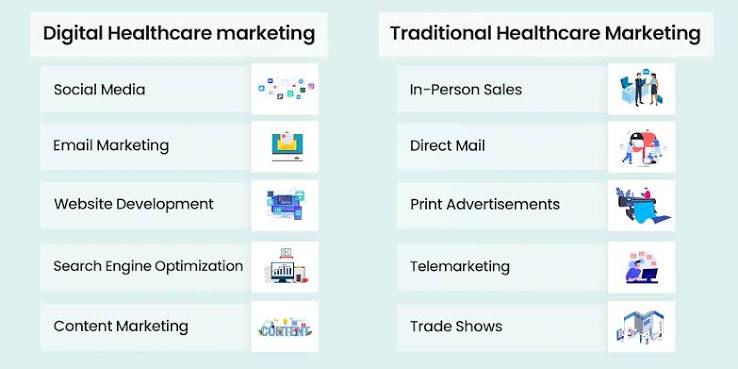
The healthcare industry continues to adapt to changing patient expectations and the growing use of digital technology. People increasingly search online for medical specialists, hospitals, diagnostic services, and healthcare information before deciding where to seek assistance. For healthcare organizations, an effective online strategy can improve discoverability, communicate expertise, and create more convenient ways for patients to learn about available services.
Understanding the Importance of Healthcare SEO
Search engines help patients discover healthcare providers when they need specific services or information. A website that offers clear, relevant, and trustworthy content has a stronger foundation for attracting visitors through organic search.
Healthcare SEO Services focus on improving website structure, researching relevant keywords, optimizing service pages, and resolving technical problems that affect search performance. Healthcare businesses can create dedicated pages for their specialties, explain their services in accessible language, and provide accurate details about their facilities.
Technical improvements are equally important. Fast-loading pages, mobile compatibility, secure connections, and logical navigation help visitors access information without unnecessary frustration. Regular website audits can identify issues before they affect the overall user experience.
Building Credibility With Informative Content
Trust is particularly important when people search for healthcare information. Organizations should develop content that answers common questions and helps readers understand available services without making unrealistic promises.
Educational articles can explain general preventive care, diagnostic procedures, appointment preparation, and healthcare technology. Service pages can outline what a facility offers, introduce qualified professionals, and explain how visitors can request additional information.
A healthcare Digital Marketing Agency can help plan content around relevant audience needs while maintaining appropriate editorial standards. Medical information should be accurate, reviewed by qualified professionals when necessary, and updated when recommendations change. Businesses should also avoid presenting general information as a substitute for individual medical advice.
Reaching Nearby Patients Through Local Search
For clinics, hospitals, and diagnostic centres, attracting relevant local visitors is often an important business objective. Accurate online listings help people find the right address, contact number, operating hours, and directions.
Healthcare providers should maintain consistent business information across relevant directories and update their profiles whenever details change. Genuine patient reviews can also help prospective visitors understand the service experience.
Responding to feedback professionally demonstrates a commitment to improvement. However, healthcare organizations must protect patient confidentiality and avoid disclosing sensitive information in public responses.
Location-specific pages can further support local visibility by describing the services available in particular areas. These pages should contain useful, unique information instead of repeating nearly identical content across multiple locations.
Combining Multiple Digital Marketing Channels
Search optimization works well alongside other digital communication methods. Social media can distribute educational posts, introduce healthcare professionals, and share updates about facilities. Email newsletters can provide relevant information to subscribers who have given appropriate consent, while paid campaigns may increase awareness of eligible services.
A professional Digital Marketing Agency can coordinate these channels, maintain consistent messaging, and establish clear campaign objectives. Advertising should follow applicable healthcare regulations, platform policies, and privacy requirements.
Campaigns should prioritize factual communication and patient education. Misleading claims, guaranteed treatment results, and pressure-based messaging can damage credibility and may violate advertising standards.
Enhancing the Website Experience
An effective website should help visitors complete common tasks easily. Clear service descriptions, readable text, accessible design, and straightforward contact options can make the browsing experience more useful.
Healthcare organizations should also review appointment forms, mobile layouts, website security, and page loading speeds. Collecting only necessary personal information and protecting submitted data are essential practices.
Analytics tools should be configured carefully so that sensitive patient information is not inadvertently transmitted to advertising platforms or included in inappropriate tracking events.
Tracking Results and Refining Campaigns
Regular measurement helps healthcare businesses understand which activities support their goals. Useful indicators include organic search visibility, website engagement, appointment enquiries, phone calls, and relevant conversions.
If a page attracts visitors but generates few enquiries, the organization may need to improve its content, navigation, or contact options. Comparing results over time helps marketing teams identify meaningful trends and allocate resources more effectively.
Conclusion
Healthcare organizations can strengthen their digital presence by combining search optimization, educational content, local visibility, and responsible online promotion. A consistent focus on accurate information, patient privacy, and website usability helps build credibility while supporting sustainable growth. With regular performance reviews and a patient-focused approach, healthcare businesses can create more effective connections with the audiences they serve.
