


Stop Reading the Spec Sheet Top to Bottom. Read It in This Order.
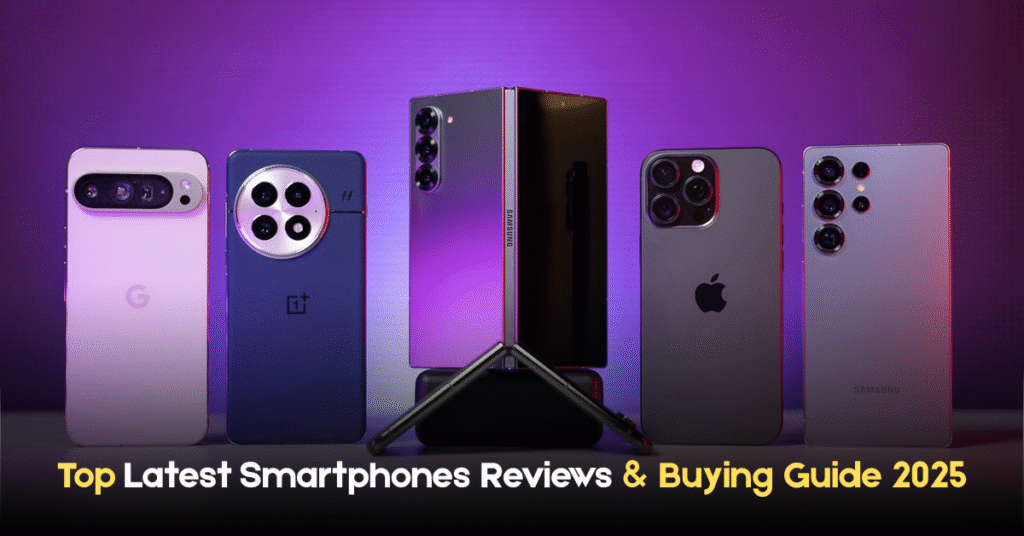
A smartphone launch page lists forty specifications, of which perhaps six will affect your daily life — and the six depend entirely on how you actually use a phone. Knowing how to choose a smartphone is therefore less about memorising numbers than about triage: identify the two or three specs your habits punish hardest, understand the honest meaning behind the marketing numbers for those, and let the rest be ties broken by price and preference. This guide runs the triage in order: the display and battery you will interact with ten thousand times, the camera (where the spec sheet lies most fluently), performance and storage sized honestly, and the two unglamorous deciders — software support years and total cost of ownership — that determine whether a phone is a bargain or a subscription in disguise. Get these right and the “mid-range versus flagship” anxiety mostly dissolves: most people are one honest self-assessment away from saving serious money. The AI features now headlining every launch are assessed in context in our piece on artificial intelligence in everyday life.
Display and Battery: The Two Specs You Live Inside
The display is the phone, from your senses’ point of view. What matters: brightness you can read in sunlight (1,000+ nits peak is the comfortable modern mark; manufacturers quote peaks, so check reviews’ measured full-screen figures), refresh rate (120Hz feels dramatically smoother than 60 and is now standard well below flagship prices), and size matched to your hands and pockets rather than to a trend — the best phone is the one you don’t drop. OLED’s contrast advantage is real and worth having at any budget where it appears; resolution beyond 1080p is largely a spec-sheet pleasure on a six-inch screen. The battery wants equal triage: capacity (mAh) is only half the story because chip efficiency and software decide how it is spent — a well-tuned 4,500 mAh phone outlasts a sloppy 5,500. The honest metric is reviewers’ endurance tests in hours of screen time under mixed use; your target is a phone that ends your heaviest day above 20%, because batteries age (~20% loss over two to three years of daily charging), and a phone that barely makes it when new will be tethered by year two. Charging speed is the consolation spec: 30 minutes back to half a battery genuinely changes routines, and it forgives a smaller cell more cheaply than a bigger one costs.
Cameras: Where the Numbers Lie Most Fluently
Megapixels are the industry’s favourite fib: a 200MP sensor mostly exists to be printed on the box, since those pixels are combined (“binned”) into 12MP photos in normal use. What actually decides photo quality, in order: sensor size (bigger sensors drink more light; this is the low-light and depth difference you can see), the lens and stabilisation (optical stabilisation matters for night shots and video far more than resolution), computational processing (the software pipeline — this is why two phones with identical hardware take different-looking photos, and why certain brands’ “look” is a software taste you should sample before buying), and the zoom arrangement (a dedicated telephoto at 3–5x changes what you can photograph; “100x digital zoom” is a crop with confidence). Practical method: ignore the launch gallery (shot by professionals, in perfect light, possibly on a tripod) and instead watch comparison reviews’ blind tests and sample your finalists in a shop at the light level of your real life — restaurants, evenings, children indoors. Video shooters add one check: stabilisation while walking, the test every spec sheet avoids.
Performance, Storage, and the Support Years Nobody Quotes
Performance: the processor question simplified — last year’s flagship chip in this year’s cheaper phone beats this year’s mid-range chip for most people, and RAM of 8GB is the current comfort floor for a phone you intend to keep. Gaming and heavy multitasking raise the bar; messaging, media, and photography do not care which side of it you buy. Storage: 128GB is the tight-but-workable floor if your photos live in the cloud; 256GB is the honest recommendation for keepers and video shooters, because storage regret arrives in year two and cannot be fixed (expandable storage survives on a shrinking list of models — check if it matters to you). Software support is the sleeper spec: a phone receiving five to seven years of security and OS updates stays safe, compatible, and resale-valuable years longer than a cheaper rival abandoned at year two — amortise honestly (£600 over six years is cheaper than £350 over two, twice). Add the boring checks that save real grief: water-resistance rating, the repair ecosystem where you live, and whether the brand’s service network exists in your city. Value, finally, is a tactic, not a spec: last year’s flagship at this year’s discount is the veteran buyer’s favourite phone in the world — its cameras and chips trail the new model by margins measurable only in reviews, while its price trails by hundreds. Launch-week buying is the most expensive week of a phone’s entire life; a model that is three to nine months old has reviews with long-term data, known flaws, fixed early bugs, and a price that has begun its honest descent. Combine that timing with a brand whose support window is long, and the arithmetic of the whole purchase improves by more than any single spec on the box could ever offer you. Choose in this order — display and battery for your days, camera by samples not numbers, performance for your heaviest app, storage for year two, support years for the true price — and the phone you pick will still feel chosen, not merely purchased, long after the launch videos are forgotten.
