

Achieving unparalleled success in the world of professional endurance sports requires a level of mental fortitude that few individuals ever truly master. When examining the career of Lance Armstrong, one observes a narrative of extreme highs and devastating lows that serves as a case study for competitive drive. For those who seek thrill in different arenas, such as the digital excitement found in Bắn cá đổi thưởng, the parallels between strategic risk-taking and athletic performance are often quite striking. Beyond that, the story of this American cyclist provides a lens through which we can view the evolution of anti-doping protocols and the shifting nature of sports celebrity in the modern era. Just as players look for a Game bắn cá đổi thưởng to test their reflexes and luck, sports enthusiasts once looked to this athlete as a symbol of ultimate triumph over biological limitations.
The early years of this career were marked by a raw, aggressive talent that signaled the arrival of a major force in the cycling world. A significant portion of his early success was built on a foundation of classic American grit, transitioning from a young triathlete to a professional road racer with remarkable speed. Notably, the tenacity displayed during this period laid the groundwork for what would become one of the most scrutinized athletic resumes in history. One thing very few actually pay attention to is the way his tactical approach to the mountains changed the way teams prepared for major tours.
Biological Benchmarks: Engineering Elite Performance Through Targeted Stress
The transition from a generalist rider to a specialized climber involved a massive overhaul of physical training and metabolic efficiency. Following a life-threatening health crisis, the athlete focused on a high-cadence pedaling style that reduced the strain on his muscular system while maximizing cardiovascular output. This shift allowed for a sustained power-to-weight ratio that previously seemed impossible for a rider of his specific build and history. In addition, the meticulous attention to aerodynamic details and equipment weight set new industry standards for professional teams across Europe.
Another key aspect of this transformation was the psychological shift that occurred during recovery. The intense focus required to overcome a terminal diagnosis translated into a singular obsession with winning the most prestigious race in the world. For those who enjoy the focused engagement of a Game bắn cá đổi thưởng, the concept of incremental gains and persistent effort is a familiar one. This period of the athlete’s life is often cited as the catalyst for the dominant streak that would follow, defining an entire generation of cycling fans.
The Cultural Impact of the Livestrong Movement and Global Philanthropy
Beyond the yellow jerseys and podium finishes, the influence of Lance Armstrong extended deep into the realm of social advocacy and global health awareness. The creation of the yellow wristband became a cultural phenomenon that transcended the sport of cycling, raising hundreds of millions of dollars for cancer research and patient support services. This initiative proved that an athlete’s personal brand could be leveraged to effect genuine change on a global scale. Notably, the movement provided a sense of community for millions of survivors who saw their own struggles reflected in the cyclist’s comeback story.
The branding of resilience was so successful that it became inseparable from the athlete’s identity for over a decade. A significant portion of the public viewed the foundation as a beacon of hope, which further insulated the athlete from early criticisms and rumors within the racing community. For those who follow large-scale social movements, the rise of this foundation offers a fascinating look at how personal narrative can drive massive charitable contributions. The intersection of sport, health, and marketing during this era created a blueprint that many other high-profile figures have since attempted to replicate.
Media Relations and the Construction of a Sporting Hero
The relationship between the media and the cycling icon was symbiotic for many years, fueled by a constant demand for inspirational content. Journalists often focused on the miraculous nature of the recovery, framing every victory as a win for humanity rather than just a sporting achievement. This narrative was reinforced by a carefully managed public persona that emphasized discipline, family, and a refusal to accept defeat. In addition, the athlete’s ability to command the attention of global news outlets ensured that cycling remained in the spotlight even in markets where the sport traditionally lacked a following.
One thing very few actually pay attention to is the pressure this media saturation placed on the internal dynamics of the cycling team. The need to maintain an image of perfection meant that internal conflicts and ethical questions were often suppressed in favor of the larger-than-life story being told to the public. As the brand grew, the stakes for maintaining the status quo became increasingly high, involving sponsors, organizers, and international governing bodies. This complex web of interests eventually became a central theme in the later investigations that would reshape the sport.
The Investigation and the Reconfiguration of Cycling Integrity
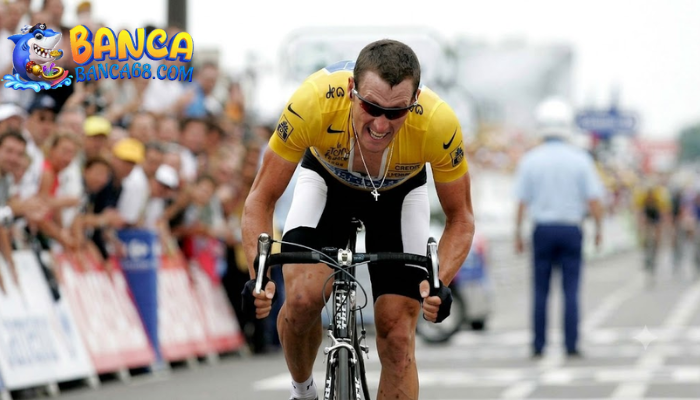
The eventual unraveling of the dominant narrative surrounding Lance Armstrong led to a profound shift in how the world views professional achievements. The investigation conducted by anti-doping authorities revealed a sophisticated system designed to circumvent the rules of the time. This revelation forced a massive re-evaluation of previous results and led to the stripping of multiple titles, sending shockwaves through the sporting community. For those who value transparency in their entertainment, much like the fairness expected in a Game bắn cá đổi thưởng , the breach of trust was a significant turning point.
In addition, the legal and social consequences of the investigation highlighted the vulnerabilities within international sports governance. The process of uncovering the truth required the testimony of former teammates and a rigorous analysis of biological data that had been collected over several years. Notably, the fallout from this case led to the implementation of the biological passport system, which has since become a cornerstone of modern anti-doping efforts. This legacy of increased scrutiny is perhaps the most lasting technical impact of the era.
Weaponizing Transparency: How to Restore Integrity in Cutthroat Cultures
The aftermath of the scandal necessitated a complete overhaul of the professional cycling infrastructure to prevent a recurrence of such systemic issues. New leadership within the governing bodies focused on creating a culture of openness and accountability, encouraging athletes to speak out against unethical practices. This transition was difficult for many fans who had invested years of emotional energy into the previous era’s heroes. Another key aspect of this recovery was the emergence of a new generation of riders who prioritized clean competition and shared data.
For those who continue to follow the sport, the lessons learned during this period remain highly relevant to discussions about ethics and performance. The focus has shifted from individual dominance to collective integrity, ensuring that the achievements of today’s riders are viewed through a more objective lens. Beyond that, the ongoing dialogue about forgiveness and the role of former champions in the sport continues to evolve as the community seeks a path forward that honors both the history and the future of racing.
Reflections on the Lasting Influence of Lance Armstrong
When we look back at the career of Lance Armstrong, we see a legacy that is permanently divided between incredible philanthropic success and a complex sporting history. The athlete remains one of the most polarizing figures in the world, representing both the heights of human potential and the pitfalls of unchecked ambition. His journey serves as a reminder that the pursuit of greatness must be balanced with a commitment to the rules that define the field of play. For those who appreciate the nuances of a high-stakes Game bắn cá đổi thưởng, the story is a masterclass in the consequences of strategic decisions made under pressure.
Conclusion
Ultimately, the impact of this individual on the world of cycling and cancer advocacy cannot be erased, regardless of the controversies that followed. The funds raised for research and the awareness brought to patient care continue to provide benefits to millions of people worldwide. As the sport of cycling moves further into the twenty-first century, the lessons of the past serve as a guide for maintaining a balance between competitive drive and ethical responsibility. Create an account today to discover how these legendary figures continue to influence our perception of merit and honesty across different industries. To test your own focus and tactical skills, engage with a Game bắn cá đổi thưởng right now.
