

Table of Contents
1. Understanding the Mechanism of Desogestrel
2. The Initial Transition Phase and Breakthrough Bleeding
3. Why Your Period Might Disappear Entirely
4. Managing Side Effects in the First Ninety Days
5. The Importance of Consistency and Timing
6. Evaluating Your Suitability for the Progestogen Only Pill
7. When to Consult a Medical Professional
8. Navigating Long Term Hormonal Balance
Understanding the Mechanism of Desogestrel
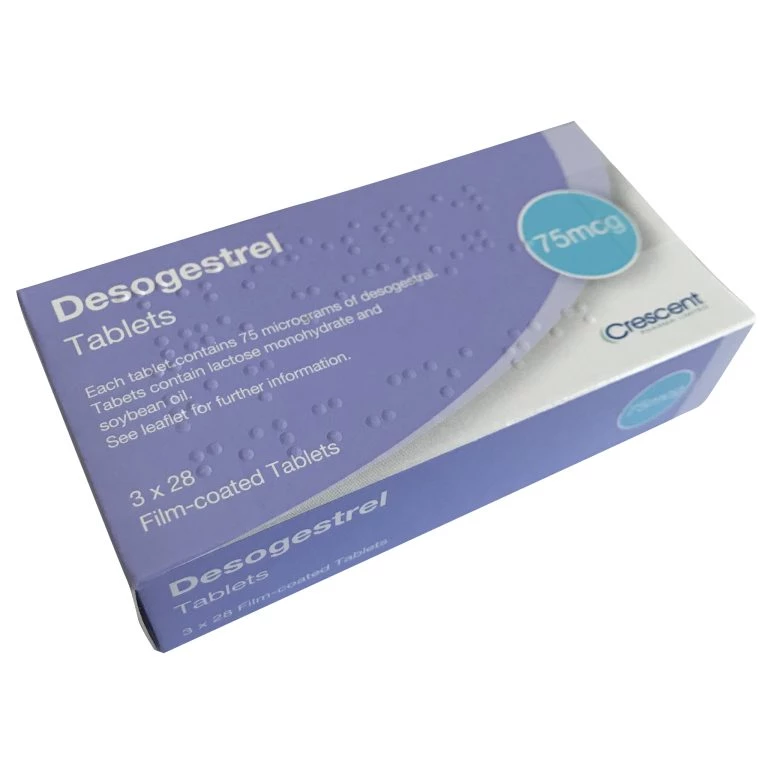
Desogestrel is a specific type of progestogen only pill, often referred to as the mini pill, but with a significant difference from older generations of oral contraceptives. While traditional mini pills primarily work by thickening cervical mucus to prevent sperm from reaching an egg, desogestrel is potent enough to consistently inhibit ovulation in approximately ninety nine percent of cycles. This dual action makes it highly effective for pregnancy prevention, but it also means that the way your body handles its monthly cycle will undergo a profound transformation.
When you begin taking this medication, you are introducing a steady stream of synthetic progesterone into your system. Unlike the combined pill, which contains estrogen and usually involves a seven day break to allow for a withdrawal bleed, desogestrel is taken every single day without interruption. This constant hormonal presence prevents the sharp drop in hormones that usually triggers a period. Consequently, your uterine lining may become thinner over time, which is why many users experience lighter or absent periods after the initial adjustment phase.
The Biological Shift in Your Cycle
During a natural menstrual cycle, your body goes through a complex dance of estrogen and progesterone. Estrogen builds up the lining of the womb, and progesterone stabilizes it. When you take desogestrel, the lack of estrogen in the pill means that the lining of the womb does not build up in the same way. This is the primary reason why periods change so drastically. Understanding this biological shift is crucial for managing your expectations during the first few months of use.
The Initial Transition Phase and Breakthrough Bleeding
The most common concern for new users is the unpredictability of bleeding during the first three to six months. Statistics suggest that about forty percent of women will experience irregular bleeding when they start. This is often referred to as breakthrough bleeding or spotting. It occurs because the body is adjusting to the new hormonal environment and the lining of the womb is becoming thinner and less stable.
Managing your period on desogestrel what to expect during the first few months often involves prepared patience, and many women find it helpful to source their medication from reputable providers like Post My Meds to ensure they have a consistent supply during this transition. During these early weeks, you might find that you bleed more frequently than usual, or you might have light spotting that lasts for several days at a time. This is generally not a cause for alarm, as it is simply the physiological process of the body recalibrating its endocrine response.
Tracking Your Patterns
1. Keep a detailed symptom diary for the first three months to track bleeding days.
2. Note the intensity of the flow, as spotting is different from a heavy period.
3. Observe if the bleeding correlates with any missed or late pills.
4. Use this data when discussing your progress with a healthcare provider.
Why Your Period Might Disappear Entirely
One of the most significant benefits for many users of desogestrel is amenorrhea, which is the total absence of periods. Around twenty percent of women find that their periods stop completely after a few months of use. This happens because the progestogen keeps the lining of the womb so thin that there is essentially nothing to shed. While this can be a welcome relief for those who suffer from painful or heavy periods, it can also cause anxiety for those who rely on a monthly bleed as a sign that they are not pregnant.
If your periods stop, it is important to remember that this is a recognized and safe side effect of the medication. As long as you are taking the pill correctly and at the same time every day, the absence of a period is a sign that the medication is working effectively to suppress the reproductive cycle. For those looking to start this journey, Post My Meds offers a convenient way to access professional advice and regular prescriptions.
Managing Side Effects in the First Ninety Days
Beyond changes to your bleeding pattern, the first ninety days may bring other minor side effects as your systemic chemistry adjusts. Some women report skin changes, such as mild acne, or mood fluctuations. These are typically transient. Because desogestrel does not contain estrogen, it is often a preferred choice for women who experience migraines with aura or those who have a higher risk of blood clots.
Common Physical Adjustments
1. Breast tenderness or sensitivity during the first two cycles.
2. Small changes in libido as the body adapts to inhibited ovulation.
3. Mild headaches which usually resolve after the first month.
4. Changes in appetite or slight fluid retention.
It is helpful to approach these changes with a holistic mindset. Maintaining a healthy diet, staying hydrated, and ensuring adequate sleep can help mitigate some of the hormonal fluctuations. If you find that side effects are persistent beyond the four month mark, it may be worth discussing an alternative progestogen with a specialist.
The Importance of Consistency and Timing
Unlike some older mini pills that had a very narrow three hour window for error, desogestrel has a twelve hour window. However, for the best management of your cycle and to minimize breakthrough bleeding, consistency is vital. Taking the pill at the exact same time every day keeps the hormone levels in your blood stable. When levels fluctuate because of late doses, the lining of the womb can become unstable, leading to spotting.
When you obtain your desogestrel prescription online through Post My Meds, you receive clear instructions on how to maintain this routine. Setting a daily alarm on your phone is the most effective way to ensure you never miss a dose. If you do miss a pill, refer to the patient information leaflet immediately, as the advice varies depending on how many pills were missed and where you are in the pack.
Evaluating Your Suitability for the Progestogen Only Pill
Not every contraceptive is right for every individual. Desogestrel is particularly well suited for smokers over thirty five, breastfeeding mothers, and those with high blood pressure. Because it lacks estrogen, it avoids many of the cardiovascular risks associated with the combined pill. However, if you have a history of certain types of liver disease or breast cancer, it may not be the right choice for you.
Medical history plays a significant role in how your body reacts to the medication. When using services like Post My Meds, you are required to complete a medical assessment which ensures that desogestrel is a safe and appropriate option for your specific health profile. This screening process is essential for long term reproductive health and helps predict how your menstrual cycle might respond to the hormones.
When to Consult a Medical Professional
While irregular bleeding is normal in the beginning, there are certain signs that should prompt a consultation with a doctor. If you experience heavy, prolonged bleeding that requires changing a high absorbency pad every hour, or if you develop severe abdominal pain, you should seek medical advice. These symptoms are not typical of a standard adjustment to desogestrel.
1. Persistent heavy bleeding that lasts more than two weeks.
2. Severe pelvic pain that is not relieved by over the counter medication.
3. Sudden, unexplained changes in your vision or severe dizziness.
4. A positive pregnancy test despite taking the pill correctly.
Most users find that their symptoms settle down by the six month mark. If you reach this point and are still unhappy with your bleeding pattern, your doctor might suggest a different method or investigate underlying causes like polyps or infections that could be contributing to the irregularity.
Navigating Long Term Hormonal Balance
Once you move past the initial six months, you will likely enter a phase of stability. For most, this means either no periods at all or very infrequent, light spotting. This state of hormonal plateau is generally very manageable and allows for a lifestyle free from the monthly disruptions of a natural cycle. Many women report an improvement in premenstrual syndrome symptoms, as the pill eliminates the hormonal peaks and troughs associated with ovulation.
By choosing a reliable pharmacy service such as Post My Meds, you can ensure that your long term contraceptive needs are met with ease, allowing you to focus on the benefits of your regulated cycle. Whether your goal is pregnancy prevention or the management of painful periods, desogestrel offers a robust solution once the initial adjustment period is navigated successfully.
Staying Empowered Through the Adjustment Period
The journey of starting a new contraceptive is a personal one that requires both physical and mental preparation. By understanding that the first few months are a period of transition, you can remove the stress associated with unpredictable cycles. The key is to remain patient with your body as it learns to function on a new hormonal baseline. Most women find that the convenience of a daily pill and the reduction in menstrual symptoms far outweigh the temporary inconvenience of early spotting. Stay informed, stay consistent with your dosage, and keep an open line of communication with your healthcare providers to ensure your contraceptive choice continues to serve your health and lifestyle needs effectively.
