

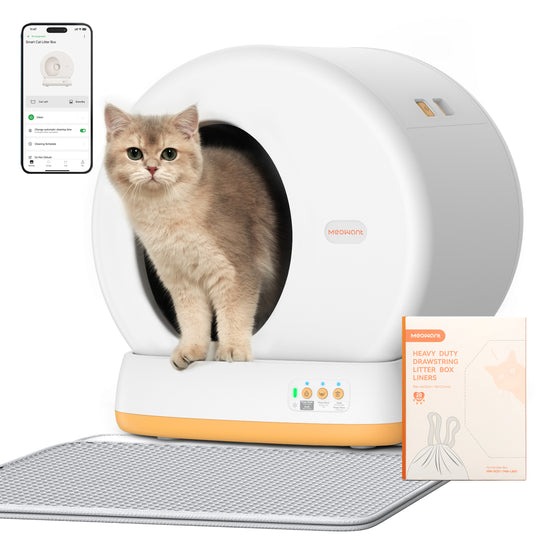
You brought your cat home on a Friday. By Sunday, you were already Googling “how to get rid of litter box smell” and wondering if daily scooping was really going to be your life now. If that sounds familiar, you’re not alone. For first-time cat owners, the litter box often becomes the most dreaded part of an otherwise joyful experience — the odor that creeps through the apartment, the scattered litter on the floor, the twice-daily ritual of scooping that nobody warned you about.
Hands-free cat litter trays exist precisely to solve this problem. These self-cleaning devices handle waste removal on their own, cycling through a cleaning process after each use and depositing waste into a sealed compartment — no scooping required. The result is a consistently clean box, dramatically reduced odor, and a meaningful chunk of your time and mental energy returned to you.
This article is designed to walk first-time owners through everything they need to know: how automatic litter boxes actually work, which features matter most for both your cat’s comfort and your convenience, and how to choose and set up the right model for your home. Cat ownership should be rewarding, not exhausting — and the right litter tray makes all the difference.
Why a Hands-Free Litter Box is a Game-Changer for First-Time Owners
There’s a particular kind of dread that sets in around day three of cat ownership — the moment you realize that scooping isn’t a one-time task, it’s a permanent fixture of your daily routine. Traditional litter boxes demand attention twice a day at minimum. Miss a session, and the odor announces itself to anyone who walks through your front door. For someone still adjusting to the rhythms of pet ownership, that pressure adds up fast.
An automatic litter tray removes that pressure almost entirely. Rather than waiting for you to intervene, the unit runs its own cleaning cycle shortly after your cat exits — typically within five to thirty minutes, depending on the model. A sensor detects when the cat has left, triggers the mechanism, and deposits waste into a sealed drawer or compartment. By the time you’d normally be reaching for a scoop, the job is already done.
The consistency this creates is one of its most underappreciated benefits. Cats are fastidious by nature and will avoid a dirty box, which can lead to accidents elsewhere in your home. An automated system keeps the litter surface clean after every single use, which means your cat always has a fresh space available — and you’re far less likely to find unpleasant surprises on your bathroom rug.
Odor control improves dramatically as well. The sealed waste compartment traps smell at the source rather than letting it diffuse through the room. For apartment dwellers or anyone with limited square footage, this difference is immediately noticeable. But perhaps the most significant benefit is psychological: knowing the litter situation is handled without your direct involvement frees up mental bandwidth that new owners desperately need. Cat care becomes something you enjoy rather than something you manage around.
Key Features of Modern Hands-Free Litter Trays: Design and Function
The Heart of the System: Understanding the Automated Cleaning Cycle
At its core, every automatic litter tray relies on one of three cleaning mechanisms: a rotating rake that combs through the litter and pushes clumps into a collection drawer, a sifting system that separates waste by lifting and filtering the litter bed, or a rotating globe that tumbles the entire chamber to deposit clumps through an internal opening. Each approach accomplishes the same goal — isolating waste without human involvement — but they differ in thoroughness, litter compatibility, and noise output.
The cleaning cycle itself follows a predictable sequence. An infrared or weight-based sensor detects when your cat enters and exits the box. After a programmable delay — usually five to thirty minutes — the mechanism activates, separates the waste, and deposits it into a sealed compartment or liner bag. That delay matters: it gives clumps time to fully solidify before the cycle runs, which means cleaner separation and less litter waste. Safety sensors are equally important; quality models will immediately halt the cycle if the cat re-enters mid-clean, preventing any risk of contact with moving parts. Brands like Meowant have built their self-cleaning designs around exactly these safety and sensor standards, which is a useful benchmark when evaluating what a well-engineered unit should offer. Look for units that operate below 45 decibels — roughly the level of a quiet conversation — so the noise doesn’t startle a skittish cat or disturb a light-sleeping owner.
Litter Box Design Focused on Feline Comfort
A self-cleaning mechanism means nothing if your cat refuses to use the box. Entry height is the first design detail to evaluate: kittens and senior cats need a low-profile opening of two to three inches, while larger breeds require a wider, taller interior that doesn’t force them to crouch uncomfortably. As a general rule, the interior should be at least one and a half times the length of your cat from nose to tail base.
The choice between hooded and open designs affects both odor containment and feline preference. Hooded units trap smell more effectively and give anxious cats a sense of enclosure, but some cats — particularly those who are new to the home — find covered spaces intimidating at first. If your cat shows hesitation, an open-top model with a high splash guard offers a middle ground. Noise level during the cleaning cycle also shapes whether a cat accepts the device long-term; a sudden grinding or rattling sound during or after use can create a negative association that’s difficult to reverse. Prioritizing quieter motor systems during your selection process pays dividends in consistent litter box use down the line.
How to Choose the Right Hands-Free Tray for Your Cat and Home
Selecting the right automatic litter box comes down to matching the unit’s capabilities to your specific situation — your cat’s size and habits, your living space, and how much ongoing effort you’re willing to invest. Start with your cat. A Maine Coon or similarly large breed needs a spacious interior and a robust motor; a standard-sized unit designed for average cats will feel cramped and may struggle to handle larger waste deposits. If you have multiple cats, look for models explicitly rated for multi-cat households, as these typically feature larger waste compartments and faster cycle times to keep up with higher traffic.
Litter compatibility is another decision point that catches many buyers off guard. Most rotating globe systems require clumping litter to function correctly — the mechanism depends on solid clumps forming cleanly before the cycle runs. Rake-based systems tend to be more flexible, working with both clumping clay and crystal litters. Crystal litter absorbs odor exceptionally well and produces less dust, making it a strong choice for apartments, but confirm your chosen model supports it before purchasing.
Space and noise are practical constraints worth measuring before you buy. Check the unit’s footprint against your intended placement area, accounting for the waste drawer extending outward when opened. For shared living spaces or thin-walled apartments, motor noise during the cleaning cycle matters more than it might seem — look for independently verified decibel ratings rather than manufacturer claims alone. Use this checklist when comparing models:
- Interior dimensions relative to your cat’s size
- Waste compartment capacity for your number of cats
- Litter type compatibility
- Verified noise level during cleaning cycle
- Availability and cost of replacement liners or bags
That last point — ongoing consumable costs — is easy to overlook during the initial purchase but adds up significantly over time. Factor it into your total budget before committing to a model.
Setup, Maintenance, and Ensuring Long-Term Success
Getting your automatic litter tray up and running takes about fifteen minutes, but doing it correctly from the start saves you from troubleshooting headaches later. Begin by placing the unit in a quiet, low-traffic area — a corner of the bathroom or a dedicated laundry room spot works well. Avoid positioning it directly next to the food bowl; cats instinctively prefer separation between eating and elimination spaces. Fill the litter to the manufacturer’s indicated line, not above it. Overfilling is one of the most common setup mistakes and can jam the mechanism or trigger false sensor readings.
Introducing your cat to the new device requires patience, especially if they’ve used a traditional box before. Place the automatic tray in the same location as the old one, and keep the original box nearby for the first week rather than removing it immediately. Let your cat investigate the new unit on their own terms. Once they’ve used it successfully two or three times, you can retire the old box. Avoid running the cleaning cycle manually while your cat is in the room during this adjustment period — the sound and movement can create a negative association before the habit is established.
Ongoing maintenance is straightforward but shouldn’t be neglected. Empty the waste drawer every three to seven days depending on how many cats use the box, and wipe the drawer interior with an unscented cleaner each time. Every two to four weeks, perform a deeper clean: remove all litter, wash the interior chamber with warm water and mild soap, and allow it to dry completely before refilling. Check the sensors monthly by running a manual cycle and confirming the mechanism stops when you pass your hand through the entry. If your cat suddenly stops using the box, check for litter level issues, sensor obstructions, or residual odor inside the waste compartment — these three causes account for the vast majority of avoidance problems.
The Right Litter Tray Transforms Your Cat Ownership Experience
The leap from traditional litter box to an automatic, hands-free system is one of the most practical upgrades a first-time cat owner can make. What starts as a daily chore — scooping, deodorizing, hoping the smell doesn’t reach the living room — becomes a background process you barely think about. That shift in mental load is real, and it changes how you experience life with your cat.
The key takeaways are straightforward: automated cleaning cycles keep the litter surface consistently fresh, sealed waste compartments eliminate the odor problem at its source, and thoughtful design features like quiet motors and appropriately sized entry points ensure your cat actually uses the device. Choosing the right model means matching those features to your specific circumstances — your cat’s size, your home’s layout, and your tolerance for ongoing consumable costs.
None of this requires being a tech-savvy person or a seasoned pet owner. It requires fifteen minutes of setup, a week of patient introduction, and a simple maintenance rhythm. In return, you get a cleaner home, a more comfortable cat, and the mental freedom to focus on the parts of pet ownership that actually brought you joy in the first place. Invest in the right litter tray early, and you’ll wonder how you ever managed without it.
