

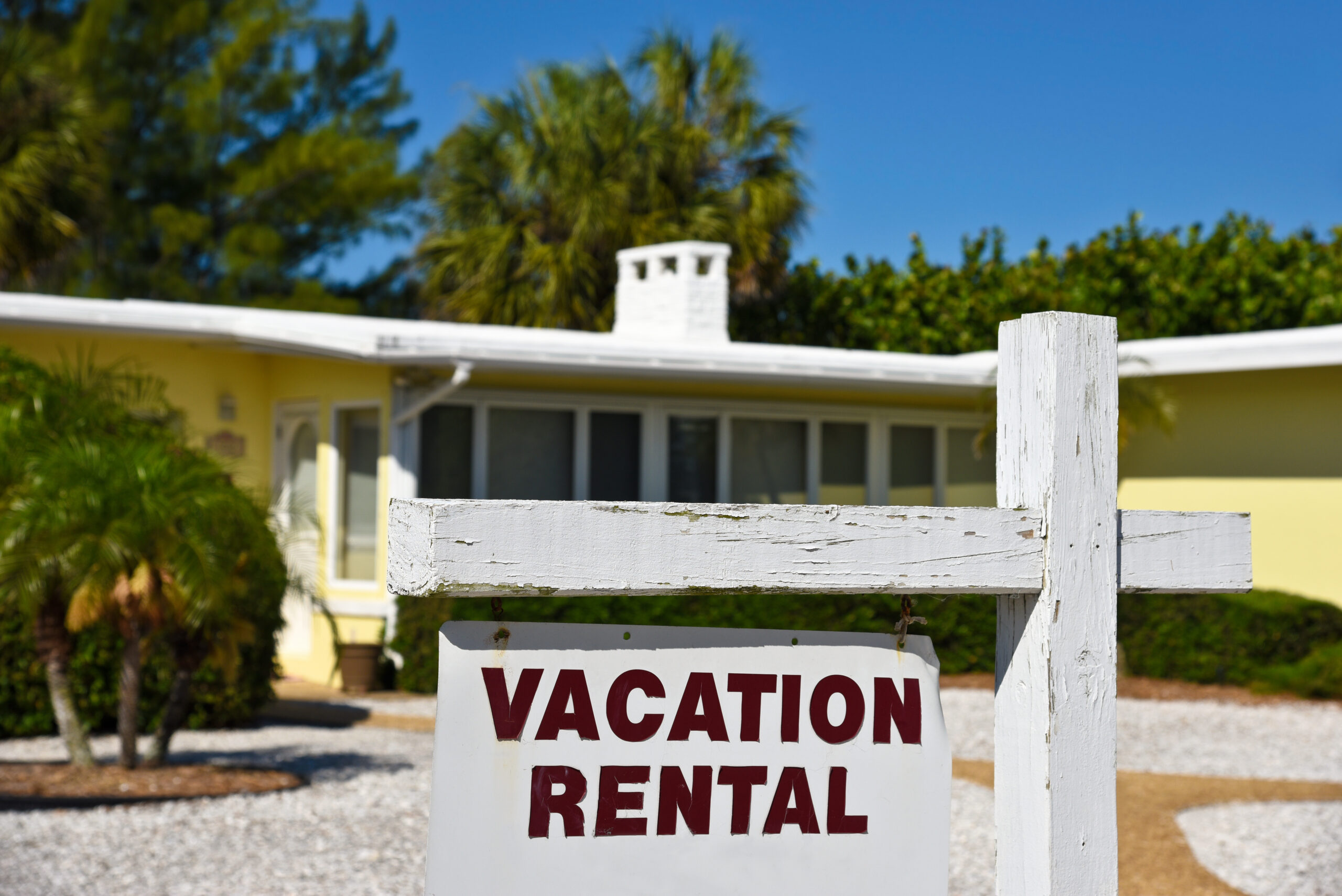
Owning a condominium near the coast comes with a distinct set of responsibilities that most inland property owners never encounter. The combination of short-term rental activity, shared building infrastructure, and coastal environmental exposure creates a coverage situation that standard insurance products were not designed to address. Many condo owners discover this only after a claim is filed — and partially or fully denied. The gap between what a policy appears to cover and what it actually covers in a coastal rental context is not a technicality. It is a structural problem that affects how owners manage financial risk year-round.
This is especially true for owners who rent their units seasonally or through short-term rental platforms. The insurance profile of a rented coastal condo differs significantly from an owner-occupied unit, a standard residential rental, or even an inland vacation property. Understanding where standard policies fall short is not a matter of reading fine print — it requires knowing how coastal property exposure, rental liability, and condo association frameworks intersect.
Why Coastal Rental Condos Require a Different Coverage Framework
Standard condo insurance — often called an HO-6 policy — was designed primarily for owner-occupied units in relatively stable environments. It covers the interior of the unit, personal property, and liability arising from personal use. When a condo is rented to short-term guests in a coastal environment, the assumptions built into that policy structure stop reflecting reality fairly quickly. Owners who rely on rental condo insurance at beach properties rental condo insurance at beach as a category need coverage that accounts for rental income exposure, guest liability, and the elevated risk profile that comes with proximity to the ocean.
The coastal environment introduces risks that standard HO-6 policies either exclude outright or limit significantly. Salt air accelerates wear on building materials. Humidity creates conditions favorable to mold growth. Storm surge and wind-driven rain follow different rules than standard water damage. These are not fringe scenarios — they are regular operational conditions for a property located near the shore. A policy that does not account for them will eventually leave an owner exposed in a way that is difficult to recover from financially.
The Rental Activity Exclusion Most Owners Miss
One of the most consequential gaps in standard condo insurance is the treatment of rental activity itself. Most HO-6 policies contain language that limits or voids coverage when the unit is regularly rented to others. The policy is written on the assumption that the insured occupies the space as a primary or secondary residence. When guests occupy the unit in exchange for payment — regardless of the platform used to arrange that transaction — the nature of the risk changes in the insurer’s assessment.
This does not mean coverage disappears entirely the moment a unit is rented. What it means is that specific claim scenarios become contested. A guest who is injured in the unit may fall outside the personal liability section of a standard policy if the insurer determines that the property was being operated commercially at the time of the incident. Similarly, damage caused by a guest — whether accidental or due to negligence — may be treated differently than damage caused by the owner or an invited personal guest. Owners who have never reviewed their policy with this distinction in mind are often surprised to find how much of their assumed protection was conditional.
What Standard Policies Typically Exclude in Coastal Environments
The exclusions most relevant to beach rental condo owners cluster around a few categories that are worth examining individually. Understanding what is not covered is as important as understanding what is, because the financial consequences of a denied claim near the coast can be substantial.
Flood Damage and Storm Surge
Standard homeowners and condo insurance policies do not cover flood damage. This is a broadly understood fact, but its implications in a coastal context are more significant than most owners realize. Flood, as defined by insurance policy language, includes storm surge — the water that pushes inland during a hurricane or tropical storm. A unit located on or near a beachfront property faces measurable exposure to this risk every storm season.
Separate flood insurance is available through the National Flood Insurance Program, but it carries its own limitations. It does not cover loss of rental income. It may not cover all personal property. And the relationship between a condo unit’s flood coverage and the building’s master flood policy — if one exists — requires careful examination. Owners sometimes assume the association’s policy handles flood exposure for the entire structure, including individual units, when in practice it may not.
Loss of Rental Income
When a property is damaged and temporarily uninhabitable, a standard condo policy may include loss of use coverage. However, this coverage is typically calculated based on the cost of alternative accommodation for the owner — not the rental income the property would have generated. For an owner who derives meaningful income from seasonal rentals, this distinction matters considerably. A storm that renders the unit unrentable for six weeks during peak season represents a loss that loss of use provisions in a standard policy are not structured to replace.
Rental income protection requires a separate endorsement or a policy specifically written for short-term rental properties. Without it, the financial damage from a covered physical loss extends well beyond the repair costs into income replacement — a gap that is rarely visible until after a claim event occurs.
Guest Liability in a Commercial Context
Personal liability coverage in a standard condo policy protects the owner when a guest is accidentally injured on the property. However, insurers distinguish between social guests and paying guests. When compensation changes hands, the relationship shifts from personal to commercial, and liability coverage written for personal use may not apply to incidents involving paying tenants.
This creates real exposure for condo owners who rely on their standard policy’s liability section to cover them during rental periods. A guest who slips on a wet balcony, is injured by a piece of furniture, or suffers an illness related to conditions in the unit may pursue a liability claim that the policy is not positioned to cover. Rental-specific liability endorsements or standalone commercial liability policies address this directly, but they require owners to recognize the gap in the first place.
The Association Master Policy and Its Limits
Condo associations typically carry a master insurance policy covering the building structure, common areas, and shared systems. Owners sometimes assume this coverage extends into their individual units or that it provides a layer of protection that reduces their personal coverage needs. In practice, the relationship between a master policy and an individual unit owner’s policy is more complicated.
Bare Walls, Single Entity, and All-In Policies
Master policies generally fall into one of three categories based on what they cover within individual units. A bare walls policy covers the building structure only, leaving everything from the drywall inward to the unit owner. A single entity policy covers standard original fixtures and finishes, but not improvements made by the current owner. An all-in policy provides the broadest coverage, extending to fixtures, appliances, and sometimes personal property.
Most condo owners do not know which type of master policy their association carries. This information is material to how individual unit coverage should be structured. An owner in a bare walls building who carries minimal interior coverage based on an incorrect assumption about the master policy is significantly underinsured in any scenario involving structural damage that enters the unit — including from a coastal weather event.
Assessment Coverage and Loss of Common Areas
When a building sustains significant damage, condo associations may levy special assessments against unit owners to cover repair costs that exceed the master policy limits. These assessments can be substantial following major storm events. Some individual condo policies include a loss assessment provision that covers a portion of these charges, but the limits are often set at a level that does not reflect the realistic scale of coastal storm damage. Owners of beach rental condos are statistically more likely to face this scenario than inland owners, and their coverage should reflect that.
How Rental Condo Coverage at the Beach Should Be Structured
Addressing these gaps does not require replacing a standard policy entirely. In many cases, it requires building a coordinated set of coverages that together reflect the actual risk profile of the property. The components that coastal rental condo owners typically need to address include rental income protection, flood coverage independent of the association’s policy, guest liability appropriate for a short-term rental context, and interior coverage calibrated to the actual replacement cost of the unit’s contents and finishes.
The challenge is that these components do not always come from a single insurer or product. Owners may need to work with a provider who understands both the coastal property context and the short-term rental market to ensure that the pieces fit together without gaps or overlaps that create confusion at claim time. Reviewing the association’s master policy declarations is a starting point, not an afterthought.
• Confirm the type of master policy the association carries before calculating interior coverage needs
• Add flood insurance separately and verify that it covers rental income loss, not just physical damage
• Ensure liability coverage explicitly extends to paying guests and short-term rental occupancy
• Include a loss assessment provision with limits that reflect coastal storm event costs
• Document rental income history so that income replacement coverage can be set at a defensible level
Closing Thoughts
The coverage gaps in standard condo insurance are not obscure. They are consistent, predictable, and widely documented — yet they continue to affect owners who have not taken the time to examine their policies against the actual conditions of their property and its use. For a beach rental condo, that examination is not optional. The combination of rental activity, coastal exposure, and shared building infrastructure creates a risk profile that standard products were not built to address.
Owners who approach coverage as a formality — something to have rather than something to understand — are the most likely to discover its limits at the worst possible moment. The alternative is not complicated. It requires asking specific questions about what is covered, under what circumstances, and whether the coverage in place reflects how the property actually operates. In a coastal rental context, those questions have clear, answerable answers. Getting those answers before a claim arises is the only point at which they are still useful.
