

Summer camp gives your child a structured way to explore new interests, build social skills, and get active away from screens. Pick the right type of program—day camp, specialty STEM or arts camp, sports camp, or overnight camp—and you’ll match activities and supervision to your child’s age, temperament, and your schedule.
You’ll also need to plan ahead for registration, paperwork, and basic packing so the transition goes smoothly and you secure the spots that fill up early. The rest of this article Summer Camps breaks down camp options, registration timing, and simple preparation tips to help you choose confidently and get everything in order.
Types of Programs
Choose based on how much supervision, independence, and skill focus you want for your child. Each option balances daily routine, staff-to-camper ratio, and activity intensity in different ways.
Day Camps
Day camps run during daytime hours and return campers to home each evening. You get predictable drop-off and pick-up times, which fits work schedules and keeps lodging costs out of the equation.
Typical day-camp formats:
- Full-day (usually 8–9 hours) with structured blocks for activities, lunch, and rest.
- Half-day options for younger kids or families with tight schedules.
- Weekly themes (sports, STEM, arts) that rotate to keep engagement high.
Look for staff ratios, licensed care (if required in your region), and on-site medical policies. Ask whether the camp provides meals, handles medication, or offers extended-care hours. Day camps suit kids who need routine and family evenings, and they often emphasize skill-building plus drop-in flexibility.
Overnight Camps
Overnight (sleepaway) camps house campers on-site for multiple days or weeks. You get an immersive experience: continuous supervision, evening programming, and deeper social bonding among campers.
Key features to check:
- Cabin composition (age/group size), counselor background checks, and 24/7 medical access.
- Session lengths from long weekends to multi-week stays; shorter sessions ease first-time separation.
- Activity structure, including evening activities, wilderness trips, or competitive teams.
Overnight camps demand readiness for sleepaway living and may require immunization records and packing lists. They accelerate independence, friendship formation, and skills that benefit from uninterrupted practice—kayaking, backpacking, or theater rehearsals, for example.
Specialty Camps
Specialty camps concentrate on one discipline, offering deeper instruction and often higher coach-to-student ratios. You get focused curricula and measurable progress in a specific area.
Common specialty types:
- STEM: robotics, coding, engineering projects with project-based outcomes.
- Arts: visual arts, music, theater with showcases or recitals.
- Sports: intensive skill clinics, position-specific training, and performance evaluation.
- Adaptive/special-needs: tailored staffing, individualized plans, and specialized equipment.
Evaluate instructor credentials, assessment methods, and whether the camp prepares campers for competitions or public performances. Specialty camps work best when your child has a clear interest and wants concentrated practice rather than a broad sampling of activities.
Registration and Preparation
Register early, confirm deadlines, and gather health and contact information so you won’t scramble at the last minute. Pack practical clothing, medication, and clearly labeled gear to keep your child comfortable and safe.
Choosing the Right Camp
Decide on location, session length, and program focus first. Choose between day and overnight options based on your child’s age, sleep-away experience, and how much separation you want. Check staff-to-camper ratios and ask for background checks, training details, and counselor turnover rates to assess supervision quality.
Verify accreditation, licenses, and insurance. Review the sample daily schedule and specialty offerings—swimming instruction, horseback riding, STEM labs, or arts—to match your child’s interests and skill level. Confirm health services on site: nurse availability, emergency protocols, and how they handle allergies or chronic conditions.
Compare cost against what’s included. Note registration deadlines, deposit amounts, refund policies, and any extra fees for trips, equipment, or meals to avoid surprise charges.
Essential Packing List
Start with identification and documentation: signed medical forms, insurance card copies, and emergency contacts in a waterproof pouch. Include prescription medication in original containers plus a written dosing schedule and authorization for staff to administer it.
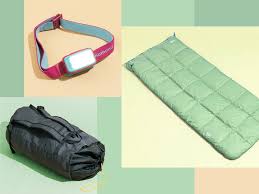
Pack clothing for the expected weather plus one extra full outfit; include sturdy shoes, a hat, and a rain jacket. Bring sunscreen (SPF 30+), insect repellent, and a reusable water bottle labeled with your child’s name. For overnight camps, include a sleeping bag rated for the season and a pillow in a washable cover.
Label everything and use a checklist to cross off items as you pack. Add small comforts: a flashlight with fresh batteries, a small laundry bag, and sealed envelopes for pre-addressed, stamped letters if you want to encourage mail contact.
