

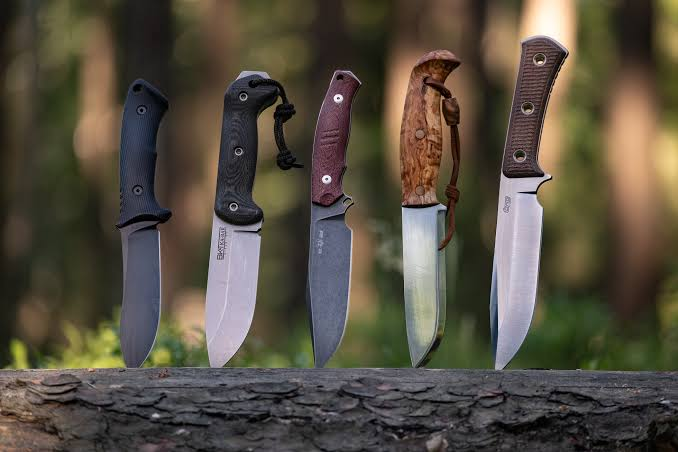
A good knife is one of the most useful tools you can own. Whether you cook every day, work on projects around the house, or spend weekends in the outdoors, the right blade makes every task easier, faster, and safer. But with so many types of knives on the market, choosing the best one can feel confusing.
This guide will walk you through the main types of knives for home and outdoor use, explain what makes a quality blade, and show you why handmade options like Damascus steel are so popular today.
Why Choosing the Right Knife Matters at Home and Outdoors
Not every knife works for every job. A blade that is great for slicing tomatoes will struggle to split kindling. A rugged outdoor knife will feel heavy and clumsy in the kitchen. Choosing the right knife saves you time, protects your fingers, and helps the blade last for many years.
Matching a Knife to the Intended Task
Think about what you actually need the knife for. Chopping vegetables, opening boxes, skinning game, or shaving wood all call for different shapes and sizes. A single “do-everything” knife rarely does anything really well, so it helps to pick tools that match the work you do most.
Blade Quality and Long-Term Durability
Cheap steel dulls fast, chips, or even rusts. A well-made blade holds its edge longer, sharpens easily, and stays reliable through years of use. Spending a little more up front usually saves you money in the long run because you will not need to replace the knife.
Comfort, Balance, and Safe Handling
A knife should feel natural in your hand. If the handle is too small, too slippery, or badly balanced, you are more likely to slip and hurt yourself. Whenever possible, hold a knife before you buy it, or read reviews from real users to learn how it feels.
Best Types of Knives for Home Use
Most homes need at least a few good knives on hand. Here are the main ones worth owning.
Kitchen Knives for Everyday Food Preparation
A sharp chef’s knife is the workhorse of any kitchen. Add a paring knife for small tasks and a bread knife with a serrated edge, and you can handle almost any cooking job. Look for full-tang construction and comfortable, non-slip handles.
Utility Knives for General Household Tasks
Utility knives handle everything from opening packages to trimming garden twine to cutting rope. A folding pocket knife with a locking blade is a smart choice because it is safe to carry and easy to store in a drawer or on a keyring.
Specialty Knives for Specific Needs
Some jobs call for a specific tool. Boning knives, cleavers, fillet knives, and cheese knives all serve unique purposes. If you cook or craft often, adding a specialty blade or two can make your work much easier and more enjoyable.
Best Knives for Outdoor Activities
Outdoor knives face tougher conditions than kitchen knives. They need to handle wood, cordage, food prep, and even emergency situations, so they must be built stronger.
Camping and Hiking Knives
A good camping knife is medium-sized, tough, and easy to sharpen in the field. A fixed blade with a sturdy sheath works well because there are no moving parts to fail. Look for stainless or high-carbon steel that resists rust and holds an edge.
Hunting and Field Knives
Hunters need blades designed for skinning, gutting, and processing game. A curved drop-point blade is a classic choice for this work. The handle should stay grippy even when wet, cold, or covered in blood.
Bushcraft and Survival Knives
Bushcraft knives are built for wilderness tasks like carving, batoning wood, and building shelter. They usually have a thick spine, a flat grind, and a full tang for maximum strength when you push them hard.

Understanding Damascus Steel Knives
Damascus steel knives are known for their beautiful patterns and excellent performance. But what actually makes them special?
What Makes Damascus Steel Different?
Damascus steel is created by folding and forging together layers of different steels. This layering creates a strong, sharp blade with a striking wavy or swirled pattern on the surface. Each Damascus blade is one of a kind because no two forging processes produce exactly the same result.
Damascus Patterns and Handmade Craftsmanship
The patterns you see on Damascus blades, from tight ladders to flowing waves and raindrop designs, are created by the forging process. Skilled bladesmiths can guide the pattern to some extent, but no two blades ever look exactly alike, which is part of the appeal.
Why People Choose Damascus Knives
People choose Damascus for both looks and performance. The layered steel keeps a sharp edge, resists chipping, and creates a piece that feels more like a work of art than a simple tool. Many collectors buy Damascus knives just for the beauty of them.
Copper Damascus Knives and Their Distinctive Appeal
Among the different Damascus varieties, Copper Damascus stands out for its warm, glowing appearance and unique character.
Copper-Toned Damascus Patterns
Copper Damascus blades get their color from copper mixed into the layered forge process. The result is a blade with rich, warm reddish tones alongside the classic wavy pattern, something you will not find in regular Damascus steel.
Handmade Blade Construction
Each Copper Damascus piece is forged and finished by hand. Bladesmiths hammer, fold, grind, and polish the steel over many hours of work. That level of care shows in every finished blade, from the mirror polish to the shape of the handle.
Choosing a Damascus Design for Your Collection
Whether you like tight, controlled patterns or wild, flowing waves, there is a Damascus design to match your taste. If you are building a collection, browsing a full range of Copper Damascus knives is a great way to see the different styles available and pick one that fits your personal style.
What to Consider Before Buying a Knife
Before you spend your money, take a moment to think about a few important factors.
Blade Material and Construction
Stainless steel resists rust but can be harder to sharpen to a razor edge. High-carbon steel takes a very sharp edge but needs more care to prevent rust. Damascus combines properties of both, depending on the steels used in the layers.
Blade Shape and Size
A long blade covers more surface area but is harder to control in tight spaces. A short blade is precise but limited in what it can cut. Choose a shape that matches your main use rather than trying to pick one blade for everything.
Handle Material and Grip
Wood handles look classic and warm but need some care to prevent drying and cracking. Modern materials like Micarta, G10, and fiberglass handles are tough, waterproof, and grippy, which makes them great for everyday use and rough conditions.
Full-Tang Construction and Balance
A full-tang blade runs all the way through the handle in one solid piece of steel. This makes the knife stronger, safer, and better balanced than a partial-tang design. Always look for full tang if you plan to use the knife for demanding work.
Intended Use and Maintenance Requirements
Some knives need more upkeep than others. If you do not want to oil and polish your blade every week, pick a knife designed for low maintenance, like a stainless-steel utility blade with a synthetic handle.
Choosing a Knife for Home Projects and Outdoor Adventures
Different lifestyles call for different blades. Here is a quick guide.
Everyday Household Tasks
For everyday jobs like opening mail, cutting tape, or trimming loose threads, a small folding utility knife is more than enough. Keep it in a drawer or your pocket.
Camping and Outdoor Preparation
For camping trips, pack a medium fixed-blade knife. It is more reliable than a folding knife and handles heavier work like preparing kindling or slicing food at the campsite.
Hunting and Field Applications
For hunting, choose a knife specifically designed for skinning and dressing game. A drop-point blade with a comfortable, non-slip handle will do the job cleanly and safely.
Collecting Handmade and Specialty Knives
If you love the craftsmanship of handmade blades, collecting is a rewarding hobby. Damascus knives, folding knives, and even straight razors all make beautiful additions to a personal collection.
How to Care for Damascus and High-Quality Knives
Damascus and handmade knives will last a lifetime if you treat them right. Here is what to do.
Clean and Dry the Blade After Use
Always clean your knife with warm water and mild soap after every use. Dry it completely with a soft cloth. Even one drop of water left on the blade can start a rust spot on high-carbon or Damascus steel.
Protect the Blade From Moisture
A light coat of mineral oil or blade oil helps protect Damascus steel from rust. Wipe it on with a soft cloth and buff off the excess. Repeat this every few weeks, or more often in humid weather.
Store Knives in a Safe Location
Keep knives in a sheath, knife block, or drawer with blade protectors. Never leave them loose where they can bang against other tools, drop on the floor, or hurt someone reaching into the drawer.
Maintain the Cutting Edge Properly
Use a whetstone or honing rod to keep the edge sharp. Avoid pull-through sharpeners, because they remove too much steel and can damage the Damascus patterns you paid good money for.
How to Store Knives Safely at Home
Proper storage keeps your knives sharp and your family safe.
Knife Blocks and Protective Sheaths
A wooden knife block is a classic choice for kitchen knives. For fixed blades, always use a sheath. Leather or Kydex both work well and protect the edge from bumps and scratches.
Drawer Storage and Blade Guards
If you keep knives in a drawer, use plastic blade guards. This protects both the edge and your fingers when you reach in to grab a tool.
Keeping Sharp Tools Away From Children
Always store knives out of reach of children. A locked drawer or high shelf is much safer than a countertop block that a curious child can reach.
Avoiding Moisture and Humidity
Damp storage is the enemy of any blade. Choose a dry spot away from sinks, dishwashers, and humid basements. If you live in a wet climate, a small silica pack in the drawer helps absorb extra moisture.
Handmade Knives vs. Mass-Produced Knives
There is a big difference between a factory-made blade and one made by hand.
Differences in Craftsmanship
Factory knives are stamped or ground quickly, often by machines. Handmade knives are forged, shaped, and finished by a skilled craftsman. It is a slower process that produces a much better result.
Materials and Construction
Handmade knives usually use higher-quality steels and better handle materials. You will also find features like full tangs, hand-fitted bolsters, and carefully polished spines that mass-produced blades often skip to save time.
Unique Patterns and Handle Designs
Every handmade knife is slightly different from the next. Damascus patterns, wood grain, and handle shapes all vary, making each piece truly unique. No one else will have exactly the same knife you do.
Which Option Is Right for You?
If you just need a working tool, a mass-produced knife is fine. But if you want something beautiful, long-lasting, and personal, handmade is the way to go every time.
Building a Practical Knife Collection
Whether you use your knives daily or collect them for display, here is a smart way to build a set that covers all your needs.
Start With an Everyday Utility Knife
Begin with a reliable pocket knife or utility blade for daily tasks. This will get more use than any other knife you own.
Add a Kitchen Knife
Next, invest in a good chef’s knife. It will make cooking easier and more enjoyable, and a quality one lasts for decades.
Choose an Outdoor or Bushcraft Knife
Add a rugged fixed-blade knife for camping, hiking, or emergency use. Even if you rarely go outdoors, having one on hand is smart.
Add a Specialty Damascus Knife
Finally, treat yourself to a handmade Damascus piece to round out your collection. A handmade Copper Damascus straight razor with a fiberglass handle is a great example. It is beautifully patterned, precisely crafted, and a real conversation piece whether you display it or use it.
Common Mistakes When Buying Knives
Avoid these common mistakes when shopping for your next blade.
Choosing a Knife Only for Its Appearance
A pretty knife that does not fit your needs is just decoration. Always think about function first, then let looks be the tiebreaker between two good options.
Ignoring Handle Comfort
A blade you cannot hold comfortably will not get used. Try before you buy whenever possible, or read reviews carefully to learn how the handle feels for long tasks.
Selecting the Wrong Blade for the Intended Use
Do not try to use a kitchen knife outdoors or a survival knife for slicing bread. Match the blade to the task and you will get better results and a safer experience.
Neglecting Storage and Maintenance
Even the best knife will fail if you do not care for it. Plan for storage and upkeep before you buy, not after your new blade has already started to rust.
Final Thoughts on Choosing the Right Knife
A good knife is more than just a tool. It is an investment in your daily life. Take your time choosing blades that match your needs, feel great in your hand, and are built to last for years. Whether you go with a simple utility knife, a rugged outdoor blade, or a stunning handmade Damascus piece, the right choice will serve you well for a long time.
Handmade Damascus knives, especially Copper Damascus, offer a rare mix of beauty and performance you will not find in mass-produced blades. If you are ready to add a piece of true craftsmanship to your collection, start with a design that speaks to you and enjoy the results for a lifetime.
