

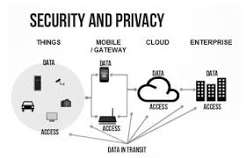
The Internet of Things has changed how organizations collect information, operate equipment, monitor environments, and deliver connected services. From smart healthcare devices and industrial systems to connected vehicles and enterprise networks, IoT technologies continuously generate and exchange data.
As connectivity expands, protecting these systems becomes increasingly important. An international conference on information systems security and privacy provides a useful setting for examining how organizations can strengthen IoT protection, manage information risks, and build greater confidence in connected technologies.
Why IoT Security Matters for Modern Organizations
IoT devices differ from traditional computers because they often operate continuously, communicate with multiple systems, and may have limited processing or security capabilities. A single compromised device can potentially become an entry point into a wider organizational environment.
For businesses, this creates several security concerns. Connected sensors may collect sensitive information, smart devices may communicate with cloud platforms, and industrial equipment can interact with operational technology networks. If these connections are poorly protected, attackers may exploit weaknesses to access systems, manipulate information, disrupt operations, or compromise confidential data.
IoT security therefore needs to be considered throughout the entire lifecycle of a connected device, from procurement and configuration to monitoring, maintenance, and retirement.
Protecting Data Generated by Connected Devices
Data privacy is one of the most important considerations in IoT environments. Devices can collect information about people, locations, behavior, usage patterns, and business operations. Depending on the application, this information may be commercially sensitive or personally identifiable.
Organizations should understand what information each device collects, why it is collected, where it is stored, and who can access it. Data minimization can help reduce unnecessary exposure by limiting collection to information that serves a defined purpose.
Encryption should also be considered when information moves between devices, applications, and cloud environments. Protecting stored information is equally important because compromised databases or storage systems can expose large quantities of sensitive data.
Device Authentication and Access Control
Every connected device represents a potential identity within an IoT ecosystem. Weak passwords, shared credentials, outdated authentication methods, or unnecessary privileges can create security gaps.
Strong device authentication helps organizations determine whether a device should be allowed to connect to a particular system. Access controls should also follow the principle of least privilege, allowing devices and users to access only the resources required for their functions.
For larger environments, identity management becomes especially important. Organizations may need to maintain inventories of connected devices, assign unique credentials, review permissions, and remove access when equipment is retired or compromised.
These practices can make it harder for attackers to move from one compromised device into other parts of an information system.
Network Segmentation Strengthens IoT Protection
IoT devices should not automatically have unrestricted access to enterprise networks. Network segmentation can separate connected devices from sensitive applications, databases, and critical systems.
For example, an organization could place smart building equipment on a dedicated network while keeping financial systems and sensitive employee information in separate environments. If an IoT device is compromised, segmentation can limit the attacker’s ability to move laterally.
Continuous monitoring can strengthen this approach. Security teams can look for unusual communication patterns, unexpected connections, abnormal device behavior, and repeated authentication failures.
Managing Vulnerabilities and Software Updates
IoT devices can remain operational for years, making vulnerability management essential. Manufacturers may release firmware updates to address security weaknesses, but organizations need processes for identifying affected devices and applying updates appropriately.
An effective IoT security program should maintain an accurate inventory of connected equipment. Security teams can then identify device versions, monitor vulnerability information, prioritize critical updates, and determine whether unsupported devices should be replaced.
Organizations should also consider security requirements before purchasing new connected equipment. Vendor security practices, update policies, authentication capabilities, encryption support, and product lifecycle commitments can all influence the long-term security of an IoT deployment.
IoT Security Across Critical Industries
The importance of IoT protection varies across industries, but the underlying principles remain relevant. In healthcare, connected devices can handle sensitive patient information and support essential services. In banking and financial services, connected technologies may interact with secure facilities and digital systems.
Manufacturing environments can use sensors and connected machinery to monitor production processes, while energy and infrastructure organizations may depend on connected operational technology. Telecommunications companies also manage extensive networks containing numerous connected components.
These environments demonstrate why IoT security cannot be treated as an isolated IT issue. Security, privacy, operational continuity, risk management, compliance, and business leadership often need to work together.
Building a Strong IoT Security Framework
A practical IoT security framework begins with visibility, helping organizations identify connected devices, communication pathways, and the information they process. Risk assessment can then highlight devices and systems that could create serious consequences if compromised. Critical assets may require stronger authentication, network segmentation, continuous monitoring, and additional safeguards.
Effective incident response planning is also essential for detecting compromised devices, isolating affected systems, investigating incidents, protecting evidence, and restoring operations.
Employee awareness further strengthens security by ensuring staff understand IoT requirements, recognize common threats, follow appropriate procedures, and contribute to safer management of connected technologies across organizational environments and networks.
The Role of Emerging Security Strategies
IoT security is increasingly connected with broader cybersecurity strategies such as Zero Trust, cloud security, digital forensics, and continuous threat monitoring. Zero Trust principles can help organizations avoid automatically trusting devices simply because they are connected to an internal network.
Cloud environments also require careful controls because many IoT deployments depend on cloud platforms for storage, analytics, device management, or application integration. Security teams therefore need visibility across both physical devices and digital infrastructure.
These developments are increasingly relevant to events in cyber security, where professionals can exchange perspectives on emerging threats, enterprise protection, cloud security, IoT risks, and evolving security practices.
Conclusion
IoT security is becoming an essential component of information systems protection as connected devices increasingly influence business operations and data flows. Effective strategies require authentication, segmentation, encryption, monitoring, vulnerability management, and privacy-focused governance. An international conference on information systems security and privacy can further encourage knowledge sharing around these evolving challenges and practical approaches to securing connected environments.
For organizations seeking meaningful cybersecurity engagement, knowledge sharing, and industry connections, CyFrica Summit brings cybersecurity professionals, CISOs, government representatives, technology experts, and security decision-makers together through its conference, exhibition, CISO Lounge, awards, networking, and solution showcases. Its discussions cover IoT cybersecurity, cloud security, Zero Trust, digital forensics, cyber threats, and enterprise protection, creating opportunities to exchange knowledge, explore technologies, discuss emerging risks, and strengthen cybersecurity strategies across Africa.
