

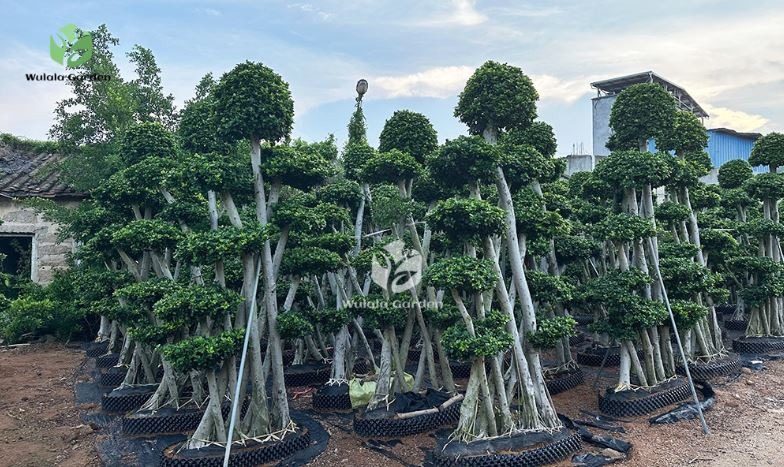
A variegated ficus can be an eye-catching indoor plant, but its distinctive foliage can sometimes make problems easy to notice. Yellow leaves, brown edges, sudden leaf drop, and slow growth are all signs that something in the growing environment may need attention.
The good news is that many ficus problems can be addressed by identifying the underlying cause. Instead of changing several care routines at once, examine the plant’s light, watering, soil, temperature, and general condition.
1. Yellow Leaves
Yellow leaves are one of the most common concerns with indoor plants.
In a variegated ficus, yellowing may be associated with excessive moisture, insufficient light, natural aging, or environmental stress. If multiple leaves are turning yellow at the same time, check the soil before watering again.
If the soil stays wet for a long period, improve drainage and review your watering routine.
However, one or two older yellow leaves do not necessarily indicate a serious problem.
2. Brown Leaf Edges
Brown edges can develop when a plant experiences dry conditions, inconsistent watering, low humidity, or excessive environmental stress.
First, check whether the soil is becoming extremely dry between waterings. Then consider room humidity and whether the plant is positioned near a heating or cooling vent.
Avoid responding by constantly soaking the soil. Excess moisture can create a different set of problems.
3. Sudden Leaf Drop
Ficus plants can respond to environmental changes by dropping leaves. A recently purchased plant may experience stress after being moved from a nursery or garden center into a new indoor environment.
Changes in light, temperature, watering, and humidity can also contribute.
If leaf drop occurs, keep the plant in a stable location and review its growing conditions. Avoid moving it repeatedly from one room to another.
4. Loss of Variegation
One of the most attractive features of a variegated ficus is its patterned foliage. If new growth begins appearing significantly greener than expected, insufficient light may be one possible factor.
Variegated leaves contain less chlorophyll in their lighter areas, so adequate light is especially important for maintaining healthy growth.
However, genetic variation and natural reversion can also affect leaf patterns. If an individual branch consistently produces fully green growth, selective pruning may sometimes be considered to maintain the desired appearance.
5. Slow Growth
Slow growth is not always a sign of poor health. Indoor ficus plants may grow more slowly when light levels are low or during periods when environmental conditions are less favorable.
Check whether the plant receives enough bright light. Also review watering, nutrition, temperature, and root space.
If the plant is otherwise healthy, gradual growth may simply reflect its current indoor conditions.
6. Root Problems
Roots need both moisture and oxygen. When soil remains saturated for too long, roots may become stressed.
Warning signs can include persistent wet soil, unpleasant odors, yellowing foliage, and declining growth.
Make sure the container has drainage holes and that excess water can escape freely. If severe root problems are suspected, inspect the root system and remove damaged material with clean tools before repotting into suitable, well-draining soil.
7. Pest Problems
Indoor ficus plants can occasionally attract pests such as scale insects, spider mites, mealybugs, or other sap-feeding insects.
Inspect leaves, stems, and leaf joints regularly. Early detection makes pest management easier.
If pests are found, isolate the affected plant from other houseplants and use an appropriate treatment according to the product’s instructions.
8. Drooping Leaves
Drooping can have several causes, including underwatering, overwatering, temperature stress, or root problems.
Check the soil moisture first. If the soil is very dry, the plant may need water. If it remains saturated, adding more water can make the situation worse.
Always consider the complete growing environment instead of assuming drooping automatically means the plant needs water.
9. Choosing the Right Environment
Prevention is usually easier than correcting serious plant stress. Place your ficus in a bright location with stable temperatures and provide water according to actual soil moisture.
Avoid placing it immediately beside heating systems, air-conditioning vents, or drafty doors.
If you’re selecting a new plant, you can browse this collection of variegated ficus tree options and choose a variety that fits your indoor environment.
A Simple Troubleshooting Checklist
When your ficus looks unhealthy, check these factors in order:
- Is the soil too wet or too dry?
- Does the pot drain properly?
- Is the plant receiving enough bright light?
- Has its location recently changed?
- Is it exposed to temperature fluctuations?
- Are there visible pests?
- Has the plant been recently repotted?
- Is the plant receiving excessive fertilizer?
Making one adjustment at a time makes it easier to determine what is actually helping.
Conclusion
Most variegated ficus problems are connected to environmental conditions rather than a single mysterious issue. Yellow leaves, brown edges, leaf drop, and slow growth can all have multiple causes.
Regular observation is the best approach. Check the soil, light, temperature, humidity, and foliage before changing your routine. With consistent care and early intervention, many common problems can be prevented or corrected.
