

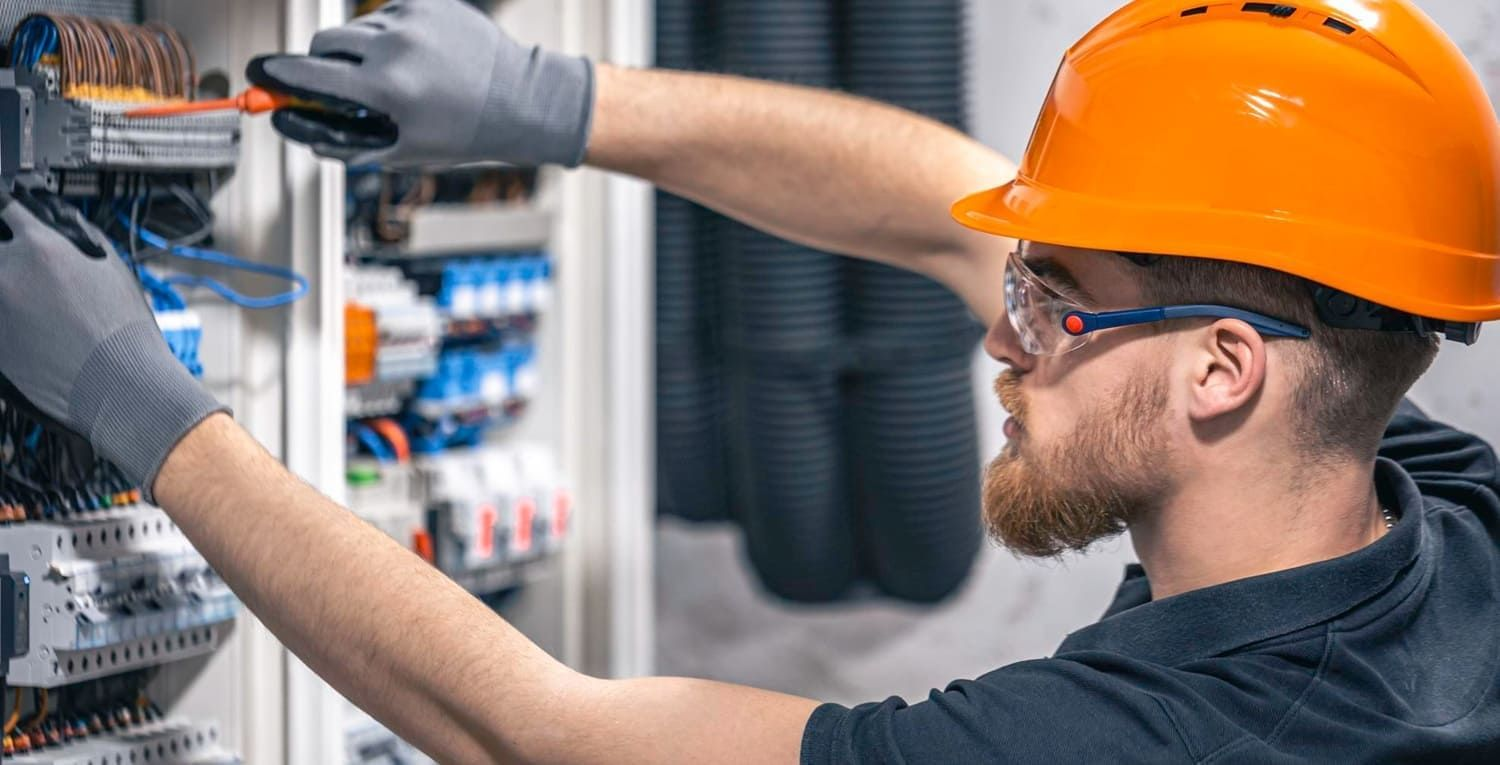
Your home’s electrical system is the one thing that touches almost everything you do under your roof. It powers the lights you read by, the fridge that keeps your food fresh, the air conditioner that gets you through a 42-degree Perth afternoon, the smoke alarms that protect your family while they sleep, and the devices that keep you connected to the rest of the world. Yet for most homeowners, the wiring behind the walls, the switchboard in the garage, and the circuits running through the ceiling are all but invisible until something goes wrong.
If your cooling system is not performing efficiently, you can visit Air Nifty for AC repair and receive professional support from trained technicians. Their team diagnoses issues quickly, recommends cost-effective solutions, and works to restore comfort with minimal disruption, ensuring air conditioning systems operate reliably when they are needed most
That invisibility can breed complacency. And complacency around electricity is genuinely dangerous. According to the Australian Bureau of Statistics, electrical faults remain one of the leading causes of preventable house fires across the country. Faulty wiring, overloaded circuits, non-compliant installations, and the absence of safety switches contribute to hundreds of incidents every year, many of which could have been avoided with proper professional attention.
Whether you have just purchased your first home, are renovating an older property, have moved into a new build, or simply want to make sure your family is safe and your electrical system is working efficiently, understanding what professional help is available and how to access it is essential. This guide covers the full scope of work that qualified electricians perform in Australian homes, how to evaluate providers, what to budget, and the questions you should ask before any work begins.
Understanding the Full Scope of Residential Electrical Services
The range of work that falls under this category is far broader than most homeowners realise. It extends well beyond changing a light fitting or adding a power point. A qualified residential electrician handles everything from the point where power enters your property through to the final outlet, switch, or fixture inside your home, and increasingly, the solar panels on your roof and the charger in your garage.
Safety Switch and Switchboard Work
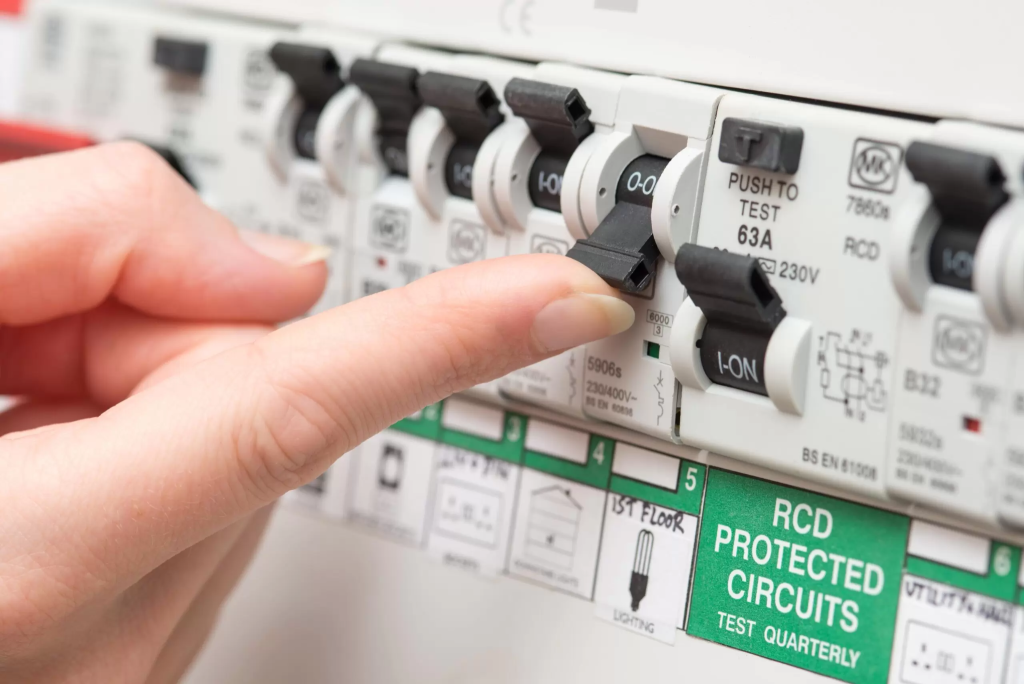
If there is one area of your home’s electrical system that deserves priority attention, it is the switchboard. This is the nerve centre of your home’s power supply, distributing electricity to every circuit in the property and housing the protective devices that keep you safe.
Modern switchboards use circuit breakers and Residual Current Devices, commonly known as safety switches or RCDs. Safety switches monitor the flow of electricity through a circuit and cut the power in milliseconds if they detect current leaking to earth, which is the condition that causes electric shock. In Western Australia, the law requires a minimum of two RCDs in every residential property. Many older homes, particularly those built before the mid-1990s, still have outdated switchboards with ceramic fuses or rewireable fuse wire and no safety switches at all.
If your switchboard falls into this category, upgrading is not optional. It is a safety imperative. A professional switchboard upgrade typically involves replacing the entire board with a modern unit, installing RCDs on all circuits, fitting circuit breakers in place of fuses, labelling every circuit clearly, and testing the installation to ensure compliance with the AS/NZS 3000 Wiring Rules.
Beyond safety, a modern switchboard also provides better capacity for today’s electrical demands. Older boards were designed for an era when homes had a fraction of the appliances, devices, and systems they do now. If you are planning to add air conditioning, solar panels, an electric vehicle charger, or a workshop in the garage, your switchboard may need additional circuits to handle the load safely.
Lighting Design, Installation, and Upgrades
Lighting is one of the most impactful areas where professional electrical work can transform a home. The right lighting improves functionality, enhances mood and ambience, highlights architectural features, and can significantly reduce your energy bills.
LED technology has revolutionised residential lighting. LED downlights, pendants, strip lighting, and outdoor fixtures use up to 80 per cent less energy than halogen equivalents, produce far less heat, and last many times longer. For homeowners still running halogen downlights, a full LED upgrade is one of the most cost-effective improvements available. Beyond the energy savings, it also reduces the fire risk associated with halogen fittings, which generate significant heat in ceiling cavities.
A skilled residential electrician can help with far more than a simple globe swap. Services include designing a lighting layout for new builds and renovations, installing dimmer switches for adjustable ambience, setting up smart lighting systems that you control from your phone, adding outdoor security lighting with motion sensors, installing garden and landscape lighting for entertaining areas, fitting under-cabinet lighting in kitchens, and integrating lighting with home automation systems.
When planning a lighting upgrade, think about how you use each space. Task lighting for kitchens and home offices has different requirements from ambient lighting in living areas or accent lighting in hallways. A good electrician will ask about your lifestyle before recommending a solution.
Power Point Installation and Circuit Additions
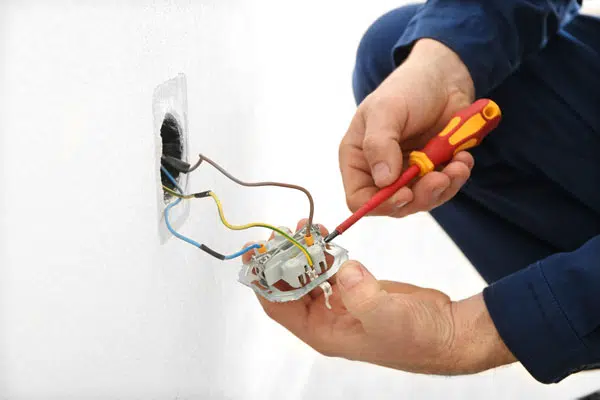
The way we use our homes has changed dramatically over the past two decades, but many homes still have the same number of power points they were built with. Relying on double adaptors, piggyback plugs, and extension leads to bridge the gap is not just inconvenient. It is a genuine fire hazard. Overloaded power points generate heat, and heat in an electrical connection is the precursor to fire.
A licensed professional can install additional power points wherever you need them, including in home offices, entertainment areas, kitchens, garages, workshops, and outdoor entertaining spaces. Modern options include power points with integrated USB charging ports, weatherproof external outlets, and floor-mounted outlets for open-plan living areas where wall sockets are impractical.
If you are adding a significant new electrical load to your home, such as a ducted air conditioning system, a large workshop, or a pool pump, you may need a dedicated circuit installed from the switchboard. This ensures the new load does not overburden existing circuits and provides appropriate protection through its own circuit breaker and safety switch.
Ceiling Fan Installation
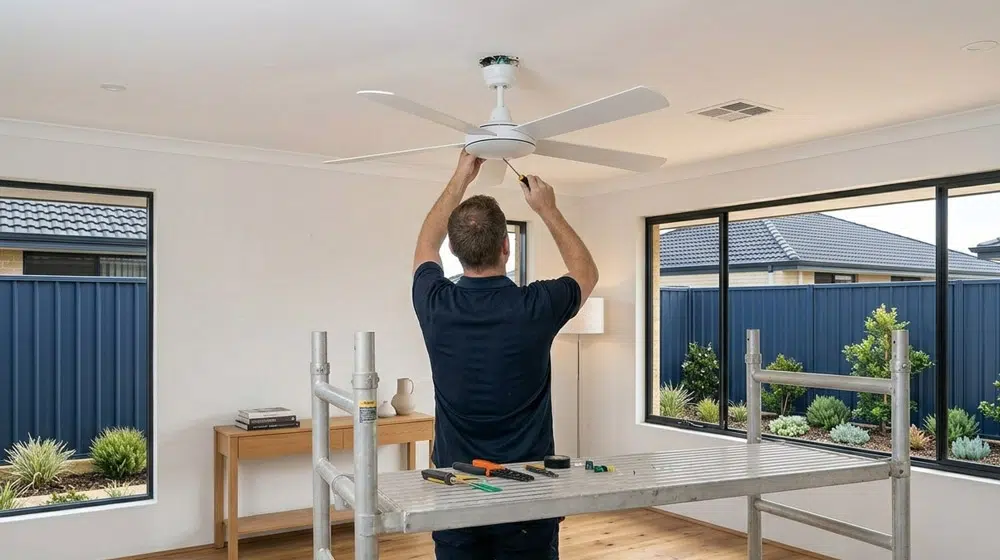
Ceiling fans remain one of the most energy-efficient cooling options available, using a fraction of the electricity consumed by an air conditioner. In Australia’s warm climate, they are a practical addition to bedrooms, living areas, and covered outdoor entertaining spaces.
However, ceiling fan installation is not a DIY job. It involves working with mains voltage wiring, requires secure mounting to a ceiling joist or an appropriate support bracket, and must comply with minimum clearance heights specified in Australian Standards. An improperly mounted fan can come loose and fall, posing a serious injury risk. A licensed electrician ensures the fan is safely installed, correctly wired, and compliant with all relevant standards.
Smoke Alarm Installation and Compliance
Smoke alarms save lives, and Australian law mandates their installation in all residential properties. The specific requirements vary by state and territory, but the trend across Australia is towards interconnected, hardwired, photoelectric smoke alarms.
In Western Australia, new homes and substantially renovated properties must have interconnected smoke alarms on every storey. For rental properties, landlords are responsible for ensuring alarms are compliant and operational at the start of each tenancy. A qualified electrician can install hardwired smoke alarms that are interconnected so that when one alarm activates, all alarms in the home sound simultaneously, giving occupants maximum warning regardless of where the fire starts.
Battery-only alarms remain legal in some existing homes, but they are less reliable than hardwired units and do not offer interconnection. If you are upgrading your smoke alarms, the investment in hardwired, interconnected units provides a meaningful improvement in protection.
Home Rewiring
Older homes, particularly those built before the 1980s, may have wiring that has deteriorated to the point where it presents a genuine safety risk. Insulation on older wiring degrades over time, becoming brittle and cracking to expose the copper conductor beneath. This creates the conditions for short circuits, arcing, and electrical fires.
Warning signs that your home may need rewiring include circuit breakers or fuses that trip frequently without an obvious cause, power points or switches that are warm to the touch or discoloured, lights that flicker or dim unpredictably, a persistent burning smell near electrical fittings, and visible damage to wiring where it is exposed in the roof space, under the house, or at connection points.
A full home rewire is a significant undertaking, but it dramatically improves safety, increases the capacity of your electrical system, and adds value to your property. A qualified professional will assess the condition of your existing wiring, recommend whether a full or partial rewire is required, and carry out the work with minimal disruption to your home.
Solar Panel and Battery Storage Installation
Australia’s abundant sunshine makes rooftop solar one of the smartest investments a homeowner can make. A properly sized solar system can dramatically reduce your electricity bills, provide a return on investment within a few years, and reduce your household’s carbon footprint.
Many full-service residential electricians hold Clean Energy Council accreditation, which qualifies them to design and install solar photovoltaic systems. CEC accreditation is essential because only accredited installers can create systems eligible for Small-scale Technology Certificates, the government rebate that reduces the upfront cost of solar.
Battery storage systems, which store excess solar energy for use after dark, are becoming increasingly popular as battery prices continue to fall. An experienced electrician can assess your energy usage patterns, recommend the right combination of panels and battery capacity, and integrate the system with your existing switchboard and grid connection.
Electric Vehicle Charger Installation
With EV sales growing rapidly across Australia, home charger installation is becoming a standard residential electrical service. A dedicated EV charger, commonly known as a wallbox, provides significantly faster charging than a standard power point and includes safety features specifically designed for the sustained high-current draw that vehicle charging demands.
Installation typically requires a dedicated circuit from the switchboard, appropriately rated wiring, and in some cases, a switchboard upgrade to accommodate the additional load. A qualified electrician will assess your existing infrastructure, recommend the right charger for your vehicle and driving patterns, and ensure the installation meets all relevant Australian Standards.
Smart Home and Automation Systems
From voice-controlled lighting and automated blinds to whole-home audio and integrated security systems, smart home technology is becoming increasingly accessible. A residential electrician with experience in automation can install the underlying electrical infrastructure, set up smart switches and dimmers, integrate lighting with control platforms, and ensure your home network has the capacity to support connected devices reliably.
How to Choose the Right Provider for Your Home
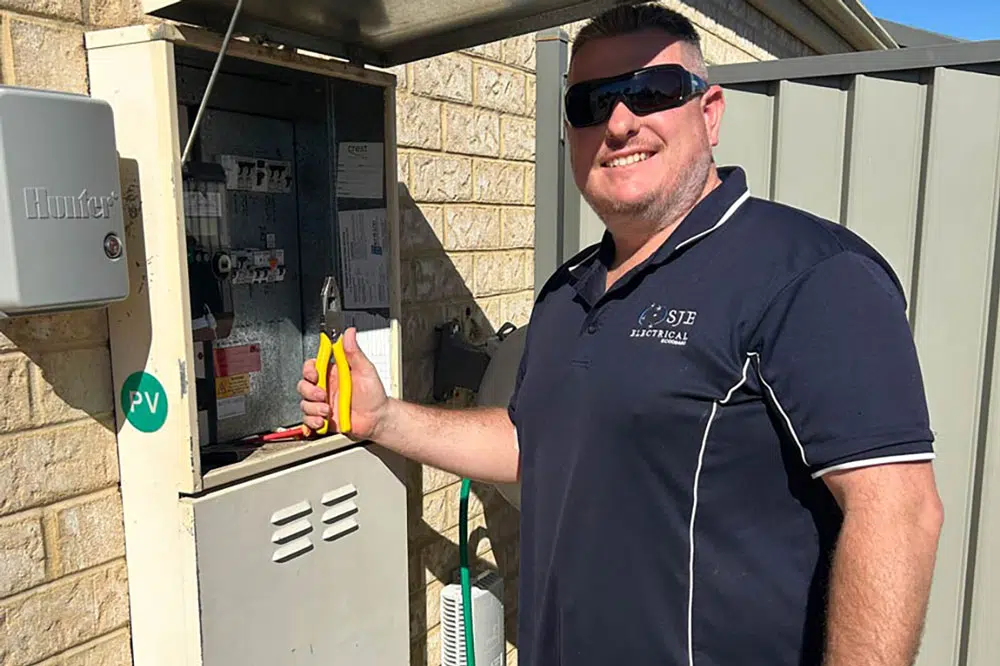
The quality of electrical work in your home directly affects your family’s safety. Choosing the right provider is a decision that deserves careful consideration.
Licensing and Legal Requirements
In every Australian state and territory, electrical work must be performed by a licensed professional. In Western Australia, the Department of Mines, Industry Regulation and Safety administers electrical licensing. An Electrical Contractor’s Licence is required for any business offering electrical services, and individual electricians must hold an Electrical Worker’s Licence.
You can verify a contractor’s licence through the DMIRS online register. This is a non-negotiable first step before engaging anyone to work on your home. Unlicensed electrical work is illegal, voids your home insurance, and puts your family at risk.
Insurance Coverage
Confirm that the provider carries current public liability insurance. This protects you if the work causes damage to your property or injury to a person. Workers’ compensation insurance should also be in place for any employees. Ask to see certificates of currency rather than accepting verbal assurances.
Experience and Specialisation
While all licensed electricians are qualified to perform residential work, some providers focus primarily on homes while others split their time between commercial and domestic jobs. A provider whose core business is residential work will typically have deeper experience with the specific issues that arise in homes, from ageing wiring in older properties through to the integration of modern smart home systems.
Ask about the types of residential work they handle most frequently. If your job involves something specialised, such as a full rewire, a solar and battery installation, or a complex lighting design, ask specifically about their experience with that type of project.
Communication and Quoting
How a provider communicates before the job starts is a strong indicator of how they will manage the work itself. Look for a provider who returns calls and messages promptly, asks questions about your situation before jumping to a quote, provides a clear written quote that itemises labour, materials, and any additional charges, explains the scope of work in plain language, and offers a realistic timeline for completion.
Be cautious of providers who quote over the phone without seeing the job, who are vague about inclusions and exclusions, or who resist putting their pricing in writing.
Reviews and Reputation
Online reviews are useful for identifying patterns in a provider’s performance. Look for consistent mentions of punctuality, fair pricing, clean workmanship, and respectful behaviour in the home. A handful of negative reviews among dozens of positive ones is normal for any busy trade business, but repeated complaints about the same issue, such as no-shows, hidden charges, or incomplete work, are a warning sign.
Personal referrals from friends, family, and neighbours remain one of the most reliable ways to find a quality residential electrician. People who have had work done in their own home can speak to the real experience, not just the online version of it.
If you are in Perth and searching for trusted Residential Electrical Services in your area, taking the time to compare local providers and ask the right questions will pay off in safer, better quality work.
Warranty and Guarantees
A reputable provider will stand behind their work with a written warranty covering both labour and materials. Most quality residential electricians offer a minimum of 12 months on workmanship, with the products they install covered by the relevant manufacturer’s warranty. Ask about warranty terms before work begins and get them confirmed in writing.
What to Budget for Common Residential Jobs
Understanding typical costs helps you plan ahead and assess whether a quote is reasonable. Prices vary depending on the complexity of the job, the materials used, accessibility, and the provider’s level of experience.
A switchboard upgrade with RCD installation generally costs between $800 and $2,500, depending on the existing board’s condition and the number of circuits required. Standard power point installation typically runs from $150 to $250 per point. LED downlight installation costs approximately $50 to $100 per light, depending on quantity and whether new wiring is needed. Ceiling fan installation ranges from $150 to $350 per fan where existing wiring is in place. Hardwired, interconnected smoke alarm installation costs between $150 and $250 per unit.
For major projects like full home rewiring, expect to invest between $8,000 and $20,000 or more depending on the size of the home and the extent of work required. Solar panel systems vary widely based on system size and battery inclusion but typically range from $5,000 to $15,000 after government rebates for a standard residential installation.
For any job beyond a minor repair, obtain at least two to three written quotes. Ensure each quote covers the same scope of work so you can compare fairly. The cheapest option is not always the best value if it means lower-quality materials, less experienced technicians, or a limited warranty.
Electrical Safety Habits Every Homeowner Should Adopt
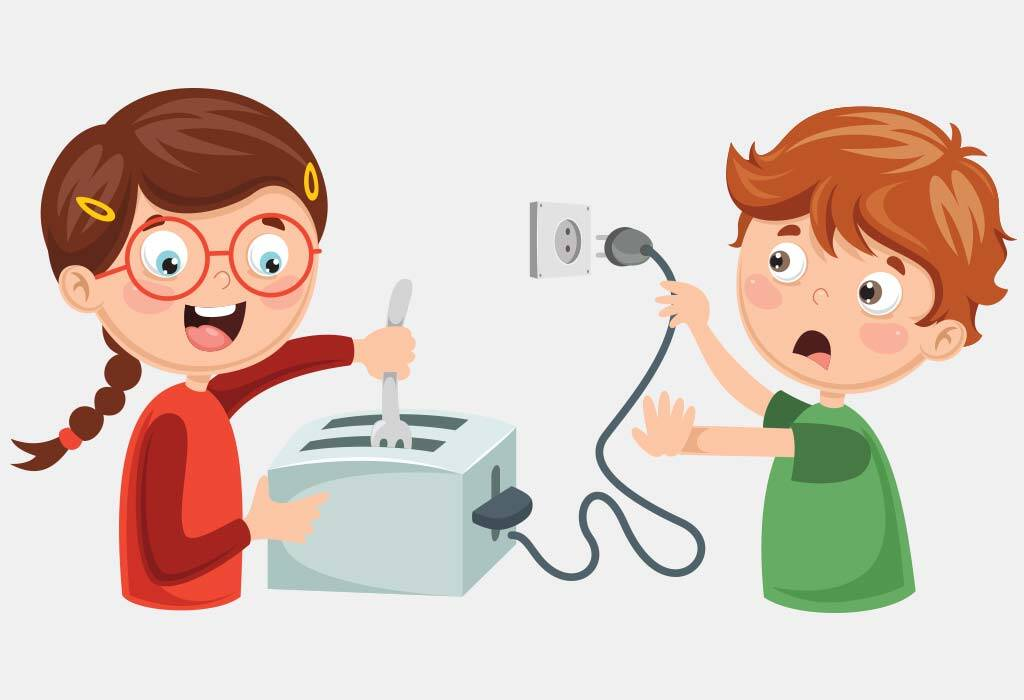
Professional servicing and maintenance are essential, but there are practical steps you can take between visits to keep your home electrically safe.
Test your safety switches quarterly. Press the test button on each RCD in your switchboard. The circuit should cut immediately and restore when you reset the switch. If the RCD fails to trip, or if it does not reset cleanly, contact a licensed professional to investigate. This 30-second test is the most effective safety habit a homeowner can adopt.
Avoid overloading power points. Double adaptors and piggyback plugs increase the load on a single outlet beyond its designed capacity, generating heat that can lead to fire. If you consistently need more outlets than you have, invest in additional power points rather than improvised solutions.
Inspect for warning signs regularly. Walk through your home periodically and check for warm or discoloured power points, flickering lights, buzzing sounds from switches or fittings, and any unusual smells near electrical outlets. Any of these symptoms warrants immediate professional inspection.
Keep appliances away from water. Bathrooms, kitchens, laundries, and outdoor areas are high-risk zones for electrical contact with water. Ensure power points in wet areas are protected by safety switches and, where appropriate, fitted with weatherproof covers.
Do not attempt electrical work yourself. In Australia, virtually all electrical work beyond changing a light globe or a plug on an appliance cord must be performed by a licensed professional. DIY electrical work is illegal, dangerous, and voids your insurance. No amount of online tutorials can substitute for the training, licensing, and experience that a qualified electrician brings.
Planning for the Future of Your Home’s Electrical System
The demands on residential electrical systems are growing. More devices, higher-capacity appliances, solar and battery systems, EV chargers, and smart home technology all place increasing load on the wiring, switchboard, and circuits that were designed for a simpler era.
If you are building a new home, work with your electrician during the design phase to plan for current and future needs. Install more power points and circuits than you think you will need today. Run conduit for future data and communication cabling. Ensure the switchboard has spare capacity for circuits you may want to add in five or ten years. Consider the placement of your switchboard to allow easy future expansion.
If you are renovating, treat it as an opportunity to bring the entire electrical system up to current standards, not just the areas being renovated. A renovation that leaves old wiring, an outdated switchboard, and insufficient safety switches in the untouched parts of the home is a missed opportunity.
If you are a landlord, electrical compliance is both a legal and moral obligation. Ensure safety switches and smoke alarms meet current requirements, maintain records of all electrical work, and schedule periodic inspections to catch deteriorating wiring or components before they become hazards for your tenants.
The homes that will be safest, most efficient, and most valuable in the years ahead are those with electrical systems designed to handle modern demands, installed by qualified professionals, and maintained with regular care.
Frequently Asked Questions
What are residential electrical services and what do they include?
Residential electrical services encompass all professional electrical work performed in homes and domestic properties. This includes switchboard upgrades and safety switch installation, lighting design and installation, power point additions, ceiling fan installation, smoke alarm compliance, home rewiring, solar panel and battery installation, EV charger installation, and smart home automation. The term covers everything from minor repairs and maintenance through to full-scale electrical design for new builds and major renovations. All residential electrical work in Australia must be carried out by a licensed electrician.
How do I know if my home needs a switchboard upgrade?
Several signs indicate your switchboard may need upgrading. If your switchboard still uses ceramic fuses or rewireable fuse wire rather than modern circuit breakers, an upgrade is strongly recommended. If your switchboard does not have at least two Residual Current Devices (safety switches), you are not meeting Western Australian legal requirements. Other indicators include circuit breakers that trip frequently, a switchboard that feels warm, visible corrosion or damage, and insufficient capacity for modern electrical demands such as air conditioning, solar, or EV charging. A licensed electrician can inspect your switchboard and provide a detailed assessment.
How often should I have my home’s electrical system inspected?
There is no mandated inspection frequency for owner-occupied homes in Australia, but most industry professionals recommend an electrical safety inspection every five years for homes less than 25 years old and every three years for older homes. You should also arrange an inspection when purchasing a property, before and after a major renovation, after any electrical incident such as a lightning strike or power surge, and whenever you notice warning signs such as flickering lights, warm outlets, or tripping safety switches. For rental properties, landlords should arrange inspections at least every five years and at each change of tenancy.
Can I do any electrical work myself in my home?
The scope of electrical work that homeowners can legally perform in Australia is extremely limited. You may change a light globe, replace a fuse in a plug-in appliance, and replace the plug or cord on an appliance using a cord extension set that does not require wiring. All other electrical work, including installing or replacing power points, light fittings, ceiling fans, safety switches, and any work inside a switchboard, must be carried out by a licensed electrician. Attempting unlicensed electrical work is illegal, carries the risk of electric shock or fire, and will void your home insurance.
What questions should I ask before hiring a residential electrician?
Before engaging any electrical professional, ask to see their current electrical contractor’s licence and verify it online. Ask whether they carry public liability insurance and workers’ compensation coverage. Ask for a written quote that clearly itemises labour, materials, and any call-out fees. Ask about their warranty terms on both workmanship and materials. Ask about their experience with your specific type of job. Ask for references or direct them to their online reviews. And ask about their availability and estimated timeline for completing the work. A professional who answers these questions openly and confidently is likely to deliver quality work.
This guide is intended for informational purposes only. Australian homeowners should always engage licensed electrical
