

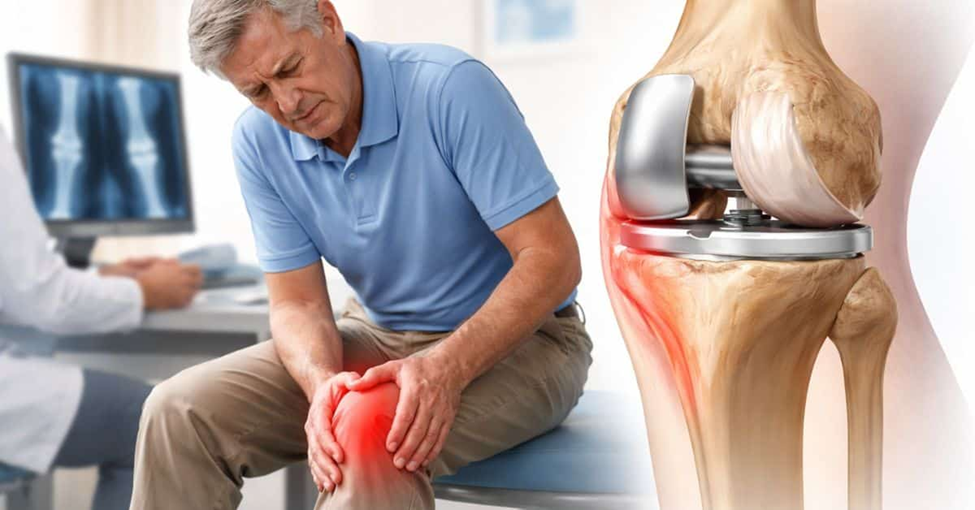
Knee replacement surgery is a commonly performed orthopedic procedure used to relieve chronic knee pain and improve mobility in individuals with severe joint damage. Conditions such as osteoarthritis, rheumatoid arthritis, injury-related joint damage, or long-term cartilage degeneration can significantly affect movement and quality of life.
Recovery after knee replacement surgery is a gradual process that involves pain management, physical therapy, mobility training, and lifestyle adjustments. While many patients experience noticeable improvement in pain and walking ability, understanding the recovery timeline helps set realistic expectations and supports better rehabilitation outcomes.
Knowing what to expect during each phase of recovery can help patients prepare physically and mentally for the healing process.
What Is Knee Replacement Surgery?
Knee replacement surgery involves replacing damaged parts of the knee joint with artificial components.
Why Knee Replacement Is Performed
Doctors may recommend surgery for individuals experiencing:
● Severe knee pain
● Joint stiffness
● Difficulty walking
● Reduced mobility
● Poor response to non-surgical treatments
The procedure aims to improve joint function and reduce chronic discomfort.
Common Reasons for Knee Replacement
Several conditions can damage the knee joint over time.
Conditions That May Lead to Surgery
These may include:
● Osteoarthritis
● Rheumatoid arthritis
● Knee deformity
● Previous knee injury
● Cartilage degeneration
Joint damage often worsens gradually if left untreated.
1. Immediate Recovery After Surgery
The first few days after surgery focus on pain control and early movement.
What Happens in the Hospital
Patients are usually monitored for:
● Blood pressure and circulation
● Pain levels
● Wound healing
● Ability to move the leg safely
Most patients begin standing or walking with assistance shortly after surgery.
Pain Management During Early Recovery
Pain and swelling are common during the initial recovery phase.
Common Pain Management Approaches
These may include:
● Prescribed pain medications
● Ice therapy
● Leg elevation
● Gentle movement exercises
Proper pain management helps improve comfort and mobility.
2. First Week After Knee Replacement
During the first week, mobility gradually improves with guided rehabilitation.
Early Recovery Goals
Patients are encouraged to:
● Walk short distances
● Perform basic exercises
● Bend and straighten the knee carefully
● Prevent blood clots through movement
Physical therapy usually begins immediately after surgery.
Role of Physical Therapy
Physical therapy is one of the most important parts of recovery.
Goals of Rehabilitation
Therapy helps patients:
● Improve knee flexibility
● Build muscle strength
● Improve walking ability
● Restore balance and stability
Consistent rehabilitation supports better long-term outcomes.
3. Recovery During Weeks Two to Six
Mobility and strength usually continue improving during this phase.
Common Improvements During This Stage
Patients may gradually:
● Walk with less assistance
● Increase knee movement range
● Perform daily activities more comfortably
● Reduce reliance on pain medication
Recovery speed varies depending on overall health and activity level.
In Ahmedabad, many individuals planning or recovering from knee replacement in Ahmedabad often focus on rehabilitation programs, mobility improvement, and post-surgical strengthening to support long-term joint function.
Swelling and Stiffness During Recovery
Some swelling and stiffness may continue for several weeks.
Helpful Recovery Measures
Patients may benefit from:
● Regular movement
● Ice application
● Compression support if advised
● Elevating the leg while resting
Persistent severe swelling should be medically evaluated.
Walking and Mobility Expectations
Walking ability gradually improves after surgery.
Mobility Progression
Patients may initially use:
● Walker
● Crutches
● Cane
Most individuals gradually return to independent walking as strength improves.
Returning to Daily Activities
Recovery timelines differ depending on the individual and type of surgery.
Activities Patients May Resume Gradually
These may include:
● Climbing stairs
● Driving
● Household tasks
● Office-based work
Doctors usually guide activity progression based on healing progress.
4. Long-Term Recovery Timeline
Full recovery may continue for several months after surgery.
What Long-Term Recovery May Include
Patients often continue improving in:
● Strength
● Endurance
● Knee flexibility
● Walking comfort
Some individuals notice gradual improvement for up to a year after surgery.
Factors That Affect Recovery Speed
Recovery outcomes depend on several health and lifestyle factors.
Important Recovery Factors Include
● Age
● Overall physical health
● Weight management
● Rehabilitation consistency
● Pre-surgical joint condition
Following rehabilitation plans closely usually improves outcomes.
Importance of Home Exercises
Home exercise programs support ongoing recovery.
Common Home Exercises May Include
● Knee bends
● Leg raises
● Walking exercises
● Strengthening movements
Regular exercise helps maintain mobility and joint stability.
Possible Recovery Challenges
Some patients may experience temporary recovery difficulties.
Common Challenges May Include
● Swelling
● Stiffness
● Difficulty sleeping
● Fatigue
● Temporary balance issues
Most symptoms improve gradually with rehabilitation.
Warning Signs That Need Medical Attention
Certain symptoms require prompt medical evaluation after surgery.
Seek Medical Care For
● Fever
● Severe swelling
● Worsening redness around the incision
● Chest pain
● Difficulty breathing
Early attention helps reduce complications.
Lifestyle Tips After Knee Replacement
Long-term joint care remains important after recovery.
Helpful Lifestyle Measures
Patients are usually advised to:
● Maintain healthy body weight
● Stay physically active
● Avoid excessive joint strain
● Continue strengthening exercises
Healthy habits support artificial joint longevity.
Can Patients Return to Exercise?
Many individuals can return to low-impact physical activity after recovery.
Recommended Activities Often Include
● Walking
● Swimming
● Cycling
● Gentle stretching exercises
High-impact activities may be limited depending on medical advice.
Emotional Recovery After Surgery
Recovery may also involve emotional adjustment.
Emotional Challenges May Include
● Frustration with limited mobility
● Anxiety about recovery speed
● Temporary dependence on caregivers
Support from family and healthcare providers can improve confidence.
Frequently Asked Questions
How long does knee replacement recovery take?
Most patients recover significantly within several months, though full improvement may continue for up to a year.
When can I walk after knee replacement surgery?
Many patients begin walking with assistance within one day after surgery.
Is physical therapy necessary after knee replacement?
Yes, rehabilitation is essential for restoring movement, strength, and mobility.
How long does swelling last after surgery?
Mild swelling may continue for several weeks or months during recovery.
Can knee replacement reduce pain permanently?
Most patients experience significant long-term pain relief and improved mobility after successful recovery.
Conclusion
Recovery after knee replacement surgery is a gradual process that involves rehabilitation, mobility training, pain management, and consistent physical activity. While the first few weeks focus on healing and restoring movement, long-term recovery continues over several months as strength and flexibility improve.
Understanding the recovery timeline helps patients set realistic expectations and remain motivated throughout rehabilitation. With proper medical guidance, physical therapy, and healthy lifestyle habits, many individuals can regain mobility, reduce pain, and improve overall quality of life after knee replacement surgery.
