

Good vision is important for learning, working, driving, communicating, and maintaining independence. Eye health can also change gradually, sometimes without obvious symptoms. Regular examinations and timely treatment can therefore help identify problems before they significantly affect everyday life.
An eye hospital provides a range of services for routine vision concerns, eye diseases, injuries, and conditions requiring specialised treatment. Depending on the facility, patients may have access to ophthalmologists, diagnostic testing, surgical care, emergency services, and rehabilitation under one healthcare system.
Understanding these services can help patients know what to expect and when specialist eye care may be appropriate.
1. Comprehensive Eye Examinations
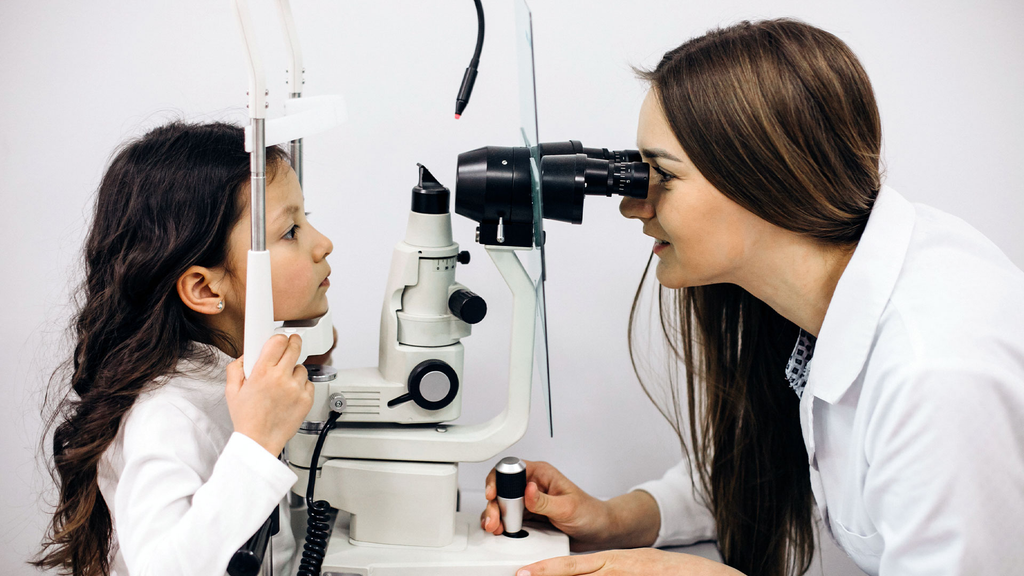
A comprehensive eye examination is often the starting point for evaluating vision and eye health. It involves more than checking whether a person can read letters from a distance.
What Does an Eye Examination Include?
Depending on age and symptoms, an examination may include:
- Visual acuity testing
- Refraction testing
- Eye pressure measurement
- Pupil examination
- Eye movement assessment
- Slit-lamp examination
- Retina and optic nerve evaluation
- Visual field testing when indicated
Some eye conditions develop without noticeable symptoms, so routine examinations can be useful even when vision appears normal. The frequency of examinations depends on age, risk factors, existing eye conditions, and general health.
2. Refractive and Vision Correction Services
Refractive errors occur when the eye does not focus light correctly on the retina. They include myopia, hyperopia, astigmatism, and presbyopia. These conditions can usually be identified through an eye examination.
Common Vision Correction Options
Depending on the patient’s needs, an eye specialist may recommend:
- Prescription spectacles
- Contact lenses
- Refractive surgery evaluation
- Reading glasses
- Other specialised lenses
The appropriate option depends on factors such as age, eye health, lifestyle, prescription stability, and personal preference. Refractive surgery is not suitable for everyone and requires a detailed assessment before it is considered.
3. Cataract Diagnosis and Treatment
A cataract occurs when the natural lens inside the eye becomes cloudy, causing vision to become blurred or hazy. Cataracts are commonly associated with ageing but can also develop because of injury, certain medical conditions, medications, or other factors.
When Is Cataract Surgery Considered?
Cataract surgery may be recommended when clouding of the lens begins to interfere with activities such as reading, driving, working, or recognising faces.
During surgery, the cloudy natural lens is removed and replaced with an artificial intraocular lens. An ophthalmologist will discuss suitable lens options and explain what the procedure and recovery involve.
4. Glaucoma Care
Glaucoma refers to a group of eye diseases that can damage the optic nerve and may lead to permanent vision loss. Increased eye pressure is an important risk factor for some types, although glaucoma can also occur with normal pressure.
How Is Glaucoma Managed?
An eye hospital may provide:
- Eye pressure measurement
- Optic nerve assessment
- Visual field testing
- Retinal imaging
- Prescription eye drops
- Laser treatment
- Glaucoma surgery when necessary
Because glaucoma can progress without obvious symptoms, regular monitoring is particularly important for people with increased risk. Treatment aims to prevent or slow further optic nerve damage.
5. Retina and Vitreous Services
The retina is a light-sensitive layer at the back of the eye that plays a central role in vision. Problems affecting the retina can sometimes cause significant or permanent visual impairment if treatment is delayed.
Conditions Commonly Evaluated
Retina specialists may diagnose and manage conditions such as:
- Diabetic retinopathy
- Age-related macular degeneration
- Retinal tears
- Retinal detachment
- Macular conditions
- Vitreous problems
- Retinal vascular disorders
Diagnostic tests may include retinal photography, optical coherence tomography, fluorescein angiography, or ultrasound depending on the suspected condition.
Sudden flashes, a sudden increase in floaters, or a curtain-like shadow across vision can require urgent retinal assessment.
6. Cornea and External Eye Care
The cornea is the transparent front surface of the eye. Because it is exposed to the environment, it can be affected by infections, injuries, inflammation, dryness, and structural disorders.
Conditions Treated
Corneal and external eye services may address:
- Corneal infections
- Keratitis
- Corneal ulcers
- Dry eye disease
- Corneal injuries
- Keratoconus
- Certain corneal degenerations
Treatment can range from prescription medicines and protective measures to specialised procedures or corneal surgery in selected cases.
Patients with severe eye pain, redness, light sensitivity, or sudden vision changes should receive prompt evaluation rather than self-treating with over-the-counter eye drops.
7. Pediatric Eye Care
Children require age-appropriate eye examinations because vision problems can affect learning and development. Some childhood eye conditions may not be obvious because children do not always recognise or report abnormal vision.
Common Childhood Eye Concerns
Pediatric eye services may evaluate:
- Refractive errors
- Squint or strabismus
- Amblyopia or lazy eye
- Childhood cataracts
- Eye infections
- Abnormal eye movements
- Vision development problems
Early identification can be important because the visual system develops significantly during childhood. Parents should seek evaluation if a child frequently squints, holds objects very close, tilts the head, complains of headaches, or struggles to see clearly.
8. Neuro-Ophthalmology Services
Neuro-ophthalmology focuses on conditions involving the relationship between the eyes, optic nerves, brain, and nervous system. These problems can sometimes produce visual symptoms that are difficult to explain through a routine eye examination alone.
Symptoms That May Need Specialist Assessment
These can include:
- Unexplained double vision
- Sudden or unexplained vision loss
- Abnormal pupil responses
- Optic nerve disorders
- Persistent visual disturbances
- Drooping eyelids
- Certain eye movement abnormalities
Depending on the findings, patients may require coordination between ophthalmology, neurology, radiology, and other medical specialties.
9. Emergency Eye Care
Some eye problems require immediate assessment because delays can increase the risk of permanent vision loss. Eye hospitals with emergency services can evaluate sudden symptoms and determine whether urgent treatment is necessary.
When Should You Seek Urgent Eye Care?
Seek prompt medical attention for:
- Sudden loss of vision
- Serious eye injury
- Chemical exposure
- Severe eye pain
- Sudden flashes and numerous floaters
- Curtain-like vision loss
- Sudden double vision with neurological symptoms
- Rapidly worsening redness or swelling
Chemical injuries should be rinsed with clean water immediately while arranging urgent medical care, unless specific emergency instructions advise otherwise.
10. Eye Surgery and Advanced Procedures
Modern eye hospitals may provide surgical treatment for conditions that cannot be adequately managed with medicines or observation. The exact procedures available vary between hospitals and depend on specialist expertise and equipment.
Examples of Eye Procedures
These may include:
- Cataract surgery
- Glaucoma surgery
- Retinal procedures
- Corneal surgery
- Laser treatments
- Squint surgery
- Certain eyelid procedures
Before surgery, patients should receive information about the purpose of the procedure, expected benefits, possible complications, alternatives, recovery, and follow-up requirements.
11. Diagnostic Technology and Follow-Up Care
Accurate diagnosis often depends on specialised testing. Modern eye hospitals may use imaging and diagnostic equipment to examine structures that cannot be assessed adequately through a standard vision test.
Common Diagnostic Tests
Depending on symptoms, testing may include:
- Optical coherence tomography
- Fundus photography
- Visual field analysis
- Corneal mapping
- Eye pressure testing
- Ocular ultrasound
- Fluorescein angiography
The tests recommended should be based on the patient’s symptoms and clinical findings rather than performed unnecessarily. Follow-up appointments are equally important because many eye diseases require ongoing monitoring.
In Chandigarh, patients looking for the best eye hospital in Chandigarh should consider the hospital’s specialist services, diagnostic capabilities, emergency support, surgical facilities, follow-up systems, and suitability for their particular eye condition.
How to Choose an Eye Hospital
Choosing an eye hospital should involve more than considering location or online ratings. The right facility depends on the type of care required and whether appropriate specialists and diagnostic services are available.
Factors to Consider
Patients can evaluate:
- Ophthalmologist qualifications
- Specialist departments
- Diagnostic facilities
- Surgical capabilities
- Emergency services
- Pediatric eye care
- Retina and glaucoma services
- Availability of follow-up care
- Infection-control practices
- Clear explanation of treatment options
For complex conditions, coordinated care between different specialists can be particularly useful.
Conclusion
Comprehensive eye care covers much more than glasses and routine vision testing. An eye hospital may provide preventive examinations, diagnosis, medical treatment, surgery, emergency care, pediatric services, retinal care, glaucoma management, corneal treatment, and neuro-ophthalmology.
The services a patient needs depend on their age, symptoms, medical history, risk factors, and diagnosis. Regular examinations can help detect some conditions early, while sudden changes such as vision loss, severe eye pain, flashes, or a curtain-like shadow require prompt attention.
Choosing a facility with appropriate specialists, diagnostic resources, treatment options, and follow-up care can help patients receive suitable eye care throughout different stages of life.
Frequently Asked Questions
1. What services are usually available at an eye hospital?
Eye hospitals commonly provide comprehensive examinations, vision correction, cataract care, glaucoma treatment, retina services, corneal care, pediatric ophthalmology, eye surgery, emergency treatment, and specialised diagnostic testing based on individual patient needs.
2. How often should I have an eye examination?
The recommended frequency depends on age, general health, family history, existing eye conditions, and risk factors. People with diabetes, glaucoma risk, or other eye problems may require more frequent examinations than healthy adults.
3. When should I visit an eye hospital urgently?
Seek urgent care for sudden vision loss, severe eye pain, serious injury, chemical exposure, sudden flashes with many floaters, curtain-like vision changes, or double vision accompanied by neurological symptoms.
4. Can an eye hospital treat children’s vision problems?
Yes. Pediatric eye services can evaluate refractive errors, squint, amblyopia, childhood cataracts, infections, abnormal eye movements, and other conditions. Early assessment can help identify problems that may affect visual development and learning.
5. What should I bring to an eye appointment?
Bring your current spectacles or contact lens information, previous eye reports, medication details, relevant medical records, and information about recent vision changes. A list of symptoms and when they started can also help.
