

TL;DR
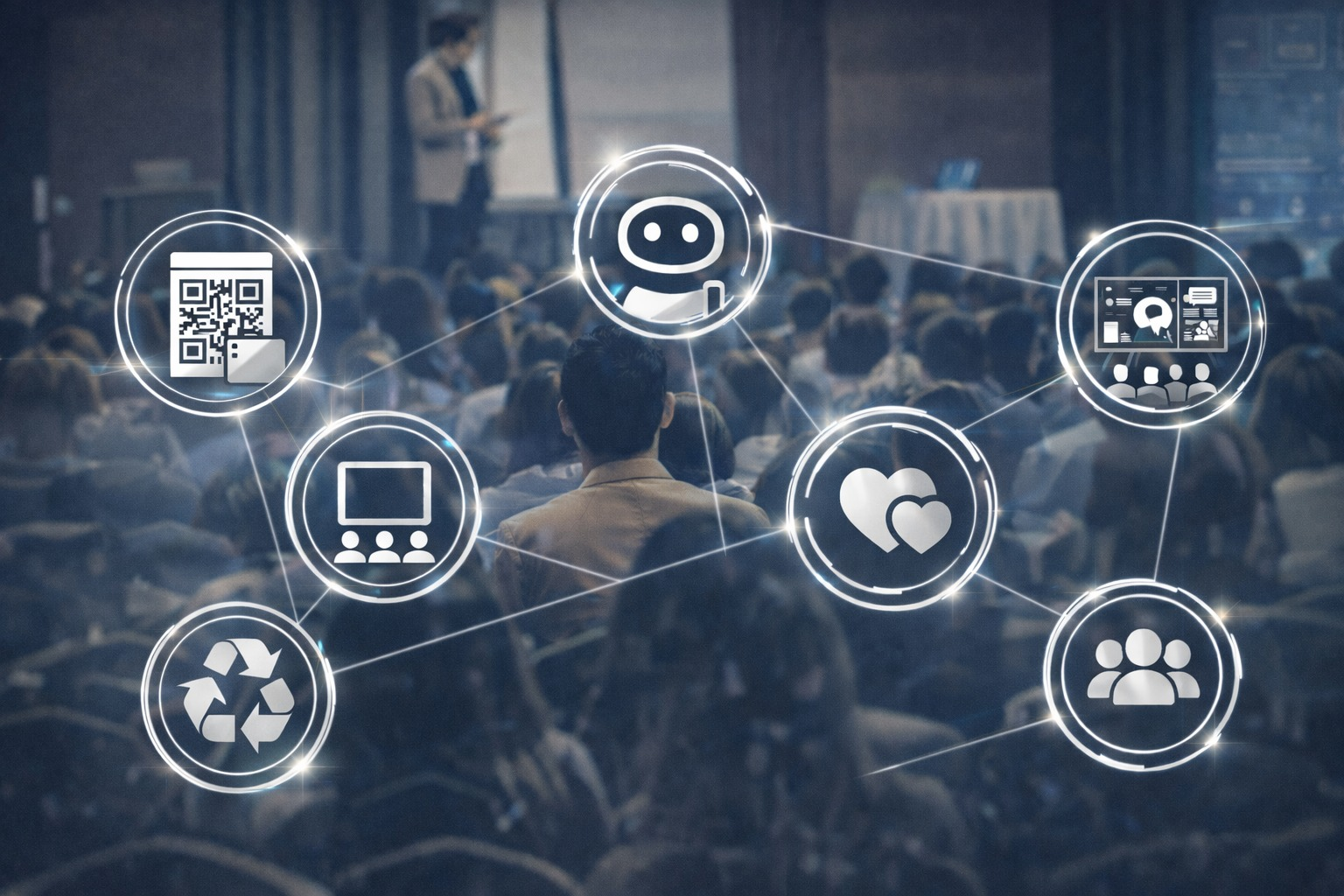
The event industry in 2026 is evolving with technology, sustainability, and attendee-focused experiences at its core. Trends like QR-based ticketing, AI-driven planning, hybrid events, and personalization are transforming how events are organized and experienced. At the same time, a strong focus on inclusivity and mental well-being is shaping better, more engaging events. Staying updated with these trends helps event planners create smoother, smarter, and more successful events.
Events are evolving faster than ever, and the way we plan, promote, and experience them is changing rapidly. With advanced technology, higher attendee expectations, and the growing role of data, the entire event landscape is being transformed.
According to Allied Market Research, the global events market was $736.8 billion in 2021 and is projected to reach $2.5 trillion by 2035 (CAGR 6.8 %).
In this blog, we’ll explore the top event industry trends in 2026 and what they mean for event planners.
A. Why Staying Updated with Event Industry Trends Matters?
Staying updated with event industry trends is important because the way people plan and attend events keeps changing.
New technologies, ideas, and audience expectations are constantly evolving. If event planners don’t keep up, their events may feel outdated or less engaging.
For example, trends like digital ticketing, QR code check-ins, and hybrid events have made events more convenient and interactive.
Knowing these trends helps planners create better experiences, save time, and avoid mistakes. It also helps in understanding what the audience wants, whether it’s personalized experiences or seamless entry processes.
Businesses that follow trends can stay ahead of competitors and build a strong reputation. On the other hand, ignoring trends can lead to low attendance and poor feedback.
In simple terms, staying updated helps event planners make smarter decisions, create memorable events, and grow in a fast-changing industry.
B. What Are the Biggest Event Industry Trends in 2026?
1. QR Code–Based Events and Smart Ticketing
The Rise of QR Codes in Events: One of the key event industry trends in 2026 is the growing use of QR codes in event management. From registration to entry, QR-based systems are making the entire process faster, smoother, and more efficient for both organizers and attendees.
QR-Based Ticketing: Digital tickets are replacing traditional paper passes. Attendees can register online and instantly receive a unique QR code, which acts as their ticket for the event.
Faster & Contactless Check-ins: With QR codes, attendees can simply scan their code at the venue for quick, contactless entry. This reduces long queues and improves the overall event experience.
Better Security and Control: For organizers, QR-based ticketing adds an extra layer of security. Each QR code is unique, helping prevent duplication and fraud. It also makes it easier to manage entry and track attendance across different sessions.
Simplified Event Management with Tools: Tools like Ticket Generator simplify the entire process by allowing organizers to create digital tickets, manage registrations, and enable quick QR-based check-ins all in one place, while improving the attendee experience.
2. AI and Automation in Event Planning
Beyond Basic Tasks: AI and automation have evolved from handling simple tasks like emails and registrations to managing complex event operations. They help streamline workflows, reduce manual effort, and improve overall efficiency for event planners.
Smarter Experiences: AI makes events more intelligent by analyzing attendee behavior and preferences. It can recommend relevant sessions, suggest networking opportunities, and create more personalized event journeys for each attendee.
Data-Led Decisions: With real-time insights and analytics, planners can monitor event performance and make informed decisions. This reduces guesswork and helps optimize engagement, attendance, and overall event success.
A Planning Co-Pilot: AI now acts as a reliable co-pilot for event planners. It supports better planning, improves execution, and allows teams to focus more on strategy and attendee experience rather than repetitive tasks.
3. Rise of Hybrid Events as the New Standard
Physical + Virtual: Hybrid events combine the best of both worlds, bringing together in-person experiences with virtual participation. This approach allows organizers to deliver engaging experiences to attendees who are physically present, while also including those who prefer to join remotely.
Wider Reach: With hybrid events, geographical limitations are no longer a barrier. Organizers can expand their audience beyond local attendees and reach participants across different cities and countries. This not only increases attendance but also boosts brand visibility and event impact.
Flexible Attendance: Hybrid formats give attendees the freedom to choose how they participate. Whether attending on-site for networking and immersive experiences or joining online for convenience, attendees can engage in a way that fits their schedule, budget, and preferences.
Better Insights: Hybrid events offer advanced tracking capabilities through digital platforms. Features like live streaming, session analytics, and on-demand content provide valuable insights into attendee behavior, helping organizers measure success and improve future events.
4. Sustainability and Eco-Friendly Events
Growing Focus on Sustainability: Sustainability has become a key priority in the event industry as awareness around environmental impact continues to grow. Event planners are now actively looking for ways to reduce waste, conserve resources, and make their events more environmentally responsible.
Reducing Waste and Carbon Footprint: Reducing waste is one of the most effective ways to make events more sustainable. This includes minimizing single-use plastics, using reusable materials, and partnering with vendors who follow eco-friendly practices. Even small changes can significantly reduce an event’s carbon footprint.
Shift to Digital Alternatives: The shift toward digital solutions plays a major role in sustainable event planning. Digital tickets, mobile apps, QR-based check-ins, and online materials replace printed resources, reducing paper usage while also improving convenience and efficiency.
Green Expectations: Today’s attendees, sponsors, and partners are more environmentally conscious than ever. They prefer events that align with sustainable values, making eco-friendly practices not just a choice but an expectation in modern event planning.
5. Hyper-Personalized Attendee Experiences
Personalized Events: Events are moving away from a one-size-fits-all approach toward more tailored experiences. Organizers are designing events that cater to individual preferences, ensuring each attendee feels more connected and engaged.
Relevant Content: Attendees now expect content that is relevant to their interests. Personalized agendas, curated session recommendations, and targeted communication help attendees make the most of their time at the event.
Powered by Data: This level of personalization is driven by data. By analyzing attendee behavior, past event participation, and engagement patterns, organizers can deliver more meaningful and targeted experiences.
Attendee First: Modern event planning is centered around the attendee journey. Instead of just delivering information, events aim to create experiences that resonate on a personal level, leading to higher satisfaction, engagement, and retention.
6. Mental Well-Being and Inclusive Event Experiences
Comfort Matters: Event experiences are now designed with attendee comfort in mind. Overpacked schedules and overwhelming environments are being replaced with more balanced and thoughtful planning that allows attendees to fully engage without feeling exhausted.
Wellness Support: Incorporating wellness elements such as scheduled breaks, quiet zones, and relaxation spaces helps attendees recharge. This leads to better focus, improved participation, and a more enjoyable overall experience.
Inclusive Design: Inclusivity is a major focus in modern events. Organizers are ensuring accessibility through features like wheelchair-friendly venues, multilingual support, virtual participation options, and diverse representation among speakers.
Welcoming Experience: By prioritizing both mental well-being and inclusivity, events create a more welcoming and supportive environment. This not only improves attendee satisfaction but also fosters stronger connections and a sense of community.
Conclusion
- The event industry in 2026 is becoming more technology-driven, with tools like QR-based ticketing making events faster and more secure.
- AI and automation are helping event planners save time, improve decision-making, and deliver better experiences.
- Hybrid events are expanding reach by combining physical and virtual participation, making events more flexible and accessible.
- Sustainability is no longer optional, with digital solutions and eco-friendly practices becoming essential for modern events.
- Personalization is key, as attendees now expect experiences tailored to their interests and preferences.
- Mental well-being and inclusivity are shaping event design, ensuring attendees feel comfortable, engaged, and valued.
- Overall, staying updated with these trends helps planners create impactful events, stay competitive, and meet evolving audience expectations.
