


Whey protein is the most widely used supplement in gyms across the country, yet many people who buy it are not sure how to use it properly. Most shoppers spend a lot of time comparing the whey protein powder price in Pakistan and very little time learning how much to take, when to take it, and what to mix it with. That is a costly gap, because a tub of whey only pays for itself when it is used with a clear plan. This guide explains how whey protein works, how to dose and time it, and how to fit it into a normal Pakistani diet so that it supports muscle growth and recovery.
What Whey Protein Is and Why It Works
Whey is the liquid part of milk that separates during cheese making. It is filtered and dried into a powder that is rich in protein and low in fat and carbohydrates. Whey is a complete protein, which means it contains all nine essential amino acids that the body cannot make on its own.
Two features make whey useful for people who train. First, it digests quickly, so amino acids reach the bloodstream soon after drinking it. Second, it is naturally high in leucine, the amino acid that signals the body to start muscle protein synthesis. Resistance training creates small amounts of stress in muscle fibres, and protein supplies the building blocks used to repair them. Whey does not build muscle by itself. It supports the process when training, total food intake, and sleep are already in place.
Choosing the Right Type of Whey
There are three main forms, and the right one depends on your budget and your digestion.
- Whey concentrate: Usually 70 to 80 percent protein by weight, with a little lactose and fat. It is the most affordable option and suits most beginners.
- Whey isolate: Usually 90 percent protein or higher, with very little lactose. It may suit people who feel bloated on concentrate or who are cutting calories.
- Hydrolysed whey: Partly broken down for faster digestion. It costs more, and for most gym goers the practical difference is small.
Whichever type you pick, read the label. Check the protein per scoop, the scoop size in grams, and the number of servings. Buy from a seller that offers batch or authenticity verification, because counterfeit supplements are a known problem in the local market.
How Much Whey Protein Should You Take
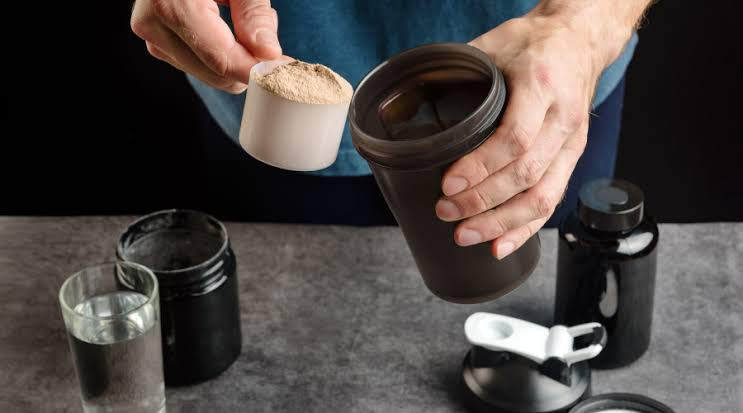
The amount of whey you need depends on how much protein you already eat. Research on people who lift weights commonly points to a daily intake of around 1.6 to 2.2 grams of protein per kilogram of body weight. For a 70 kg person, that works out to roughly 112 to 154 grams of protein per day from all sources combined.
Whey is there to fill the gap between that target and what your meals provide. Follow these steps:
- Estimate your daily protein target using your body weight.
- Add up the protein from your regular meals, such as eggs, chicken, daal, yogurt, milk, and roti.
- Use whey to cover the shortfall, usually one or two scoops per day.
A single serving of 20 to 40 grams of protein is a practical range per shake. Smaller individuals can stay near the lower end, while larger or older lifters may benefit from the higher end. Taking far more than this in one sitting is unlikely to add extra benefit.
When to Take Whey Protein
Total daily protein matters more than exact timing. That said, sensible timing makes it easier to hit your target and may help recovery.
After Your Workout
A shake within a couple of hours after training is the most popular approach. Muscles are receptive to amino acids after resistance exercise, and a fast digesting protein is convenient when a full meal is not available. You do not need to rush to drink it within minutes of your last set.
In the Morning
After a night without food, a whey shake with breakfast is an easy way to raise protein intake early in the day. This helps people whose usual breakfast of paratha and chai is low in protein.
Between Meals
Spreading protein across three to five feedings, each with a meaningful dose, may support muscle protein synthesis better than eating most of it at dinner. A shake in the late afternoon can cover a long gap between lunch and dinner.
On Rest Days
Recovery continues for 24 to 48 hours after a hard session, so your protein needs do not drop on rest days. Keep your intake steady, with or without a shake, depending on what your meals provide.
How to Mix and Take It
Add 200 to 300 ml of liquid to a shaker, then add one scoop and shake for 20 to 30 seconds. Putting liquid in first helps prevent clumps.
- Water: The lightest option, with the fastest digestion and no extra calories. A good choice after training or during a cut.
- Milk: Adds protein, calories, and a creamier taste. A good choice for people trying to gain weight.
- Smoothies: Blend with banana, oats, dates, or peanut butter for a higher calorie shake that works as a small meal.
Whey can also be stirred into oats or yogurt. Avoid adding it to boiling liquids, because high heat can make the texture grainy.
Pairing Whey With Training and Food
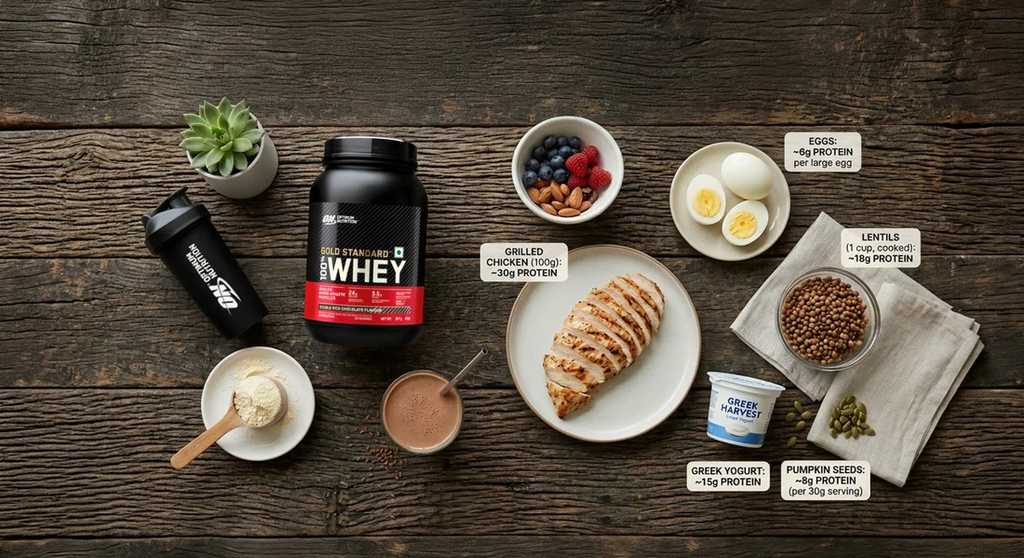
Whey supports results only when the basics are covered. Keep these points in mind:
- Train with progressive overload, which means gradually adding weight, reps, or sets over time.
- Eat enough total calories. Muscle gain is difficult in a large calorie deficit.
- Include carbohydrates after training, such as rice, roti, or fruit, to help refill muscle glycogen.
- Drink enough water, especially in hot weather and during long sessions.
- Sleep seven to nine hours per night, since much of the repair work happens during sleep.
Whey should add to whole foods, not replace them. Meals provide fibre, vitamins, and minerals that a protein powder does not.
Common Mistakes to Avoid
- Treating shakes as meals: Replacing lunch or dinner with a shake often leaves you short on calories and nutrients.
- Ignoring total protein: One scoop will not help much if the rest of your diet is low in protein.
- Taking too many scoops: Extra scoops raise cost and may cause stomach discomfort without clear added benefit.
- Buying on price alone: A very cheap tub may be fake or under dosed. Compare cost per serving and protein per scoop, and confirm the product is authentic.
- Expecting quick results: Visible changes usually take several weeks of consistent training and eating.
Safety and Who Should Be Careful
Whey protein is generally well tolerated by healthy adults when used at normal serving sizes. Some people experience bloating or gas, particularly with concentrate, because of its lactose content. Switching to an isolate or reducing the serving size may help.
People with a milk allergy should avoid whey. Anyone with kidney or liver disease, and women who are pregnant or breastfeeding, should speak to a doctor before using protein supplements. Teenagers should focus on food first and seek guidance from a qualified professional.
Final Thoughts
Using whey protein well is simple. Work out your daily protein target, see how much your meals already provide, and use one or two shakes to cover the difference. Take one after training or at a time of day when your meals are low in protein, and keep your intake steady on rest days. Combined with structured training, enough calories, and proper sleep, whey protein can support muscle growth and help you recover between sessions.
Frequently Asked Questions
How many scoops of whey protein should I take per day?
Most people do well with one or two scoops per day. The right number depends on your body weight and how much protein your regular meals already provide across the day.
Is it better to take whey protein before or after a workout?
Both can work. Total daily protein matters most. Many people prefer a shake after training because it is convenient and supplies fast digesting amino acids when muscles are receptive to them.
Can I take whey protein with milk instead of water?
Yes. Milk adds extra protein and calories, which may help people who want to gain weight. Water is lighter, digests faster, and suits those who are watching their calorie intake.
Should I take whey protein on rest days?
Yes, if your meals do not meet your protein target. Muscle repair continues for one to two days after training, so steady protein intake on rest days supports recovery.
Can beginners use whey protein?
Yes. Healthy adult beginners can use whey to help reach their daily protein needs. Start with one scoop per day, focus on consistent training, and build your diet around whole foods.
